Yellow tea is a type of tea produced when the leaves turn yellow due to insufficient or untimely drying after fixation and rolling. Classified into Huang Xiao Cha (small leaf yellow tea) and Huang Da Cha (large leaf yellow tea) based on leaf tenderness, it has a long production history and was a tribute tea in the Tang Dynasty, belonging to one of the six major tea categories. The processing method of yellow tea is similar to green tea, involving the following steps: fixation of fresh leaves, rolling, yellowing (menhuang), and drying.
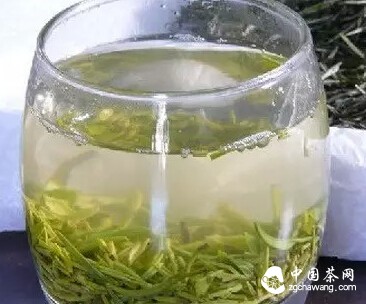
1. Protect the spleen and stomach, improve appetite, and aid digestion.
As yellow tea is a fermented tea, the fermentation process produces a large amount of digestive enzymes, which are highly beneficial for the spleen and stomach. It can help with indigestion, poor appetite, lethargy, and obesity.
2. Yellow tea can penetrate fat cells, allowing them to restore metabolic function under the action of digestive enzymes and break down fat. Yellow tea can penetrate fat cells, allowing them to restore metabolic function under the action of digestive enzymes and break down fat.
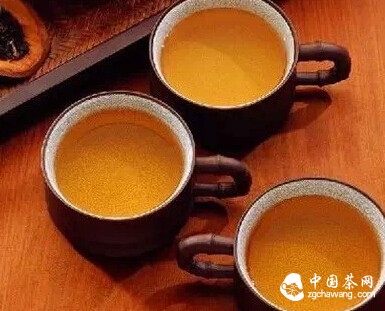
3. Yellow tea is rich in nutrients such as tea polyphenols, amino acids, soluble sugars, and vitamins, which have significant effects in preventing esophageal cancer. Additionally, yellow tea retains over 85% of the natural substances from fresh leaves, which have unique effects in preventing cancer, fighting cancer, sterilizing, and reducing inflammation, surpassing other teas.