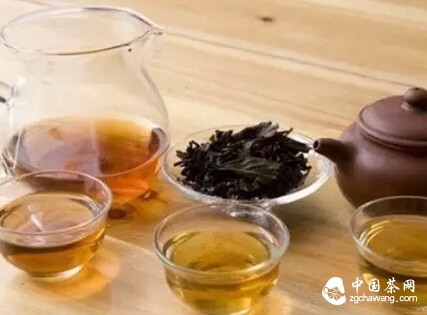
The ancients were very particular about the water used for brewing tea, even considering "fine spring water with excellent tea" as one of "life's pure pleasures." However, while famous teas were hard to come by, good water was even more difficult to obtain. Zhang Dafu noted in Plum Blossom Cottage Essays: "It is not easy for the poor to obtain tea, and even harder to get good water." Therefore, the ancients devised solutions and compromises, not only trying to preserve water quality but also striving to improve it. Among the more common methods were the concepts of "water washing" and "water nurturing."
Water Washing
While mountain spring water is ideal for brewing tea, water from famous springs was not easily accessible. Thus, the ancients believed that even ordinary water or spring water of degraded quality could be used for tea if "washed" properly. "Water washing" refers to purifying water, essentially enhancing its quality.
The "stone washing method" involved filtering water through stones before use.
The "charcoal washing method" utilized dry soil and charcoal, which have adsorbent properties to remove impurities like dust from the water. This method can be seen as a precursor to modern water filters.
The "water stirring method" was invented by Emperor Qianlong. An avid tea drinker, he would transport Jade Spring water when traveling, but over time, the water quality would deteriorate. He devised a "water washing method": "Store water in a large vessel, mark the water level, and stir it with other water. Once the stirring stops, the impurities settle at the bottom, leaving the upper water clear..." While this method may not seem scientifically sound today, it reflects Emperor Qianlong's fastidiousness about water for tea brewing.
Water Nurturing
In ancient times, transportation was inconvenient, and it was said that "drawing water from afar inevitably loses its original flavor." To prevent the taste and quality of water from deteriorating, ancient tea experts came up with the method of "nurturing water with stones." "Nurturing water with stones" aimed to preserve the taste and quality of spring water, while boiling water with stones added a serene and elegant charm to the tea-making process.
For water from famous springs, the ancients used "nurturing water with stones" to maintain its quality. However, such water was rare and hard to obtain, as noted: "For households, it is difficult to acquire spring water." The ancients also experimented with other "water nurturing" methods to make ordinary water achieve the effects of famous spring water for brewing tea, such as "nurturing water with dew." Zhu Guozhen of the Ming Dynasty, due to the scarcity of spring water, would boil daily water, pour it into a large porcelain jar, and "expose the jar to dew" at night. After "nurturing" the water this way for three days, it was said to "brew tea no differently from Hui Spring water."
The ancients went to great lengths and spared no effort to obtain suitable water for brewing tea. However, some methods may not seem feasible today. Did Emperor Qianlong's "water washing" truly purify the water? Perhaps only heaven knows. In fact, the ancients' practices of "water washing" and "water nurturing" were not only about removing impurities and preserving water flavor but also served as a way to cultivate their character, enhance aesthetic appreciation, and increase the joy of tea drinking.