1. Do not drink tea before meals. Tea stimulates saliva secretion. Drinking tea before a meal can dull your sense of taste, not only affecting the appreciation of aroma but also hindering digestion and nutrient absorption. Moreover, drinking tea before a meal may irritate the stomach. Those with stomach issues should stop drinking tea at least half an hour before eating.
2. Tea after meals. Drinking tea immediately after a meal can reduce iron absorption. If the food contains phosphorus and calcium, these may combine with oxalate ions in the tea, making them difficult to excrete and potentially leading to stones. It is best to drink tea at least half an hour after a meal to aid digestion.
3. Drinking tea on an empty stomach: beware of "tea drunkenness." Drinking tea on an empty stomach dilutes gastric juices and reduces their secretion. Tea soup is weakly acidic with a pH between 5 and 6, while gastric acid is much stronger. Some alkaline substances in tea can be neutralized and reduced. Tea's cold nature can chill the stomach and spleen, potentially causing palpitations, irritability, dizziness, and tremors—commonly known as tea drunkenness.
4. Do not drink scalding hot tea. Excessively hot tea strongly irritates the throat, esophagus, and stomach. Long-term consumption of overly hot tea can easily damage the stomach lining and cause organ lesions. The temperature of tea should preferably not exceed 70°C, with around 50°C being most suitable.
5. Do not drink cold tea for clear-mindedness and refreshment. Cold tea lacks aroma and presents a bitter, astringent taste. Moreover, cold tea must have been left for an hour or two, during which oxidation occurs. Drinking cold tea can have a stagnating and chilling effect on the body, potentially causing side effects like coughing and phlegm accumulation.
6. Do not take medicine with tea to avoid affecting efficacy. Different types of tea leaves contain dozens to hundreds of chemical components. When brewed into tea soup, further chemical reactions occur. If medicine is taken with tea, the various drugs for different illnesses mix with the tea soup, causing further changes and reducing the original drug's effectiveness.
7. Do not drink tea that has been steeped too many times. After the first steeping, tea leaves typically release about 55% of their total soluble substances; the second steeping about 30%; the third about 10%; and the fourth only 1% to 3%. For vitamin C and amino acids in tea, about 80% are extracted in the first steeping, over 95% by the second, and essentially fully extracted after three steepings. By the fourth steeping, little nutritional value remains.
8. Do not drink overnight tea. Overnight tea has been left for too long. Proteins, sugars, and other components in the tea become nutrients for bacterial and mold growth. The tea soup easily deteriorates, with poor aroma and taste, making drinking overnight tea clearly unreasonable.
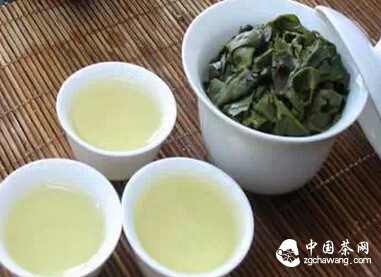
9. Do not drink tea steeped for too long. If tea leaves are steeped for too long, caffeine, theophylline, and various polyphenolic compounds are all extracted, inevitably resulting in strong tea. Moreover, tea steeped too long loses its fragrance, and the content of vitamin C, amino acids, etc., in the tea soup decreases, reducing its nutritional value.
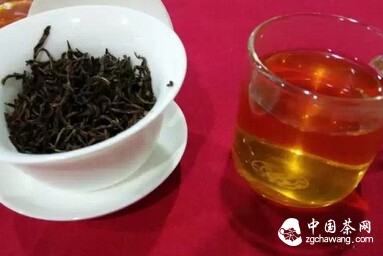
10. Do not drink overly strong tea. Strong tea contains high levels of caffeine and other substances, which are highly stimulating and can easily harm the stomach and kidneys. It may also cause over-excitement, leading to insomnia, headaches, and other issues. This is especially unsuitable for people with hypertension, stomach problems, anemia, heart disease, etc.