Sweetness, bitterness, astringency, sourness, wateriness, and tastelessness are several flavors commonly found in Pu-erh tea. These tastes may exist alone in a particular brew of Pu-erh tea or coexist in combination. Sweetness is what Pu-erh tea drinkers dream of, while bitterness and astringency are inherent characteristics of tea leaves. Many experienced tea drinkers, in particular, appreciate an appropriate level of bitterness and astringency. Sourness and wateriness, however, are the least favored, so it is crucial to avoid these flavors. As for tastelessness, if tea has no flavor, it can hardly be called tea!
Sweetness is not only loved by children but also by adults. However, the cloying sweetness of thick syrup often makes people both love and fear it. In contrast, the subtle sweetness in tea is so elegant that it satisfies the craving for sweetness while, due to its mildness, posing no harm to health. The sweetness of Pu-erh tea has thus been elevated to an artistic realm.
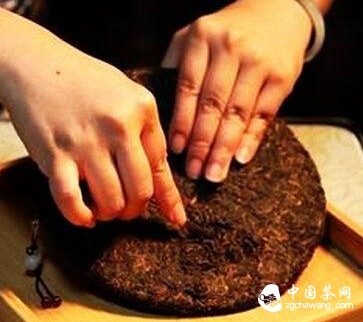
Pu-erh tea is made from large-leaf tea varieties, which have relatively saturated and robust components. After long-term aging, the bitter and astringent flavors gradually diminish due to oxidation, while the sugar content remains in the leaves. Upon brewing, these sugars are slowly released into the tea, imparting a sweet taste.
In high-quality Pu-erh tea, the sweetness becomes increasingly pronounced with later infusions. Among Pu-erh teas, Honglian Round Tea and Round Tea Iron Cake are made from the same batch of raw material but using different processing methods. Both teas exhibit a honey-like sweetness, making them exceptional examples of Pu-erh tea.
Bitterness is the original taste of tea. In ancient times, tea was called "bitter tea." The earliest wild tea had a tea soup so bitter it was almost undrinkable. Through long-term cultivation by our ancestors, wild tea gradually transitioned into the cultivated tea plants we have today. The once unbearable bitterness evolved into a mild bitter taste appreciated by tea drinkers and later even became a metaphor for reflecting on the sweetness and bitterness of life. This indeed marks a significant evolution in the realm of Pu-erh tea.
The bitterness in Pu-erh tea comes from its "caffeine" content. The reason tea can refresh and awaken the mind is precisely because this caffeine stimulates the human nervous system. True appreciation of Pu-erh tea is not about seeking mental alertness through bitterness but rather savoring its sweetness through the lingering aftertaste. Pu-erh teas made from relatively tender leaves often carry bitterness. The handling of this bitterness is typically managed through brewing techniques.
It is often said that tea without bitterness and astringency is not tea, but in reality, overly aged teas may lose these characteristics entirely.
The astringent sensation in tea is due to its "tannin" content. Pu-erh tea is made from large-leaf tea buds, which contain higher levels of "tannins" compared to ordinary teas. Therefore, new raw Pu-erh tea is particularly robust, with a notably strong astringent taste. A moderate level of astringency is acceptable to tea drinkers, as it causes a tightening sensation in the muscles of the mouth. However, excessive astringency can overshadow the true flavor of Pu-erh. Thus, authentic Pu-erh tea should have a balanced astringency, and it is generally advised not to drink tea that is too raw.