Drinking tea is beneficial for moistening the lungs, and some teas have particularly good lung-nourishing effects. So, what teas are good for the lungs? Many tea drinks have the function of nourishing and moistening the lungs. Today, the editor will introduce what teas are good for the lungs—don't miss these!
What teas are good for the lungs?
1. Violet Tea
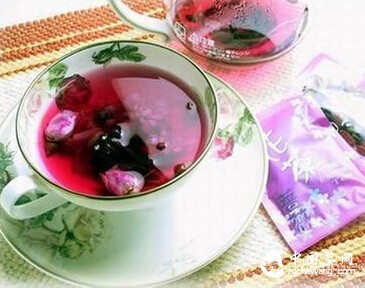
Violet maintains the upper respiratory tract, helps treat respiratory system diseases, alleviates cold and flu symptoms, expels phlegm, relieves cough, moistens the lungs, and reduces inflammation. Violet soothes the throat and aids in treating respiratory organ diseases, such as colds, flu, and coughs. It can also solve hangover problems, eliminate fatigue, and address bad breath caused by tooth decay.
2. Poria, Lotus Root, and Lily Tea
30g fresh lotus root, 15g Chinese yam, 10g each of lily bulb and poria, 5 red dates, and an appropriate amount of rock sugar. Slice the fresh lotus root, remove the pits from the red dates, and cook all ingredients together until a thin paste forms. Nourishes the spleen and lungs, relieves cough, and stops bleeding.
3. Si Bao Tea (Four Treasures Tea)
Steep 10g Ophiopogon japonicus (Maidong), 6g Platycodon grandiflorus (Jiegeng), 10g honeysuckle, and 3g Oroxyli Semen (Muhudie) in water. It can clear and moisten the lungs and throat, promote fluid production, and benefit the throat. This type of tea is relatively mild in nature, has no obvious side effects, and has no absolute contraindications for any group of people.
4. Shengjin Tea (Fluid-Producing Tea)
10g each of Pseudostellariae Radix (Taizishen), Ophiopogon japonicus (Maidong), and Fragrant Solomonseal Rhizome (Yuzhu), with an appropriate amount of rock sugar. Wash the above ingredients, add an appropriate amount of water to decoct, and add rock sugar after boiling. Nourishes the lungs and heart. Suitable for those with lung deficiency cough, palpitations, thirst, and excessive sweating.
5. Mulberry Leaf and Loquat Leaf Tea
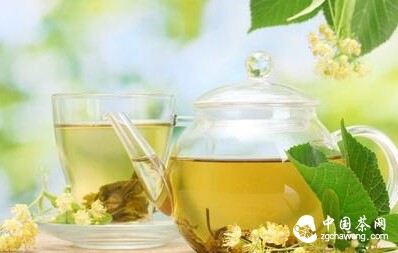
For frequent dry coughs and mild constipation, take 5g each of mulberry leaves and loquat leaves. First, put the herbs into a tea bag, steep in 500ml of hot water for about 10 minutes, then add an appropriate amount of honey to taste before drinking. Mulberry leaves moisten the lungs and relieve coughs; loquat leaves clear the lungs, resolve phlegm, and relieve coughs; honey moistens dryness and improves constipation.
6. Tremella (White Fungus) Tea
This tea has the effects of nourishing yin, reducing fire, moistening the lungs, and relieving coughs. It is especially suitable for yin deficiency coughs. You can use 20g tremella, 5g tea leaves, and 20g rock sugar. First, stew the tremella with water and rock sugar until cooked, then steep the tea leaves for 5 minutes and add them to the tremella soup. Mix well and consume.
7. Radish Tea
100g white radish, 5g tea leaves, and a small amount of salt. First, wash and slice the white radish, cook until soft, season with a little salt (do not use MSG). Then, steep the tea leaves for 5 minutes and pour the tea into the radish juice. Take twice daily without time restrictions. It has the effects of clearing heat, resolving phlegm, regulating qi, and stimulating appetite. Suitable for cough with excessive phlegm and poor appetite.
8. Tian Dong and Mai Dong Tea
Mai Dong (Ophiopogon japonicus) nourishes yin, promotes fluid production, moistens the lungs, and calms the heart. Used for dry cough due to lung dryness, consumptive cough, thirst due to fluid injury, insomnia due to restlessness, internal heat and thirst, constipation due to intestinal dryness, and diphtheria. This tea has the effects of nourishing yin, promoting fluid production, clearing the lungs, and reducing fire. Take 12g each of Tian Dong (Asparagus cochinchinensis) and Mai Dong, steep in 300ml of hot water for 10 minutes, discard the dregs, and drink the tea.
9. Lily Flower Tea
Lily flowers moisten the lungs, clear fire, and calm the mind. Effective for coughs and restless sleep.
10. Osmanthus Green Tea
Osmanthus can nourish health and moisten the lungs, has a whitening and moisturizing effect on the skin, and its fragrance can purify the body and mind, balancing the nervous system. Osmanthus paired with green tea can eliminate fatigue, relieve bad breath, and protect eye health.
11. Lemongrass Tea
Lemongrass has the effects of resolving phlegm, relieving cough, regulating qi, stimulating appetite, treating cough and asthma, abdominal distension, stopping diarrhea, relieving summer heat, calming the fetus, nourishing yin and blood, treating hypertension, dizziness, etc.
12. Fragrant Solomonseal Rhizome (Yuzhu) and Rock Sugar Tea
This tea has the effects of nourishing yin, promoting fluid production, moistening the throat, and benefiting the lungs. Take 15g Yuzhu, add an appropriate amount of rock sugar, pour boiling water, cover and steep for 15 minutes, stir with chopsticks, and then drink.
13. Adenophora (Shashen) and Red Date Tea
Adenophora, also known as Nanshashen, Paoshen, Paoshashen, clears heat, nourishes yin, moistens the lungs, and relieves coughs. Indicated for bronchitis, whooping cough, cough due to lung heat, and expectoration of yellow, thick phlegm. This tea has the effect of nourishing yin and promoting fluid production. Take 15g Adenophora and 5 red dates, add boiling water, cover and steep for 15 minutes, then drink.
14. Monk Fruit Tea

Monk fruit is sweet and cool, can clear the lungs and relieve cough, moisten the intestines, and promote bowel movements. Take 5~8g monk fruit, remove the shell and break it apart, steep in boiling water, let cool, and drink. It has the effects of clearing heat, detoxifying, resolving phlegm, relieving cough, nourishing the voice, and moistening the lungs. Note that monk fruit is cold in nature; those with poor gastrointestinal health should not use it excessively.