When drinking tea, it's important to note that certain foods should not be paired with it, as they can cause unnecessary harm to the body.
1. Tea and Alcohol
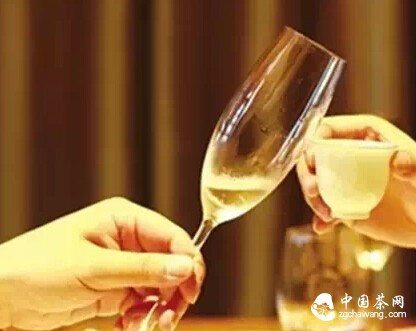
Many people enjoy drinking tea after alcohol, hoping to achieve effects such as moistening dryness, relieving intoxication, aiding digestion, and regulating fluid metabolism. However, this can be harmful to the kidneys. Drinking tea after alcohol causes theophylline to have a diuretic effect. At this time, acetaldehyde converted from alcohol has not yet fully decomposed and enters the kidneys due to the diuretic effect of theophylline. Acetaldehyde is highly irritating to the kidneys, which can easily impair kidney function.
Additionally, alcohol strongly stimulates the cardiovascular system, while strong tea also excites the heart. Drinking tea after alcohol subjects the heart to dual stimulation, increasing excitability and further burdening the heart. This is particularly unsuitable for those with poor heart function.
2. Tea and Eggs
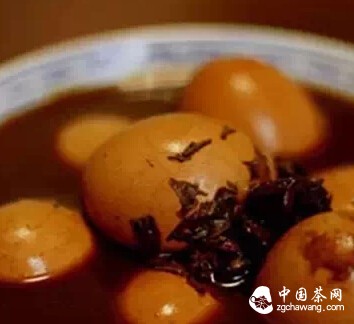
Boiling eggs in tea results in a high concentration of tea. Strong tea contains a significant amount of tannic acid, which can coagulate proteins in food into substances that are difficult to digest, affecting the body's absorption and utilization of protein. Eggs are high-protein foods, so it is not advisable to boil eggs in tea for consumption.
3. Tea and Sugar
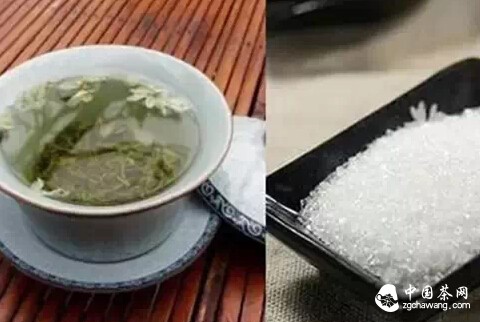
Tea has a bitter taste and cold nature. The purpose of drinking tea is to use its bitterness to stimulate the digestive glands, promote the secretion of digestive juices, and enhance digestive function. Additionally, tea's cold nature helps achieve heat-clearing and detoxifying effects. Adding sugar to tea can inhibit these functions. Although ancient texts contain folk remedies combining tea with sugar for therapeutic purposes, this is suitable as a dietary therapy but not for regular tea drinking.
4. Tea and Mutton

While eating mutton regularly is highly beneficial for the body, pairing mutton with tea can cause the rich protein in mutton to combine with tannic acid in tea, forming a substance called carbonate protein. This substance has a certain constipating effect on the intestines, weakening intestinal peristalsis and reducing moisture in stool, which can easily lead to constipation. Therefore, it is not advisable to drink tea while eating mutton. It is also best not to drink tea immediately after eating mutton; wait 2–3 hours before drinking tea.
5. Tea and Medicine
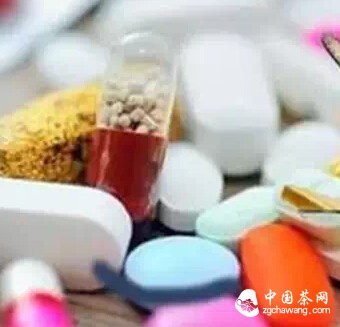
Tannic acid in tea can chemically react with certain medications (such as ferrous sulfate tablets, ferric ammonium citrate, berberine, etc.), forming precipitates that affect drug absorption. If tea is used to take sedatives (such as phenobarbital, diazepam, etc.), the caffeine and theophylline in tea, as stimulants, can counteract or weaken the sedative effects of the drugs. Since there are many types of medications and it is difficult to keep track, it is safest to take all medicines with warm water, which is harmless and beneficial.