Dark tea is named for its dark brown color. It is generally made from relatively coarse and mature raw tea leaves through production processes such as fixation, rolling, pile fermentation for color development, and drying. Below are the most representative types of tea in the dark tea category.
The Most Representative Type of Dark Tea I: Liupao Tea
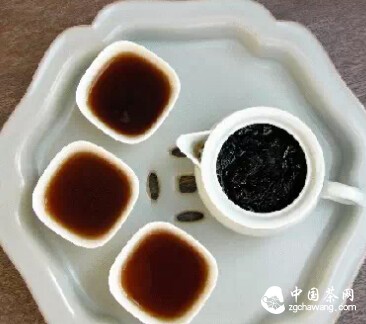
Dark tea—Liupao tea is produced in the Liubao mountain area northwest of Cangwu County, Guangxi Zhuang Autonomous Region. The production of Liupao tea involves steps such as withering fresh leaves, rolling, cutting, pile fermentation, and drying. Its liquor is dark red and thick, with a rich, mellow taste and a betel nut-like aroma. It also has the effects of clearing heat, moistening the lungs, and relieving stagnation and indigestion.
The Most Representative Type of Dark Tea II: Yunnan Pu-erh Tea
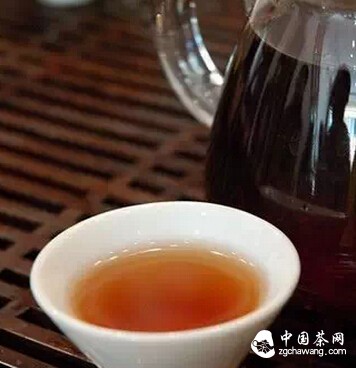
Yunnan Pu-erh tea is produced in the Xishuangbanna Dai Autonomous Prefecture of Yunnan Province. Yunnan Pu-erh tea has a strong fragrance, is durable for multiple infusions, and offers a rich, mellow taste. It also has notable medicinal effects: it is considered excellent for sobering up from alcohol, aiding digestion, resolving phlegm, and promoting stomach health and fluid production.
The Most Representative Type of Dark Tea III: Hunan Dark Tea
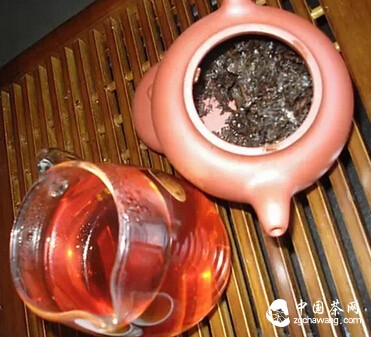
Hunan dark tea was initially produced mainly in Anhua. Its production primarily involves fixation, initial rolling, pile fermentation for color development, re-rolling, and drying. Hunan dark tea has an orange-yellow liquor and yellowish-brown brewed leaves, with a distinctive pine-smoky aroma.
The above are the three most representative types of dark tea.