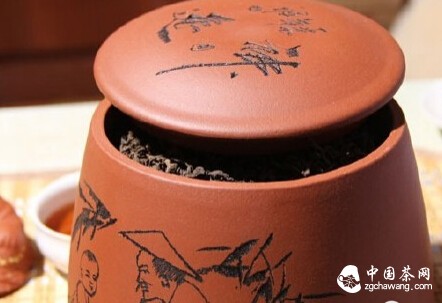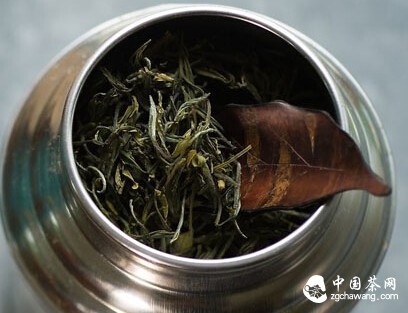
Tea has strong hygroscopic and odor-absorbing characteristics, easily adsorbing moisture and odors from the air. If storage methods are slightly improper, it can lose its flavor and aroma in a short time, with changes in liquor color, taste, and appearance. Reducing storage temperature, maintaining appropriate moisture content in tea, blocking contact with oxygen, and preventing direct sunlight can all slow down tea deterioration.
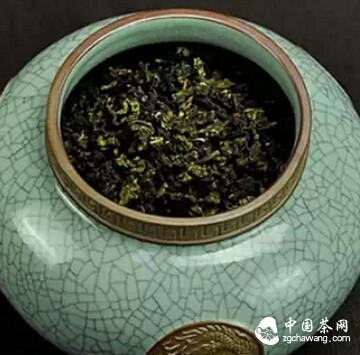
Tea purchased by households is mostly canned or loose-leaf. Since it is not consumed all at once, plastic bags can be used for storage. It is best to choose food-grade plastic bags with zippers, preferably made of thicker, high-density material. Avoid using bags with odors or recycled plastic. After placing tea inside, squeeze out as much air as possible; using a second bag reversed over the first is even better. Transparent plastic bags should not be exposed to sunlight after filling.
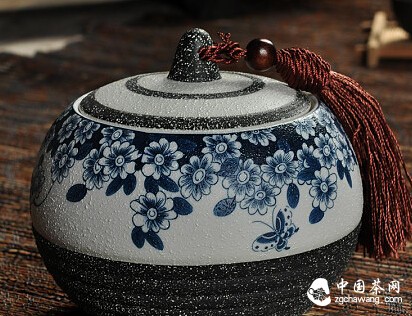
Additionally, divide purchased tea into small bags, seal them, and store them in the refrigerator, then brew in batches. This reduces the tea's exposure to air after opening and delays quality degradation. Metal cans can also be used for storage. Options include iron cans, stainless steel cans, or tightly sealed tin cans. If using a new can or one that previously held other items with residual odors, place a small amount of tea leaves inside, swirl, and discard to remove odors. Metal cans containing tea should be kept in a cool place, away from direct sunlight, odors, humidity, and heat sources.