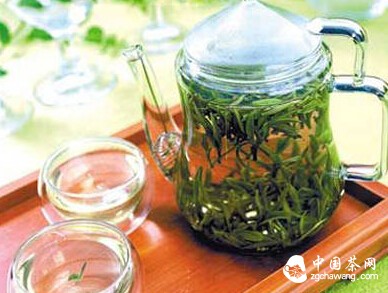
As is well known, China has had the custom of drinking tea since ancient times, and tea leaves offer many benefits. Tea contains over 600 chemical components, which not only have the effects of health preservation, wellness, beauty, and weight loss but can also prevent and treat certain diseases, reducing the physical ailments our bodies endure. However, many people have misconceptions about tea, which can pose certain health risks, especially for the elderly. Drinking tea must follow the four principles of "early, little, light, and warm" to ensure good health without causing adverse effects on the body.
Early: Drinking tea in the morning is optimal. After a day and night of metabolism, the body consumes a significant amount of water, and blood concentration is high. Drinking a cup of light tea not only replenishes fluids but also dilutes the blood and prevents damage to the gastric mucosa. Especially for the elderly, drinking a cup of light tea after waking up is highly beneficial for health. Since the caffeine abundant in tea has a stimulating effect that lasts for some time, drinking tea in the afternoon or evening may cause insomnia, adversely affecting health. This is particularly true for freshly picked green tea, which has a strong stimulating effect.
Little: Drinking tea in small amounts is best. A large volume of liquid entering the bloodstream increases the heart's burden. Additionally, caffeine and theophylline in tea are stimulants that can accelerate heart rate and raise blood pressure. Excessive tea consumption may lead to symptoms such as chest tightness and palpitations, potentially causing conditions like heart failure. Moreover, drinking large amounts of tea dilutes gastric juices, reducing their concentration and leading to indigestion, bloating, and abdominal pain. Elderly individuals with duodenal ulcers, in particular, must drink tea in moderation.
Light: Drinking light, weak tea is optimal. Tea contains tannic acid, which can react with iron in food to form new, difficult-to-dissolve compounds. When a person drinks large amounts of strong tea, the binding of tannic acid with iron becomes more active, hindering the body's absorption of iron. In the elderly, this can manifest as iron deficiency anemia. Additionally, tannic acid can combine with proteins in food to form tannin-protein complexes, which are hard to digest and absorb. This is especially problematic for elderly individuals with constipation, as it can worsen symptoms and impact their overall health.
Warm: Drinking warm tea is best. Relevant experiments have shown that drinking warm tea can reduce the body's "internal heat" due to the cooling nature of tea, which is then excreted through urine. Avoid drinking cold tea or overly hot tea. Cold tea not only fails to clear heat and resolve phlegm but can also harm the spleen and stomach and lead to phlegm accumulation. Drinking tea that is too hot or scalding can strongly irritate the throat, esophagus, and stomach, potentially causing mucosal lesions in these organs.
Friendly reminder: Tea enthusiasts should follow the four principles of "early, little, light, and warm" to enjoy tea with peace of mind and in a healthy manner.