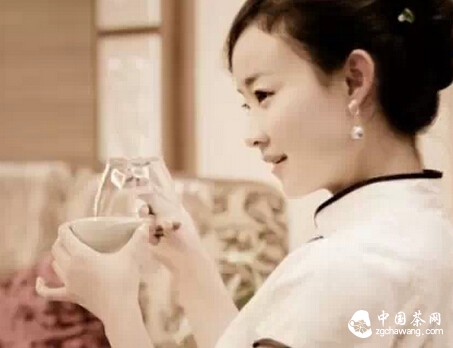
Chinese tea culture has a long history. It is said that Han Chinese began drinking tea during the Shennong era, which dates back at least 4,700 years. As the homeland of tea, China still preserves the folk custom of offering tea as a gift.
Diverse Types of Tea
The Han Chinese have a wide variety of tea preparations: there is smoked bean tea from Taihu, fragrant tea from Suzhou, ginger-salt tea from Hunan, covered-bowl tea from Chengdu, Dongding tea from Taiwan, Longjing tea from Hangzhou, Oolong tea from Fujian, and so on.
The Foundation of Chinese Tea Culture
Planting and drinking tea alone does not constitute tea culture; these are merely prerequisites. The involvement of literati and cultural connotations are essential. Lu Yu's "The Classic of Tea" from the Tang Dynasty systematically summarized the experiences of tea production and consumption up to that time, proposing the tea ceremony spirit of "refined conduct and frugal virtue." Lu Yu, Jiaoran, and other scholars placed great emphasis on the spiritual enjoyment and moral principles of tea, paying attention to tea utensils, water for brewing, and the art of tea preparation. They integrated tea with Confucian, Daoist, and Buddhist philosophies, gradually leading people into their spiritual realm. During tea drinking, scholars and literati also composed many tea poems. In the "Complete Tang Poems" alone, over 400 poems by more than 100 poets have been passed down, laying the foundation for Han Chinese tea culture.
The Spirit of Chinese Tea Culture
Chinese tea culture encompasses the practices of tea making and drinking. As one of the seven daily necessities (firewood, rice, oil, salt, sauce, vinegar, and tea), tea drinking was very common in ancient China. Chinese tea culture differs significantly from that of Europe, America, or Japan. It is extensive and profound, encompassing not only material culture but also deep spiritual civilization. Lu Yu's "The Classic of Tea" heralded the rise of Chinese tea culture in history. Since then, the spirit of tea has permeated the court and society, deeply influencing Chinese poetry, painting, calligraphy, religion, and medicine. Over thousands of years, China has accumulated not only extensive material culture related to tea cultivation and production but also a rich spiritual culture concerning tea—this is the unique Chinese tea culture, belonging to the realm of cultural studies.
The Art of Tea Tasting in Chinese Tea Culture
Chinese people emphasize "appreciation" when drinking tea. "Tea tasting" involves not only discerning the quality of the tea but also engaging in contemplation and savoring the pleasure of drinking. In the midst of a busy schedule, brewing a pot of strong tea, choosing a quiet and elegant spot, and drinking alone can relieve fatigue, clear the mind, and invigorate the spirit. Alternatively, one can sip slowly to achieve aesthetic enjoyment, elevating the spiritual world to a lofty artistic realm. The environment for tea tasting generally consists of buildings, gardens, furnishings, and tea utensils. Tea drinking requires a quiet, fresh, comfortable, and clean setting. Chinese gardens are world-renowned, and scenic landscapes are abundant. Using gardens or natural landscapes, building wooden pavilions and benches, and setting up tea rooms create a poetic and picturesque atmosphere, offering people a pleasant place to rest and evoking a sense of delight.
The Etiquette of Serving Tea to Guests in Chinese Tea Culture
China is an ancient civilization and a land of ceremony and propriety, where etiquette is highly valued. When guests arrive, the rituals of brewing and serving tea are essential. Upon the arrival of visitors, hosts may seek their preferences and use the most suitable tea and finest tea sets to serve them. Blending teas appropriately is also necessary when serving guests. While accompanying guests in drinking tea, the host should pay attention to the remaining tea in the guests' cups or pots. Generally, when using teacups, if half has been consumed, hot water should be added to maintain a consistent tea concentration and suitable temperature. During tea drinking, snacks, candies, or dishes may also be served to adjust the taste and serve as light refreshments.
The extensive and profound Chinese tea culture not only reflects the long humanistic history of the Chinese nation but also embodies its spirit. Brew a pot of fine tea and let it guide you to savor a culture.