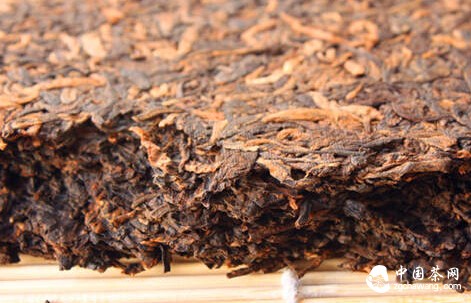
[Difference between Iron Cake and Loose Cake]
The main difference lies in the processing method. Due to different pressing processes, the tea leaves vary in compactness. Generally, iron cake has a granular bottom, while loose cake has a concave bottom. Some tea products pressed into iron cake can better preserve the tea's aroma and are favored by tea enthusiasts. However, there are some tips on how to brew iron cake to fully release its fragrance.
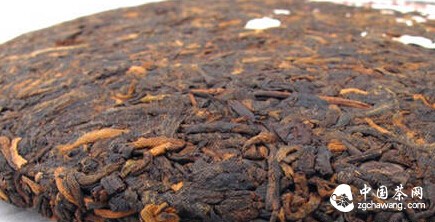
Brewing iron cake shares some commonalities with regular Pu'er tea brewing but also has its differences. Below, we first introduce the concepts of "sealing" and "venting" in Pu'er tea brewing.
Venting refers to opening the lid (or teapot cover) after pouring out the tea soup to quickly lower the temperature and prevent high-temperature steam from damaging the tea.
Sealing refers to keeping the lid on after pouring out the tea soup, or pouring water around the outside of the teapot after adding water, to maintain a relatively high temperature and extract the hidden qualities of the tea.
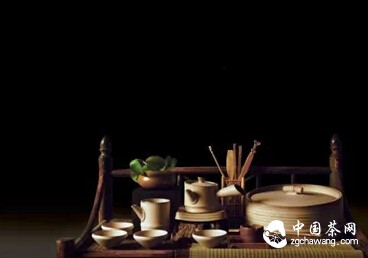
Mastering the techniques of sealing and venting depends on the tenderness and aging of the Pu'er tea. Generally, for new or tender tea, venting is the main method—more venting and less sealing. For aged tea, sealing is the main method—more sealing and less venting. Tender tea leaves are easily cooked by excessive sealing, which can make the aroma hard to release and the tea taste watery. Therefore, brewing should focus on venting, with more venting and less sealing.
Coarse and aged tea leaves have a thick and hard texture, with a strong "coarse aged" flavor. Combining high temperature with sealing and venting methods can achieve a sweet and mellow quality. High-temperature sealing forces out the coarse aged flavor, while venting releases it, preventing it from remaining in the tea leaves, resulting in a sweet, mellow, and smooth taste. Meanwhile, long-aged old tea, after prolonged aging, has concentrated internal substances and requires higher water temperature and heat. Sealing allows the tea's internal substances to be fully released, making the tea soup richer and more complex.
Brewing iron cake requires not only mastering the general sealing and venting techniques (based on tenderness and aging) but also paying close attention to breaking and awakening the tea. If the tea is broken into small pieces, the tea soup may become rough and unbalanced in flavor. However, putting a whole piece in is difficult to brew properly.
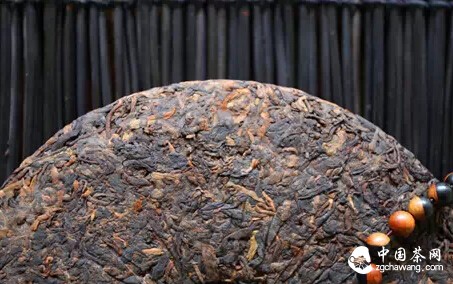
Shuangchen Pu'er recommends breaking iron cake into pieces about the size and thickness of a one-yuan coin. During awakening, pour water and seal for about 30 seconds before pouring out the tea soup. After pouring, observe the unfolding of the tea leaves in the pot to decide whether to slow down the brewing process.