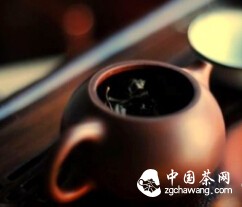
Regarding "washing tea," many people today mistakenly believe it is due to unclean tea leaves, and even some tea enthusiasts explain it this way. In fact, this is not the case. "Washing tea" has been practiced since ancient times. Besides removing dust, it also serves to "moisten and awaken the tea," primarily to better enjoy the tea's aroma and flavor. "Washing tea" is not only a necessary step in tea drinking but also a manifestation of China's five-thousand-year food culture and etiquette during tea consumption, embodying the spiritual connotation, cultural heritage, and refined aesthetic taste of Chinese tea philosophy.
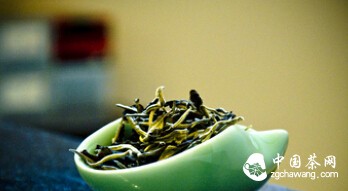
The practice of washing tea originated in the Tang and Song dynasties. However, due to differences in tea processing methods and drinking customs across dynasties, the way washing tea was performed also varied. During the Tang and Song dynasties, fresh tea leaves were first steamed, then pounded into a paste, and formed into cakes for boiling and drinking. After the Ming dynasty, tea processing underwent significant changes: steamed tea cakes were replaced by roasted loose-leaf tea. The leaves were no longer steamed and mashed but were instead pan-roasted whole. Tea was no longer boiled but steeped in hot water. Correspondingly, the rituals and forms of tea drinking changed, including the practice of washing tea. During the Tang dynasty, washing tea was not a separate step; it mainly involved removing the foam from the first boil to prevent any undesirable taste from affecting subsequent drinking. Later generations elevated washing tea to an important stage of tea drinking.
Thus, washing tea has two meanings: one is to wash away dust and impurities from the tea leaves; the other is to "awaken and moisten the tea," better revealing the tea's essence and enhancing the flavor of the infusion.