Eight Major Tea Myths and Claims of Incompatibility with Certain Foods: Are They True?
The so-called “after tea and rice” or “daily necessities including tea” shows that tea has always been an essential part of people's lives. Tea can cultivate character and陶冶情操; it can refresh the mind and eliminate fatigue; it can also accelerate the body's metabolism and help prevent obesity and stones. However, in daily tea drinking, there are still some often overlooked aspects worth our attention.
Myth: The “returning sweetness” of tea is due to bitterness giving way to sweetness
Claim: The “returning sweetness” when drinking tea is because bitter substances numb our bitter taste receptors, thereby promoting the perception of a sweet aftertaste.
Truth: The “returning sweetness” of tea is because it naturally contains sugars or amino acids. The tongue is more sensitive to bitterness, so we first taste the bitter substances, and then perceive the sweetness.
Argument: “Bitterness ends, sweetness comes” is a well-known idiom, seemingly implying that sweetness arises from bitterness, but the truth may not be so.
Generally, when we drink tea, we first taste bitterness due to substances like theanine and tea polyphenols. So, do these bitter substances numb our bitter taste receptors, thereby prompting us to perceive sweetness? (This is a common belief) Not so fast! Try taking a bitter medicine like quinine, and you will find that your mouth remains bitter forever.
In fact, tea itself contains sweet substances—sugars and amino acids. It is just that our tongues are more sensitive to bitterness, so we taste theanine and tea polyphenols first, and only later perceive the sweetness. This is the true source of “returning sweetness.”
Additionally, drinking tea also promotes salivation, i.e., increasing saliva flow.
Tea polyphenols also have an astringent taste alongside bitterness. A family of proline-rich proteins (PRPs) has been found in human saliva, which provides moistening and lubrication. However, tea polyphenols can alter their properties, forming complexes that cause the oral epithelium to feel a loss of lubrication—i.e., astringency.
This astringency, like sourness, can accelerate saliva flow, giving us the sensation of “promoting salivation.”
Truth: Taking medicine with tea water can reduce its efficacy
Claim: Do not take medicine with tea water, as it will neutralize the drug's effects and make treatment ineffective.
Truth: Polyphenols and tannin-like substances in tea may form precipitates with drug components, reducing efficacy. Medicine should be taken with plain warm water.
Argument: In most cases, taking medicine with tea is not recommended, especially for Western medicines containing iron agents such as ferrous sulfate, ferrous carbonate, iron citrate, and aluminum agents like aluminum hydroxide. Metal ions can combine with tea polyphenols in the infusion and precipitate, reducing or losing efficacy.
Some Chinese herbal medicines, such as Ephedra, Coptis, Uncaria, Scutellaria, Ginseng, and their corresponding alkaloid preparations, as well as drugs like Atropine and Aspirin, should generally not be mixed with tea water. Otherwise, the active ingredients of Chinese medicines like ephedrine may be precipitated by tannic acid in tea, losing efficacy.
When taking enzyme preparations such as protease and amylase, it is also not advisable to drink tea, as tea polyphenols can bind with enzymes, reducing their activity. Additionally, tea contains caffeine (also known as “caffeine” or “theine”), which has a stimulating effect. Therefore, sedatives, hypnotics, and cough medicines should not be taken with tea water to avoid conflict and reduced efficacy.
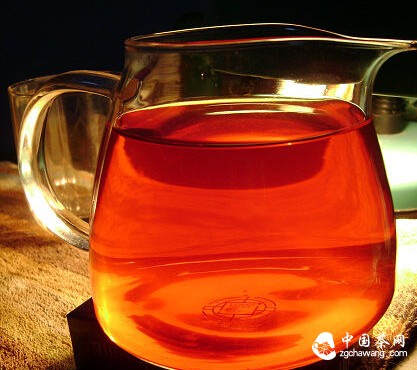
Myth: Drinking overnight tea can cause cancer
Claim: Tea is a very healthy beverage. However, people often say, “Overnight tea is poisonous like a snake,” so many people prefer to drink freshly brewed tea and discard leftover tea from the previous day. Recently, a netizen posted: “Tea left for a long time can spoil and produce large amounts of nitrite, which is harmful to the body, so overnight tea should not be consumed.” Is overnight tea really harmful to humans?
Truth: The main change in overnight tea is that tea polyphenols are oxidized to form more pigments, making the tea appear darker. Some flavor compounds, such as amino acids, are oxidized, losing their fresh taste. If there is no external microbial contamination, it is safe.
Argument: The CCTV program “Is It True?” investigated this claim and concluded that overnight tea is safe and drinkable.
First, an experiment was conducted to verify the truth. Reporters selected three common teas: Longjing, Pu'er, and Chrysanthemum tea. At 9 a.m. on the first day, they brewed these teas and left them out. At 9 p.m. that evening, they brewed three more cups and left them. At 9 a.m. the next day, they brewed another three fresh cups. The tea brewed at 9 a.m. the previous day had been left for 24 hours, while the tea brewed at 9 p.m. the previous evening had been left for over 12 hours. How different were these overnight teas from the freshly brewed ones?
The verification team invited national senior tea master Lou Guozhu to evaluate the taste of the overnight teas professionally. Mr. Lou compared the taste and flavor and determined that neither the 12-hour nor 24-hour overnight teas had gone bad. “Although it has been steeped for a long time, it still retains the original flavor of the tea. For Pu'er, which emphasizes richness and mellowness, overnight tea might even be better.”
National senior tea master Lou Guozhu stated: “Compared to a cup of plain water left overnight, the nitrite content in tea water is even lower. This is because tea contains a large component called tea polyphenols, as well as some vitamins, which help inhibit the formation of nitrite. It is a natural antioxidant.”
Overnight tea: It has been proven safe and drinkable. As for how to drink tea healthily, experts suggest: “Drinking tea on an empty stomach is more irritating to the stomach, so avoid drinking cold overnight tea on an empty stomach. Adding a little warm water or warming the tea before consumption can be beneficial to the body.”
Truth: Drinking tea can reduce mortality
Claim: Professor Nicolas Danchin from France presented a study involving 131,000 people at the European Society of Cardiology Congress on August 31. The study revealed that drinking tea can reduce non-cardiovascular mortality by 24%.
Truth: Survey results show that coffee drinkers have a higher risk of cardiovascular disease than tea drinkers, while tea drinkers are generally in better health. The main reason is that tea contains antioxidants such as flavonoids, which help prevent cardiovascular disease.
Argument: Both coffee and tea are important parts of our lives. Their effects on cardiovascular (CV) health have been studied in the past, sometimes with conflicting results.
Professor Danchin's study included 131,401 individuals aged 18 to 95 who had undergone medical examinations at the Preventive Medicine Center of the Paris Institute of Psychology and Liberal Studies between January 2001 and December 2008. Over an average follow-up of 3.5 years, there were 95 cardiovascular deaths and 632 non-cardiovascular deaths. Coffee or tea consumption was classified into three levels on a self-administered questionnaire: none, 1–4 cups per day, and more than 4 cups per day.
Researchers found that coffee drinkers had a higher risk of cardiovascular disease than non-drinkers, especially smokers. Among non-drinkers, 17% were current smokers, while among those consuming 1–4 cups per day and more than 4 cups per day, the figures were 31% and 57%, respectively.
Non-coffee drinkers were more physically active, with 45% having a high level of physical activity, compared to only 41% of heavy coffee drinkers. Professor Danchin said: “This is a significant difference in our large sample.”
Heavy coffee drinkers were older than non-drinkers, with an average age of 44 compared to 40. Blood pressure differences were small; after adjusting for age, heavy coffee drinkers had slightly lower systolic blood pressure and slightly higher diastolic blood pressure.
Tea drinkers showed the opposite risk profile: their risk of cardiovascular disease was lower than that of non-drinkers. Among non-drinkers, 34% were current smokers, while for those consuming 1–4 cups per day and more than 4 cups per day, the numbers were 24% and 29%. Physical activity also increased with daily tea consumption, from 43% among moderate drinkers to 46% among heavy drinkers.
Tea had a more significant effect on blood pressure than coffee. After age adjustment, heavy tea drinkers had systolic blood pressure 4–5 mmHg lower and diastolic blood pressure 3 mmHg lower than non-drinkers.
Compared to non-drinkers, coffee tended to increase cardiovascular mortality among heavy drinkers, but the effect was not significant. Coffee significantly increased non-cardiovascular mortality, but this effect disappeared after adjusting for smoking behavior. Professor Danchin said: “The higher mortality trend in coffee drinkers may be largely explained by the fact that many heavy coffee drinkers are also smokers.”
Tea consumption showed a trend toward reducing cardiovascular mortality, but after adjusting for age, sex, and smoking behavior, the reduction was less pronounced. However, tea significantly reduced non-cardiovascular mortality risk, with a hazard ratio of 0.76 for drinkers versus non-drinkers.
He concluded: “The antioxidants in tea may provide survival benefits. Tea drinkers also have healthier lifestyles, so whether it is the tea itself or the personal characteristics reflected by tea drinking that produce better outcomes remains an open question. Setting that question aside, I think you can quite sincerely advise people to drink tea rather than coffee.”
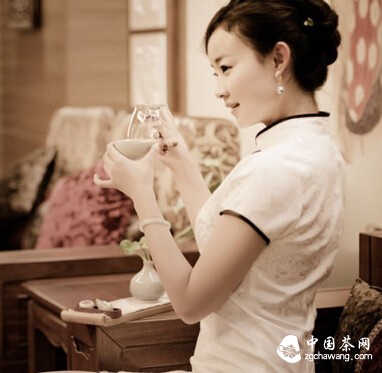
Tea and Sugar
Rumor: Tea is bitter and cold in nature. People drink tea to use its bitter taste to stimulate digestive glands, promote the secretion of digestive juices, and enhance digestive function. Adding sugar to tea would inhibit this effect.
Debunk: The substances that provide “enhanced digestion and heat-clearing detoxification” are effective extractables like theanine and tea polyphenols. Some of these extractables taste bitter, but the effect comes from the substances themselves, not the taste. White sugar does not chemically react with tea extractables to render them ineffective; it merely adds calories to the tea and spoils its original flavor. In traditional Chinese medicine, honey is sometimes used to neutralize the bitterness of herbs.
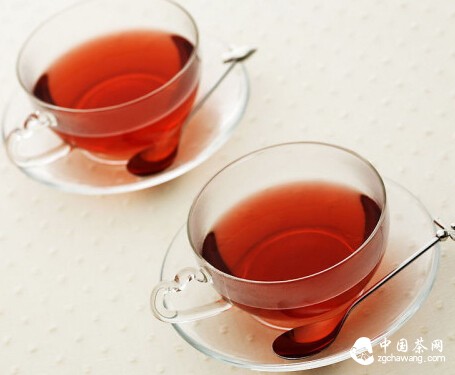
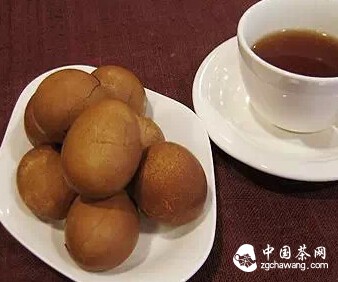
Tea and Eggs
Rumor: Tannic acid in tea water can coagulate proteins in food, forming indigestible substances, thereby affecting the absorption and utilization of protein by the body.
Debunk: There is no evidence that tea eggs are harder to digest than plain boiled eggs. Egg protein coagulates due to heating during cooking; whether tea is added or not does not affect coagulation. The human body can absorb denatured protein without any problem—for example, cooked meat and eggs, or tofu made from coagulated soy milk.
In fact, when making tea eggs, antioxidants like tea polyphenols in the tea can help prevent cholesterol in the eggs from being oxidized, thereby protecting the nutrients in the tea. Tea egg lovers can rest assured.
Tea and Lamb
Rumor: When eating lamb and drinking tea, the rich protein in lamb can “marry” with tannic acid in tea, generating a substance called tannic acid protein. This substance has a certain astringent effect on the intestines, weakening peristalsis and reducing water content in stool, which can lead to constipation.
Debunk: Nomadic peoples often consume tea while eating beef and lamb, yet they do not frequently suffer from constipation. In fact, drinking tea promotes digestion and bowel movements and helps “detoxify mutton and beef toxins.” Tea polyphenols do not have the same strong protein-coagulating ability as tannic acid; calling them “tannic acid” is itself unscientific.

Tea and Milk
Rumor: Oxalic acid in tea reacts with calcium in milk to form calcium oxalate, which not only reduces calcium absorption but is also toxic to the body.
Debunk: The oxalic acid content in tea is not high. Ten grams of tea contains enough oxalic acid to theoretically hinder the absorption of about 5 mg of calcium—equivalent to the calcium in 5 grams of milk. This tiny amount of calcium is negligible. Moreover, the human body cannot absorb calcium oxalate, so it actually prevents oxalic acid from harming the body—a net benefit. Milk tea lovers, feel free to enjoy!