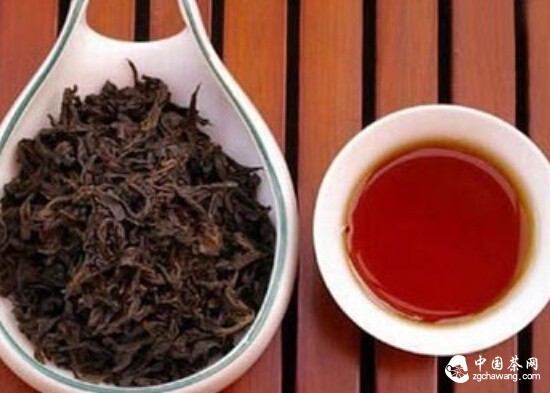
1. Is the foam on the first infusion harmful?
Truth: False
Explanation: When brewing the first infusion of tea, a layer of "foam" often appears on the surface. Some mistakenly think it is residue from pesticides or impurities. In fact, this foam is not only harmless but also beneficial to health. It is produced by tea saponins in the tea leaves. Scientists have confirmed that tea saponins have antibacterial, anti-inflammatory, and antioxidant properties. In ancient times, this white foam was regarded as a kind of essence. Du Yu wrote in his poem: "Glistening like snow, shining like spring vegetation."
2. Strong tea can sober up after drinking alcohol
Truth: False
Explanation: Some people believe that drinking strong tea after alcohol consumption can help sober up, but this is a misconception. Tea has a stimulating effect on the central nervous system. Drinking strong tea after intoxication can put additional strain on the heart. Tea also promotes diuresis, causing toxic aldehydes in alcohol to be excreted by the kidneys before they are fully broken down, which can irritate the kidneys and harm health. Therefore, people with heart or kidney conditions or poor function should avoid tea, especially strong tea. For healthy individuals, a small amount of strong tea is acceptable. After sobering, consuming large amounts of fruit or drinking small amounts of vinegar can accelerate metabolism and alleviate intoxication.
3. Is "pure material" Pu'er completely unblended?
Truth: False
Explanation: The concept of "blending" in Pu'er tea specifically includes six aspects: grade blending, mountain blending, tea variety blending, season blending, year blending, and fermentation degree blending. Many people refer to "pure material" as tea made from the same mountain and the same season, which accounts for only two aspects of Pu'er blending technology. Therefore, it cannot be simply assumed that "pure material" Pu'er tea is completely unblended.
4. Is rinsing tea to wash away dust?
Truth: False
Explanation: Many people think that rinsing tea is to wash away impurities like tea dust and dirt. In fact, this is not the case. In most cases, the main purpose of "rinsing tea" is to moisten the tea leaves, helping them to unfurl and release flavor more quickly, allowing drinkers to immediately perceive the tea's aroma. Some tea enthusiasts prefer to call it "awakening tea," "moistening tea," or "warming tea."
5. Does aged Tieguanyin need regular re-roasting?
Truth: False
Explanation: Some tea drinkers believe that aged Tieguanyin must be regularly re-roasted at high temperatures to have storage value. They are unaware that repeated firing can carbonize the leaves, making the tea taste thin and hollow, losing the true essence of aged oolong. If stored properly, aged tea does not require re-roasting.
6. Does leaving leftover tea in the pot help maintain it?
Truth: False
Explanation: Leftover tea should not be left in the pot. Overnight tea liquor develops a stale smell that can seep into the pot, not only failing to help maintain the pot but actually damaging Yixing clay teapots. Drinking tea brewed in a pot maintained this way can be harmful to health.
7. Is Yixing clay unsuitable for brewing green tea?
Truth: True
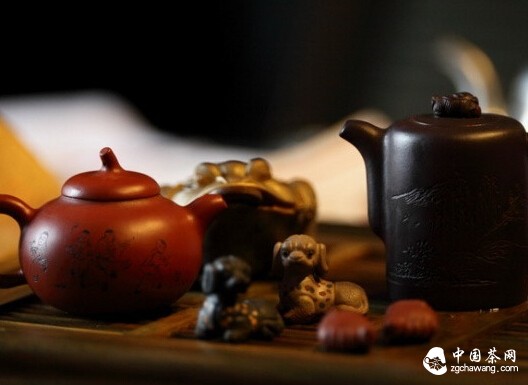
Explanation: High-quality green tea is typically brewed at lower temperatures, around 85°C. Higher temperatures and longer steeping times can damage the flavor of green tea. Therefore, it is generally not recommended to use Yixing clay pots for green tea. If necessary, green tea can be brewed in a Yixing pot for a very short time and immediately poured out, with the lid left open during brewing.
8. Does Dongting Biluochun come from Dongting Lake?
Truth: False
Explanation: Dongting Biluochun, one of China's top ten famous teas and a green tea, is actually produced on Dongting Mountain in Suzhou, Jiangsu Province, not from Dongting Lake.
9. Is Anji Bai Cha a white tea?
Truth: False
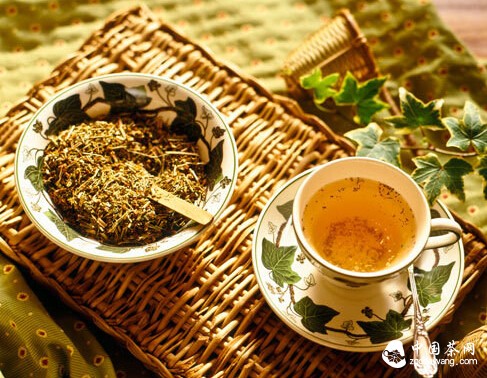
Explanation: Anji Bai Cha is not a white tea; it is a green tea made from albino buds and leaves processed using green tea techniques. Each spring, low temperatures inhibit chlorophyll synthesis in the new leaves of Anji Bai Cha tea plants, causing temporary albinism. During this stage, the amino acid content is very high, giving Anji Bai Cha its fragrant and fresh taste.
10. Is West Lake Longjing always green?
Truth: False
Explanation: Consumers often mistakenly believe that good Longjing must be vibrant green. In fact, the quality of West Lake Longjing lies in: 1. Taste: a sweet aftertaste; 2. Aroma: a unique bean-like fragrance; 3. Shape when brewed... Moreover, high-quality Longjing dry leaves are green with a yellowish, rice-like color.
11. Are color-changing tea pets toxic?
Truth: Not necessarily
Explanation: Color-changing tea pets are usually thermochromic, made mainly from resin. When hot tea is poured over them, they instantly become colorful and return to their original color when cooled. Alternatively, some tea pets are coated with chemical materials that change color when heated. While these pets are fine for play, it is best not to pour tea over them during drinking. The chemical reagents in the clay can react with hot tea, potentially releasing harmful toxins.
12. Are tea hairs a sign of good tea?
Truth: False
Explanation: The phrase "No tea hairs, no good tea" from an advertisement led many to believe that tea hairs indicate quality. In reality, tea hairs, also called trichomes, are fine fuzz on tender tea buds. They are rich in theanine, polyphenols, and other nutrients. Generally, the younger the leaf, the more tea hairs, making it an indicator of tenderness. However, tea quality is not solely determined by tea hairs. Many teas, especially green and black teas like Maojian, have tea hairs. But not all teas follow this rule. For example, Longjing undergoes a process called "huiguo" to dry and shape the leaves, which also polishes off the tea hairs, creating its unique characteristics. Therefore, tenderness in Longjing cannot be judged by tea hairs alone.
13. Is matcha not green tea?
Truth: False
Explanation: Matcha — a Japanese national treasure originating from China — differs in form from common green teas but is still a type of green tea. Matcha is a pure natural steamed, superfine powdered green tea. It is made from tender tea leaves processed through high-temperature steam fixation and special techniques, then instantly ground into a powder finer than 200 mesh. This process preserves the natural green color and nutrients of the tea leaves.
14. Is green tea powder the same as matcha?
Truth: True
Explanation: Matcha is different from ordinary green tea powder; it is not simply crushed tea leaves. Matcha powder is made from high-quality fresh green tea, steamed, ground with a stone mill, superfinely pulverized, and dried at low temperatures. Matcha requires high-quality raw materials rich in amino acids, protein, and chlorophyll, with low caffeine content. Green tea powder, on the other hand, is typically made from common pan-fried green tea and crushed using instant grinding methods.
15. Is fresher tea always better?
Truth: False
Explanation: New tea refers to tea picked less than a month ago. It looks, smells, and tastes excellent, making it a pleasure to drink. However, because the tea has been stored for too short a time, it contains higher levels of polyphenols, alcohols, and aldehydes, which can irritate the gastrointestinal lining and easily induce stomach problems. Long-term consumption of new tea may cause abdominal pain and bloating. New tea also contains more active tannins and caffeine; excessive consumption can overstimulate the nervous system, causing symptoms like weakness, cold sweats, and insomnia ("tea drunkenness"). Therefore, new tea should be consumed in small amounts, and tea stored for less than half a month should be avoided.
16. Does drinking tea with milk cause osteoporosis?
Truth: False
Explanation: Some claim that tannins in tea can bind with calcium in milk, reducing intestinal calcium absorption and leading to osteoporosis over time. This is not true. Compared to vegetables, tea is not a major source of tannins. A single infusion of tea contains about 4–6 mg of tannins, while half a cup of milk contains about 120 mg of calcium. The loss of calcium from binding is less than one-tenth, making it impossible to cause osteoporosis.
17. Can tea replace water?
Truth: True
Explanation: Fluoride in tea, within the appropriate intake range, is a beneficial trace element for humans. It helps calcium and phosphorus deposit in bones, promotes bone growth, and has health benefits like maintaining bone health and preventing tooth decay. However, excessive intake can lead to fluoride poisoning. The Chinese Nutrition Society recommends a daily fluoride intake of 1.5–3 mg for adults. Therefore, tea cannot replace water. A reasonable ratio is to drink four cups of tea and four cups of water per day.
18. Does drinking tea raise blood pressure?
Truth: False
Explanation: Tea has effects such as anticoagulation, promoting dissolution, inhibiting platelet aggregation, regulating blood lipids, increasing high-density lipoprotein in the blood, and improving the ratio of cholesterol to phospholipids. These actions help prevent cholesterol and other lipid deposits from building up on blood vessel walls, thus preventing coronary artery narrowing. In particular, catechins in tea can lower cholesterol and blood lipid levels, thereby reducing blood pressure. Therefore, drinking tea can help prevent cardiovascular diseases.
19. Are Junshan Yinzhen and Weishan Maojian green teas?
Truth: False
Explanation: Xinyang Maojian, Jugeng Maojian, Duyun Maojian, etc., are green teas. However, not all teas with "Maojian" or "Zhen" in their names are green. Junshan Yinzhen and Weishan Maojian are yellow teas, not green teas.
20. Is China the birthplace of tea?
Truth: Absolutely true
Explanation: Some opinions suggest India is the birthplace of tea. In fact, China was the first country to discover and cultivate tea plants. Written records show that our ancestors began cultivating and using tea trees more than 3,000 years ago. In the late 19th century, the British explorer E. H. Wilson wrote in his book "A Journey in Western China": "On the slopes of the mountains in north-central Sichuan, I saw wild tea bushes generally about 10 feet high." This was the first report of wild tea trees found in China. In contrast, the history of tea production in India and other regions is less than 200 years. Therefore, without a doubt, the origin of the tea tree is China.