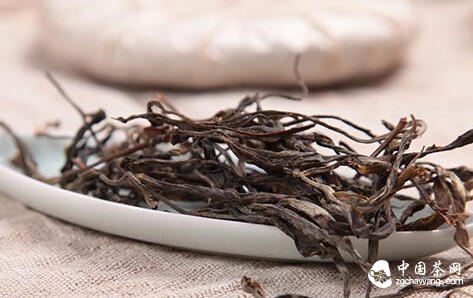
Icebound Pu'er tea's raw leaf drying process is to dry the raw leaves into sun-dried green tea. If the drying is incomplete, the tea leaves may over-ferment or even develop mold.
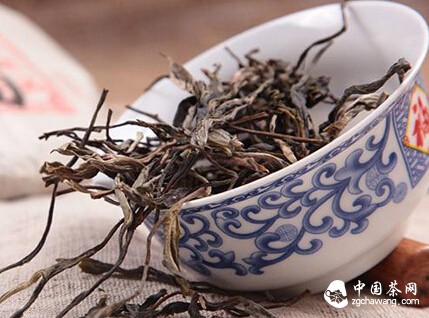
Raw leaf drying (sun-dried green tea): after rolling, the leaves are directly spread on bamboo mats or cement drying yards and dried under the sun. The leaves are stirred 2–3 times during the drying process. The sun's heat radiation generally does not exceed 40°C. If the drying is incomplete, the tea leaves may over-ferment or even develop mold. Properly dried Pu'er raw green tea leaves have a dark green or deep green color, with thinner leaves showing a slightly yellowish-green. This is commonly known as "sun-dried green tea." Raw leaf grading: the sun-dried green tea is sorted by the number of leaf buds and the proportion of heart leaves, or by single leaf size into different grades.

Generally, wild tea is picked manually, while plantation tea (garden tea) is often processed using a sifting machine. At this point, the production of raw Pu'er tea is complete. If raw tea cakes are to be made, the material is then compressed into shape to become compressed raw tea cakes, which is what we commonly call raw Pu'er tea. If ripe tea is desired, the loose raw tea undergoes artificial accelerated post-fermentation and a water-piling (wo dui) process to become ripe loose tea (Pu'er loose tea). It is then compressed into shape to become compressed ripe tea cakes, which is what we commonly call ripe Pu'er tea.