Nowadays, drinking tea for health is becoming increasingly popular. Many people are accustomed to keeping a cup of "health tea" with ingredients like hawthorn, goji berries, and chrysanthemums, which are believed to have medicinal effects. Can these various health teas really be drunk every day? Who are they suitable for?
1. Chrysanthemum and Goji Berry Tea, Those with a Cold Stomach Should Drink Less
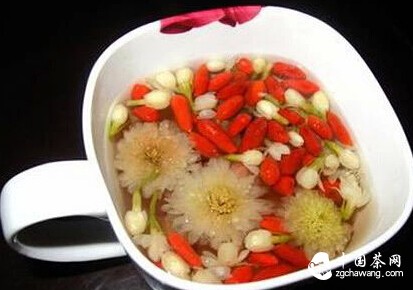
Chrysanthemum and goji berry tea has the effects of nourishing yin and blood, dispelling wind and heat, and detoxifying and improving eyesight. It is especially suitable for office workers and students who sit in front of computers for long periods. However, chrysanthemum is cool in nature, so the following people should drink with caution: those with a cold stomach, women during menstruation and pregnant women, people with weak constitution and diarrhea, and children.
Best way to drink: Use five or six chrysanthemum flowers and five or six goji berries, brew with boiling water, and drink 2 to 3 times a week.
2. Longan and Red Date Tea, Those with "Excessive Internal Heat" Should Not Drink
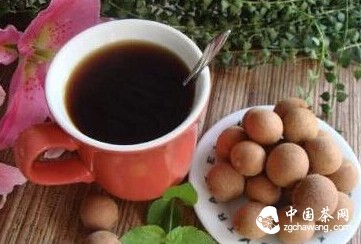
Longan and red date tea is popular among women for improving complexion and delaying aging. However, longan is warm in nature, and drinking too much can easily cause internal heat and stagnation. Therefore, people with colds or coughs should avoid it. Young people with strong internal heat should also drink less to prevent getting overheated. Since red dates are high in sugar, diabetics should be cautious.
Best way to drink: Use five longan and five red dates, brew with boiling water. It is best to cut the red dates open.
3. Ginseng Tea, Those with High Blood Pressure Should Drink Less
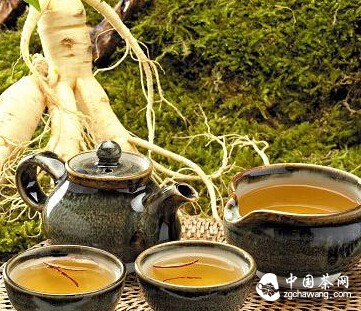
Although ginseng is expensive, ginseng used for tea is relatively cheaper, making ginseng tea quite popular. Ginseng tea is suitable for middle-aged and elderly people, helping to regulate body functions and supplement qi and blood. However, those with yin deficiency and internal heat, or hot hands and feet, should not take it. Women during menstruation, people with high blood pressure, or those prone to headaches should also avoid it.
Best way to drink: One cup a day, drink for three consecutive days and then stop for three days to allow the medicinal ingredients to metabolize.
4. Rose Tea, Those with Qi Deficiency Should Not Drink Too Much
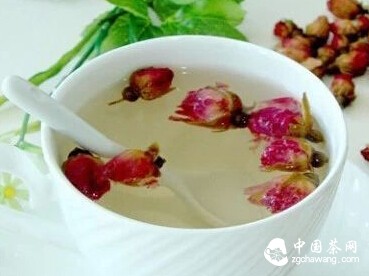
Rose tea has an antidepressant effect, can regulate qi and clear heat, and is beautifying and calming. However, people with a cold stomach or diarrhea should not take it. Those who often feel tired or have qi deficiency should also avoid drinking too much.