1. Do not drink large amounts of tea right before or after meals. The correct practice is to drink tea one hour after a meal, and it should not be too strong. 2. People with weak constitution, malnutrition, or anemia should avoid drinking tea. 3. People with urinary stones should avoid drinking tea. 4. Avoid drinking tea before bedtime. 5. Avoid drinking overnight tea. 6. Avoid drinking spoiled tea or the first infusion.
II. Taboos of Pu'er Tea
1. Do not drink strong Pu'er tea on an empty stomach; choose a suitable time based on individual conditions. 2. Pu'er tea should be brewed and consumed immediately; do not steep it for too long, and avoid drinking overnight Pu'er tea. 3. Newly made Pu'er tea should not be consumed in large amounts. 4. Keep tea utensils clean; remember to wash cups frequently when drinking Pu'er tea. 5. Pu'er tea is better consumed with other teas, not exclusively. 6. Pu'er tea is better consumed regularly, not intermittently. 7. Pu'er tea is better consumed warm, not scalding hot or cold. 8. Pu'er tea is better consumed light, not strong. 9. Avoid drinking large amounts of Pu'er tea right before or after meals. 10. Drink Pu'er tea in moderation before bedtime. 11. Avoid drinking low-quality or spoiled tea. 12. Avoid drinking Pu'er tea that has been steeped too many times.
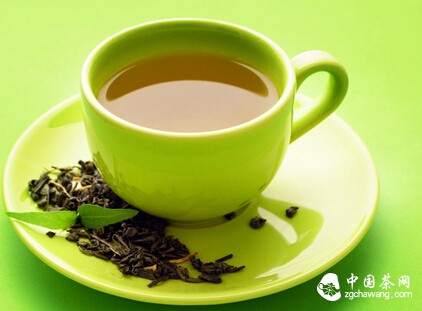
III. Taboos of Green Tea
1. Avoid drinking the first infusion: Because tea leaves may have pesticide residues during cultivation and processing, the surface of the leaves always has some residue.
2. Avoid drinking tea on an empty stomach: Drinking tea on an empty stomach can dilute gastric juices, reduce digestive function, and cause harmful substances in the tea to enter the blood, leading to dizziness, heart palpitations, and weakness in limbs.
3. Drink less new tea: Because new tea has a short storage time and contains more unoxidized polyphenols, aldehydes, and alcohols, which strongly irritate the gastrointestinal mucosa and may easily induce stomach problems. New tea stored for less than half a month should be avoided.
4. People with cold stomachs should not drink too much, as excessive consumption may cause gastrointestinal discomfort. People with neurasthenia or insomnia should not drink tea before bedtime. Nursing mothers should also drink less tea, as tea has an astringent effect on milk.
5. Avoid taking medication with green tea, and avoid drinking overnight tea. The tannic acid in green tea can combine with many drugs to form precipitates, hindering absorption and affecting drug efficacy.
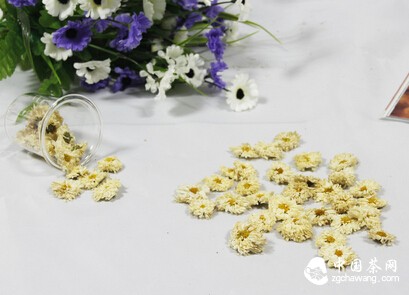
IV. Taboos of Chrysanthemum Tea
People with a weak and cold spleen and stomach should drink it sparingly. When brewing chrysanthemum tea, it is not advisable to drink it continuously for a long time; generally, 3-5 days is sufficient. People with a cold constitution may add a little wolfberry. 2. People with yang deficiency should not drink chrysanthemum tea regularly. If they blindly drink chrysanthemum tea with heat-clearing and fire-draining effects, it may damage healthy energy and make the deficiency worse. Especially for people with a weak and cold spleen and stomach, drinking cooling chrysanthemum tea may cause stomach discomfort and acid reflux. Thus, using chrysanthemum tea to reduce heat and clear fire is not suitable for everyone.
What are the effects and functions of tea?
1. Black Tea
Black tea is made from green tea through fermentation. Because the dry tea and the brewed liquor are mainly red in color, it is called black tea. There are many types and origins of black tea. According to processing methods and tea shapes, it can be mainly divided into three categories: Congou black tea, Souchong black tea, and broken black tea. Congou black tea is unique to China, and the word "Congou" has two meanings: one refers to the extra effort in processing compared to other black teas, and the other refers to the need for ample time to savor it when brewing. Souchong black tea is a specialty of Fujian Province, including Lapsang Souchong and other Souchong varieties. Lapsang Souchong is produced in high mountains above 1000 meters. It can be further divided into Eastern and European flavors. The Eastern flavor emphasizes pine smoke aroma and longan soup taste, while the European flavor has a stronger pine smoke scent, suitable for pairing with smoked fish and smoked meat. Broken black tea is a major product in the international tea market; it is processed by machine into international CTC black tea, which is best for making flavored tea, iced black tea, and milk tea. Black tea aids digestion, promotes appetite, has diuretic effects, eliminates edema, and strengthens heart function. In disease prevention, black tea has strong antibacterial properties; rinsing the mouth with black tea can prevent colds caused by filterable viruses, as well as prevent tooth decay and food poisoning, and lower blood sugar and blood pressure.
2. Yellow Tea
It is a type of tea slightly different from green tea in processing, with an additional step of piling and yellowing. Yellow tea has a yellow liquor and yellow leaves after brewing. Yellow tea is a specialty of China. According to the tenderness of the fresh leaves, it is divided into yellow small tea and yellow large tea. Yellow tea is a fermented tea; during the fermentation process, a large amount of digestive enzymes are produced, which are beneficial to the spleen and stomach. It can be consumed for indigestion, loss of appetite, laziness, and obesity. Yellow tea is rich in tea polyphenols, amino acids, soluble sugars, vitamins, and other nutrients, which have significant effects in preventing esophageal cancer. In addition, fresh yellow tea leaves retain more than 85% of natural substances, which have special effects on cancer prevention, anti-cancer, sterilization, and anti-inflammation.
3. Green Tea
It is made from suitable tea plant buds and leaves through processes such as fixation, rolling, and drying. The dry tea and brewed liquor and leaves are mainly green in color. According to different methods of drying and fixation, green tea is generally divided into four types: pan-fired, baked, sun-dried, and steamed green tea. Green tea is unfermented, so it retains more natural substances from fresh leaves, including tea polyphenols, catechins, chlorophyll, caffeine, amino acids, vitamins, and other nutrients. These natural nutrients in green tea have special effects on anti-aging, cancer prevention, anti-cancer, sterilization, and anti-inflammation, which are unmatched by other teas.
4. White Tea
It is a lightly fermented tea made from buds and leaves with abundant white hairs, processed using a special method without rolling or frying. The fresh leaves of white tea require "three whites," meaning the tender bud and two tender leaves both show white hairs. The finished tea is covered with downy hairs, white as silver, hence the name white tea. According to the tea plant variety and picking standards, white tea is divided into bud tea (such as Baihao Yinzhen) and leaf tea (such as Gongmei). Bud tea is made from single buds, called Silver Needle; leaf tea is made from complete one bud and two leaves with dense white hairs on the back, called White Peony (the best quality comes from the first round of spring shoots from the Dabai tea plant variety). The production process of white tea is very unique and natural; it is neither fried nor rolled. It does not inhibit the oxidation of tea polyphenols like green tea, nor does it promote oxidation like black tea. Instead, freshly picked tea leaves are thinly spread on bamboo trays under weak sunlight or in a well-ventilated and well-lit room for natural withering. When 70% to 80% dry, they are slowly dried over low heat. Due to the simple production process with minimal steps, white tea largely retains the nutrients in the tea leaves. Since ancient times, local people have used white tea to reduce heat, clear toxins, reduce inflammation, induce sweating, remove dampness, relieve summer heat, and treat ailments such as wind-fire toothache, high fever, and measles. White tea has three anti-effects (anti-radiation, anti-oxidation, anti-tumor) and three lowering effects (lowering blood pressure, lowering blood lipids, lowering blood sugar) for health benefits, as well as nourishing effects on the heart, liver, eyes, spirit, qi, and skin.
5. Oolong Tea, Semi-Fermented Tea
It is a unique tea category among Chinese teas with distinct characteristics. It comes from the same tea plant as green tea, with the biggest difference being the fermentation process. As the catechins in the tea combine with increasing fermentation temperature, the tea color deepens, but the astringency decreases. Oolong tea, as a famous Chinese specialty tea, has been confirmed by modern scientific research to have health functions similar to ordinary tea, such as refreshing the mind, relieving fatigue, promoting salivation and diuresis, relieving heat and preventing sunstroke, sterilizing and reducing inflammation, dispelling cold and relieving hangovers, detoxifying and preventing diseases, promoting digestion and removing greasiness, and aiding weight loss. In addition, it has special effects in preventing cancer, lowering blood lipids, and anti-aging. Oolong tea also has effects on beautifying the skin, detoxifying, promoting bowel movements, and eliminating reactive oxygen molecules in cells.
6. Dark Tea
The raw materials used are relatively coarse and old, making it the main raw material for compressed tea. Because the raw materials of dark tea are relatively coarse, they often undergo long periods of piling fermentation during manufacturing, resulting in a dark brown color of the leaves. It belongs to fully fermented tea. Dark tea differs from other teas in raw material selection and processing techniques (fermentation and blooming), leading to differences in biochemical composition and ratio, and thus in pharmacological functions. The microorganisms involved in the pile fermentation process give dark tea different internal components and functions compared to black and green teas. It has significant effects in lowering blood lipids, blood pressure, blood sugar, aiding weight loss, preventing cardiovascular diseases, and anti-cancer. The special health benefits of dark tea are related to its relatively high content of tea polysaccharides.