Which Category Does Oolong Tea Belong To?
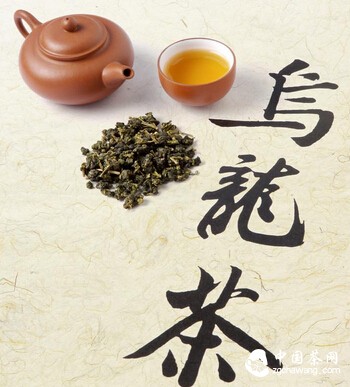
Oolong tea is a type of tea belonging to the Oolong tea category. It includes many sub-categories. Oolong tea, also known as green tea or semi-fermented tea, has a wide variety and distinctive characteristics among Chinese teas. Oolong tea and green tea come from the same tea plant, but differ in the fermentation process. It is produced through steps such as picking, withering, shaking, semi-fermentation, and roasting, resulting in excellent quality. Tasting Oolong tea leaves a fragrant aftertaste in the mouth and a sweet回味. Oolong tea is notably effective for breaking down fat and aiding weight loss. It is mainly produced in northern and southern Fujian, as well as in Guangdong and Taiwan provinces. In recent years, small amounts have also been produced in Sichuan and Hunan. Anxi Ti Kuan Yin, Wuyi Rock Tea (Da Hong Pao), and Taiwan Dong Ding Oolong are particularly famous.
The Predecessor of Oolong Tea—Beiyuan Tea
Oolong tea originated in Fujian and has a history of over 1,000 years. The formation and development of Oolong tea must first trace back to Beiyuan tea. Beiyuan tea was the earliest tribute tea in Fujian and the most famous tea after the Song Dynasty. Historically, there were more than ten works introducing the production, preparation, and brewing of Beiyuan tea. Beiyuan is the area around Fenghuang Mountain in Jian'ou, Fujian, where tea was already produced in the late Tang Dynasty.
The Origin of the Name “Oolong Tea”
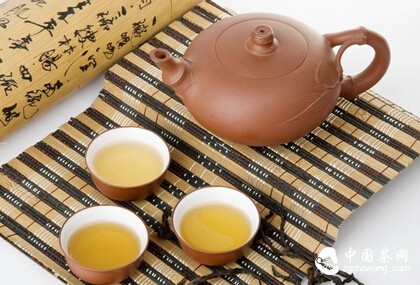
There are four possible origins for the name “Oolong tea”: the place of production; the tea plant variety; the name of the person who made the tea; and the shape and color of the tea leaves. There is a legend: A tea garden owner went to check on the tea that was almost dried in the sun, but he saw a black dragon (oolong) there. He was terrified and only dared to go back several days later. During those days, the tea leaves were exposed to the sun and oxidized, no longer the green tea that was usually sun-dried. They turned black, but the taste was rich and fragrant. The garden owner then named it “Oolong tea.” Another theory is that the inventor of the Oolong tea process was named Su Long (a man with dark skin, so people called him Oolong), and the tea was named after him. The true origin of the name “Oolong tea” is likely due to the shape and color of the tea leaves. After processing, the tea leaves become black in color and resemble a dragon in shape. When brewed in water, the leaves are dark green, curled and twisted, like a black dragon entering the water, hence the name “Oolong tea.” As long as the production method is the same, whether named after a place or a tea plant variety, it is generally referred to as Oolong tea.
Main Classifications of Oolong Tea
Northern Fujian: Da Hong Pao, Shui Xian, Rou Gui, etc.; Southern Fujian: Ti Kuan Yin, Shui Xian, Qi Lan, Huang Jin Gui, etc.; Guangdong: Fenghuang Dan Cong, Fenghuang Shui Xian, Lingtou Dan Cong, etc.; Taiwan: Dong Ding Oolong, Oolong, Bao Zhong, etc.
Efficacy and Effects of Oolong Tea
Refreshing and relieving fatigue; promoting body fluid and diuresis; clearing heat and detoxifying; anti-inflammatory and sterilizing; reducing fat and aiding weight loss; antioxidant; improving skin allergies; anti-tumor and anti-cancer; lowering blood lipids; anti-aging; strengthening the body, etc.
Selection Criteria
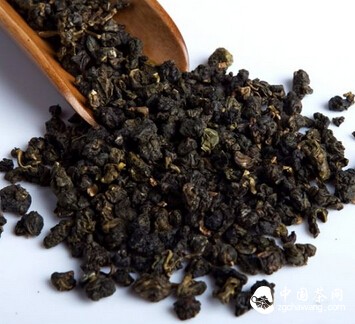
1. Tenderness and color. 1. Tenderness is a fundamental factor determining quality. “Observe the shape when dry, examine the infused leaves when wet” refers to tenderness. 2. Color: The color of tea leaves is closely related to the tenderness of the raw material and processing techniques.
2. Smell the dry tea leaves. Hold the dry tea in your hand, bring it close to your nose, and take three deep breaths in succession. If the aroma persists and even becomes stronger, it is good tea. However, care must be taken to ensure whether the aroma is overly pronounced and unnatural, or artificially added. For lower quality tea, the shortcomings will be revealed on the second breath, either no aroma or a green or off-flavor, which should be avoided.
3. Shape of the dry tea. Mainly considered from three aspects: shape, integrity, and cleanliness. 1. Shape refers to the external form of various teas, such as the strip shape of pan-fried green tea, the round shape of pearl tea, the flat shape of Longjing, and the granular shape of broken black tea. 2. Integrity refers to the overall shape and degree of breakage. Uniform and whole is good, broken is inferior. 3. Cleanness mainly checks whether the tea contains foreign materials such as tea flakes, stems, dust, seeds, or impurities from processing like bamboo shavings, wood chips, lime, or sand.
4. Brew and taste. Evaluation also covers four aspects: color, aroma, taste, and shape. 1. Tea liquor color: Use a porcelain spoon to stir the tea leaves and observe the color of the liquor. 2. Tea liquor aroma: The aroma of tea varies with variety, processing method, and season. 3. Tea liquor taste: Tea is mainly for drinking. Hold the tea liquor in your mouth and use your tongue to move it around inside your mouth, allowing the taste to be fully contacted and perceived. This helps distinguish sweetness, richness, bitterness, astringency, stimulation, and constriction. 4. Examine the infused leaves: The evaluation of infused leaves mainly relies on sight and touch. The speed at which the leaves unfold can indicate whether the tea is young or old. Freshly made tea has bright and clear infused leaves; aged tea has reddish-brown or dark colors.
Tea Identification
Difference from Ti Kuan Yin
Ti Kuan Yin is a type of Oolong tea. Oolong tea is fermented tea, while green tea is directly pan-fried. Ti Kuan Yin originates from Anxi, Fujian, and is an outstanding variety among Oolong teas. Ti Kuan Yin fresh leaves are elliptical in shape, dark green in color, thick and fleshy, with wavy leaf edges slightly curled backward, sparse and blunt serrations (about 22 pairs), and purple-red buds. Dry Ti Kuan Yin leaves are plump, tightly rolled, heavy, emerald green, and dark and glossy. Oolong tea, also known as green tea, is a semi-fermented tea with a mellow and sweet aftertaste. Tasting Oolong tea gives a special “throat feel” sensation, where the tea liquor slowly produces saliva as it passes down the throat, leaving a lingering taste, as if there is substance to chew. Fujian Oolong teas include Wuyi Rock Tea, Wuyi Qi Zhong, Northern Fujian Shui Xian, Northern Fujian Oolong, Anxi Ti Kuan Yin, Anxi Oolong, and Anxi Se Zhong.
Difference from Black Tea
Black tea is made from green tea through fermentation. It is refined using fresh tea buds and leaves from suitable tea plants through typical processes including withering, rolling (cutting), fermentation, and drying. It is named for its dark color and reddish infusion. Oolong tea, also known as green tea or semi-fermented tea, is named after its creator. It combines the production methods of green and black tea, with quality between the two. It has both the rich, fresh taste of black tea and the clear fragrance of green tea, earning it the reputation of “green leaves with red edges.” Black tea is fully fermented, while Oolong tea is semi-fermented.
Precautions for Drinking Oolong Tea
First, avoid drinking tea on an empty stomach, which can easily cause “tea drunkenness,” manifested as hunger, dizziness, and chest tightness. Second, avoid drinking tea before sleep, as it can make it difficult to fall asleep. Third, avoid drinking cold tea, as cooled Oolong tea is cold in nature and harms the stomach. Drinking tea should also be based on individual constitution. If you feel unwell after drinking tea, it is best to moderate your intake. It is best to drink Oolong tea hot, without adding sugar, and preferably one hour after a meal. The water temperature for brewing should be around 80°C–90°C, and the tea should be consumed within half an hour to one hour to prevent the nutrients from being oxidized.