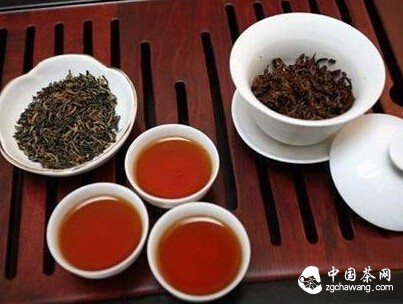
1. “Fill wine to the brim, but tea only seven-tenths full”
Because wine is cold, the guest won’t get burned when taking the cup. Tea, however, is hot. A full cup makes it hard for the guest to hold without getting burned, and sometimes the cup may even be dropped and broken, causing embarrassment.
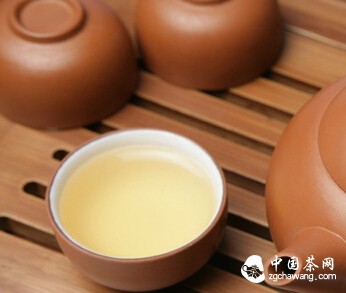
2. “Respect the elder and noble first, then the younger and lower”
When offering tea, say “Please have some tea.” The guest should reply with “Don’t stand on ceremony,” “You’re too kind,” or “Thank you.” In a group setting where cups are not collected, place them on the table in front of each person. When pouring tea for the first time, serve the elder and higher-status persons first. For subsequent pours, you may proceed in order.
The person receiving tea should show a respectful response:
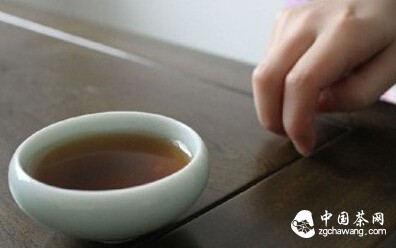
1. Elder to younger: Tap the table with the index finger or middle finger—equivalent to a nod. If especially appreciative, tap three times.
2. Younger to elder: Clench all five fingers into a fist, palm down, and tap the table with all five fingers at once—equivalent to a kowtow. Usually tap three times.
3. Between equals: Tap the table with index and middle fingers together—equivalent to a fist-and-palm salute. Tap three times to show respect.
3. “Serve guests first, then the host; the tea master drinks last”
When serving tea, in addition to observing seniority and rank, you must first serve the guests and then your own family. Only after everyone present has had tea may the person who brewed the tea (commonly called the “cabinet chief”) drink. Otherwise, it is disrespectful to the guests, known as “bullying the guest” or “treating people improperly.”
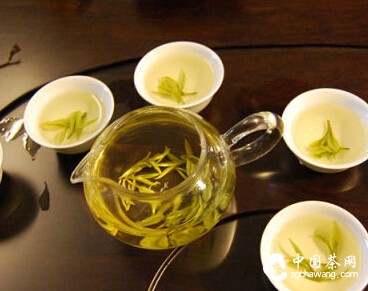
4. “Strong guest overwhelms host: tapping the cup and scraping the tray”
When drinking tea, the guest should not scrape the bottom of the cup against the tea tray. When finishing tea, place the cup down gently and avoid making noise. Otherwise, it is seen as “the guest overwhelming the host” or “deliberate provocation.”
5. “Frowning while drinking tea indicates disdain”
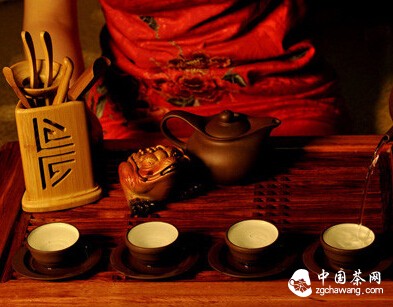
Guests should not frown while drinking tea. This is a warning sign to the host. If the host notices a guest frowning, they will think the guest dislikes the tea or finds it not to their taste.
6. “First infusion is for washing, second infusion is for drinking”
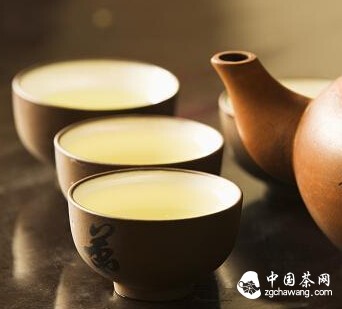
When brewing tea, the first infusion must be poured away and not drunk. It contains impurities and is unfit for consumption. There is a saying: “First infusion is for washing, second infusion is for tea.” Letting a guest drink the first infusion is considered an insult.
7. “New guest, fresh tea”
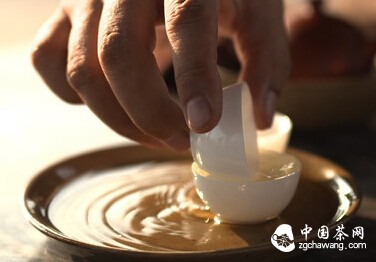
If a new guest arrives while host and guests are already drinking tea, the host should welcome them by immediately changing the tea leaves. Otherwise, it is considered “neglecting the guest” or “treating them improperly.” After changing the leaves, the second infusion should be offered to the new guest first. If the new guest repeatedly declines, it is called “refusing politeness.”
8. “Subtle hint to see a guest out”
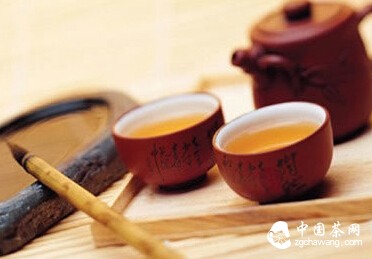
A hospitable host usually serves strong tea. However, if the host has work to do and the tea session is taking too long, or if conversation is unpleasant, or if a late-night visit affects sleep, the host may deliberately stop changing the tea leaves. The guest should then realize this is a “subtle hint to leave” and take their leave promptly, or risk displeasing the host.
9. “Tea without color”
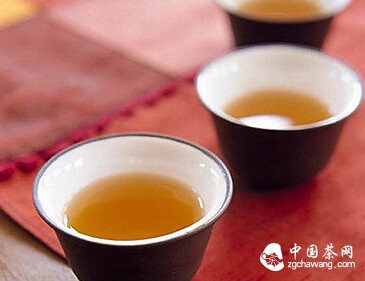
When serving tea, the liquor goes from strong to weak. After several infusions, the leaves should be changed. Failure to do so is considered “tea without color,” which has two meanings: first, continuing to pour colorless tea shows coldness to the guest and fails to fulfill the host’s duty; second, by extension, it implies lack of seriousness or effectiveness, as in “someone is tea without color.”
10. “Tea for three, wine for four, sightseeing for two”
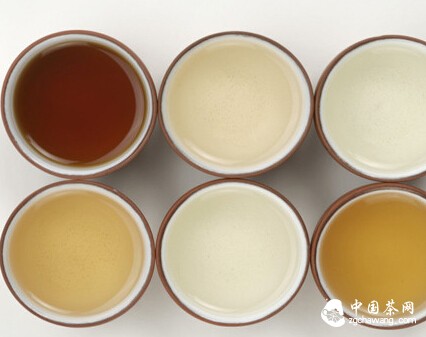
Placing three cups on the tea tray comes from the saying, “Tea for three, wine for four, sightseeing for two.” It is believed that tea must be enjoyed by three, wine by four (for easier finger-guessing games), but for outings and sightseeing, two is ideal for reaching a consensus and satisfying the travel mood.