1. What is black tea?
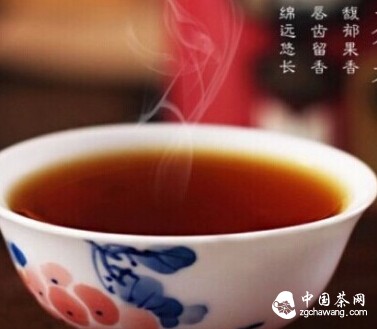
Answer: Black tea is a fully fermented tea produced from the buds, tender leaves, and tender stems of the tea plant through processes including withering, rolling, full fermentation, and drying.
2. When was black tea created? Where did it originate? What are its current classifications?
Answer: Black tea was first created during the Qing Dynasty, originating in Tongmu Pass, Wuyishan City (formerly known as Chong'an County), Fujian Province. Currently, black tea is divided into three categories: Lapsang Souchong, Gongfu black tea, and broken black tea. Broken black tea is also known as CTC black tea.
3. What are the quality characteristics of black tea?
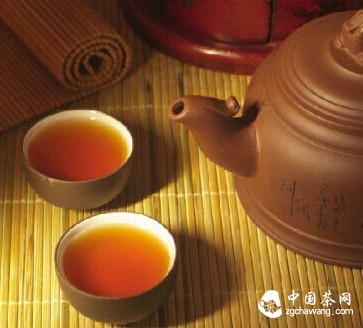
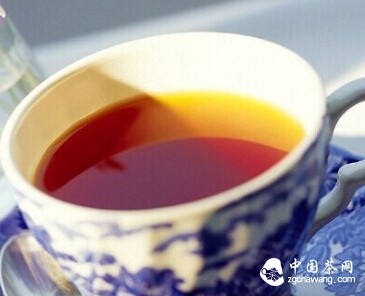
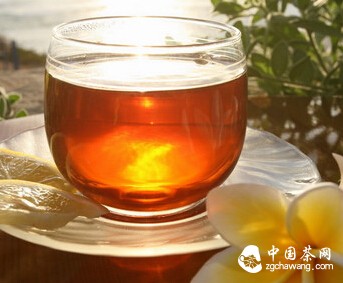
Answer: Black tea is a fully fermented tea, characterized by "red leaves, red liquor, and red leaf base." It has excellent compatibility and is most suitable for blending into various romantic beverages.
4. What is authentic Lapsang Souchong? When was it created? Where is it produced?
Answer: Authentic Lapsang Souchong is the originator of world black tea, created during the Qing Dynasty, and originally produced in the Tongmu Pass area of Xingcun Town, Wuyishan City (formerly Chong'an County), Fujian Province. Because it is a true high-mountain small-leaf black tea, it is named "Zhengshan" (authentic mountain) Lapsang Souchong. Small-leaf black teas produced in other towns of Wuyishan City, Jian'ou City, and Guangze County are called "Waishan" (outer mountain) Lapsang Souchong or smoked Lapsang Souchong.
5. What are the quality characteristics of authentic Lapsang Souchong?
Answer: Authentic Lapsang Souchong has a bold, tightly tied, and round-shaped appearance without bud hairs, with a glossy black color. The liquor is bright red, with a fragrant aroma carrying a rich longan aroma and pine smoke scent, and a mellow taste with a honey-date flavor.
6. What honors has authentic Lapsang Souchong received? Why is it now in decline?
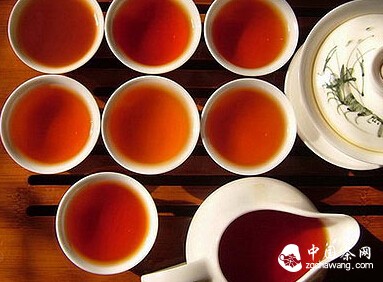
Answer: During the Qing Dynasty, authentic Lapsang Souchong was a flagship export product, with an annual peak production of 300,000 kilograms. When shipped to European markets, it was deeply favored by the upper-class nobility, especially admired by the Queen of England, becoming a royal treasured beverage. Later, it became popular in high society, gradually giving rise to tea-drinking customs such as morning tea, afternoon tea, evening tea, and bedtime tea.
Nowadays, Tongmu Pass has been designated as a Class A natural biosphere reserve by UNESCO, where tea cultivation is strictly prohibited. As a result, production has declined daily, making it an extremely precious and rare historical famous tea.
7. What is Jin Jun Mei? Where is it produced?
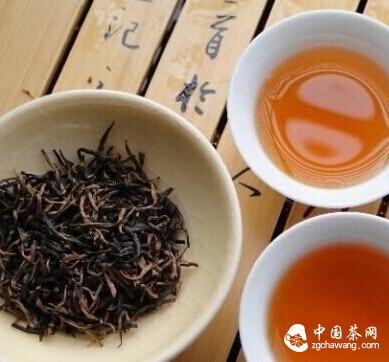
Answer: Jin Jun Mei is a branch of Wuyi Mountain black tea, specifically from Lapsang Souchong, and represents the top-tier high-end black tea of Fujian. Hand-picked and meticulously crafted by tea masters, every 500 grams of Jin Jun Mei requires approximately 60,000 to 80,000 bud tips.
8. What is Dianhong? When was it created? Where is it produced?
Answer: Black tea produced in Yunnan Province is abbreviated as Dianhong. In 1939, the Yunnan China Tea Trading Company successfully trial-produced Gongfu black tea using fresh leaves of the large-leaf Yunnan tea variety in Fengqing, Yunnan, initially named Yunhong. In 1940, following a suggestion from the Hong Kong-based Fuhua Company, it was renamed Dianhong. It is produced in the southern and southwestern parts of Yunnan Province, including Lincang, Baoshan, Fengqing, Xishuangbanna, and Dehong.
9. Which tea tree varieties are most suitable for making Dianhong?
Answer: The most suitable tea tree varieties for making Dianhong include Yunkang 10, Yunkang 14, and Foxiang 1. Yuncha 1, Yunkang 48, and Yunxuan 9 are also good varieties for producing Dianhong.
10. What are the quality characteristics of Dianhong?
Answer: High-quality Dianhong finished tea has a tightly tied, robust, and plump appearance with a glossy black color. The liquor is bright red, with a fresh and strong aroma, a mellow and rich taste with good astringency, and a red, bright, and even leaf base. The golden hairs are particularly prominent, with hair colors ranging from pale yellow to chrysanthemum yellow and golden yellow, making it a famous export tea.
11. What other famous black teas are there in China?
Answer: In addition to authentic Lapsang Souchong, Jin Jun Mei, and Keemun black tea, other famous black teas include the medium-leaf mid-season Gongfu black tea (Keemun) from Anhui Province, Tanyang Gongfu black tea, Zhenghe Gongfu black tea, and Bailin Gongfu black tea from Fujian Province, Yingde black tea and Lychee black tea from Guangdong, and the Nanhai CTC broken black tea from Hainan Province.