
Tea CultureAs autumn deepens and dry weather sets in, what tea should we drink? The four seasons cycle, and tea drinking should follow the rhythm of nature. 【Tea Culture】 shares the principles of drinking tea in spring, summer, autumn, and winter — definitely worth collecting and sharing!
Tea, as an indispensable beverage for Chinese people, holds an unshakable position. Some people even replace water with tea all year round, never without a cup.
Choose Tea According to the Season for Best Results
People should drink tea throughout the year, but the choice of tea leaves should change with the seasons. Although most teas have benefits like lowering fat and blood pressure, it is best to select tea based on the season and personal condition to achieve the best health effects.
1 Spring: Best to Drink Floral Tea
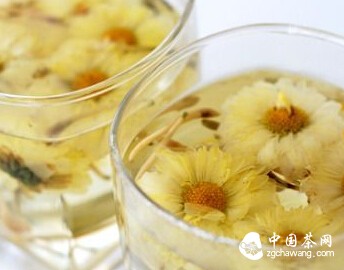
Spring breeze revives, yang energy rises, and many feel sleepy and fatigued — known as "spring lethargy." Floral tea, cool and sweet with a fragrant aroma, helps disperse the cold retained from winter, promotes the rise of yang energy, and refreshes the mind, alleviating spring drowsiness.
Since chrysanthemum is cool in nature, those with weak constitution, spleen deficiency, stomach cold, or prone to diarrhea should avoid it. Generally, chrysanthemum tea is best for those with headaches, dizziness, red and swollen eyes, sore throat, liver fire, or high blood pressure.

Brewing method: Use a transparent glass cup with a lid. Take 3 grams of floral tea, place it in the cup, and pour water boiled and cooled to about 90°C. Cover immediately to prevent aroma loss. Enjoy after 2–3 minutes.
2 Summer: Drink Cooling Green Tea
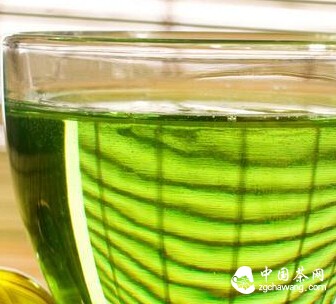
Summer is hot and scorching, causing heavy sweating and fatigue. Green tea, being unfermented and cool in nature, "cools to clear heat," effectively reducing internal heat, quenching thirst, aiding digestion, and dissolving phlegm.

Brewing method: Use water at 90°C directly. For high-grade green tea or delicate famous teas with tender buds and low-boiling-point aromas, use 80°C water. Do not cover the cup to avoid stuffy heat that affects the fresh taste.
3 Autumn: Drink Oolong Tea to Counter Dryness
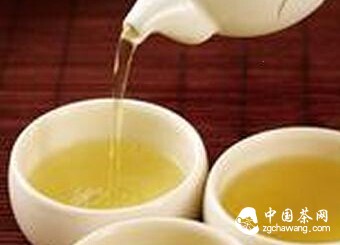
Autumn brings cool breezes, clear skies, and dry air, causing dry mouth, lips, and skin — known in traditional Chinese medicine as "autumn dryness." Oolong tea is recommended as it moisturizes the skin and throat, promotes salivation, clears internal heat, and helps the body adapt to environmental changes.

Brewing method: Use boiling water at 100°C. After steeping briefly, pour the tea into a cup. The aroma is rich, and the flavor lingers on the teeth and cheeks.
4 Winter: Drink Black Tea to Warm the Abdomen

In winter, the weather is cold, and everything lies dormant. Black tea, warm and sweet, nourishes the body's yang energy. Rich in proteins and sugars, it generates heat, warms the abdomen, enhances cold resistance, aids digestion, and cuts through grease.
Brewing method: Use freshly boiled water and cover the cup to release the aroma. The British commonly have "afternoon tea," blending Keemun black tea with Indian black tea, adding milk and sugar. In some parts of China, black tea is also enjoyed with sugar, milk, and sesame.