What You Should Know About Yellow Tea
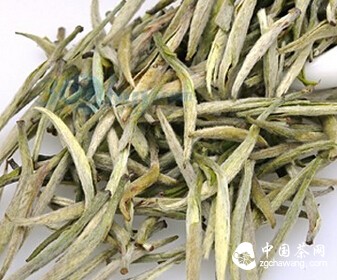
Yellow tea is a lightly fermented tea category. Its processing method is similar to green tea, except that a "yellowing" (闷黄) process is added before or after the drying step, promoting partial oxidation of substances such as polyphenols and chlorophyll. The manufacturing process resembles that of green tea: fresh leaves are pan-fried, rolled, then subjected to yellowing and drying. The pan-frying, rolling, and drying steps are similar to those for green tea, but the most important step is yellowing, which is key to forming the characteristics of yellow tea. The main method is to wrap the pan-fried and rolled tea leaves in paper, or pile them and cover with a damp cloth, for a period ranging from several minutes to several hours, allowing the tea to undergo non-enzymatic auto-oxidation under the influence of heat and moisture, forming a yellow color.
Famous yellow teas include: Junshan Yinzhen, Mengding Huangya, Beigang Maojian, Luyuan Maojian, Huoshan Huangya, Weijiang Baimaojian, Wenzhou Huangtang, Wanxi Huangda Cha, Guangdong Dayeqing, and Haimagong Cha, among others.
Value and Benefits
Health Benefits
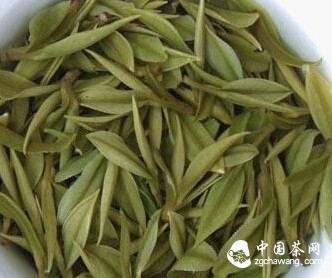
Refreshing the mind, eliminating fatigue, aiding digestion, etc. It is especially beneficial for the spleen and stomach. Those with indigestion, loss of appetite, laziness, and obesity can benefit from drinking it.
Effects
1. Yellow tea is a fermented tea; during the fermentation process, a large amount of digestive enzymes are produced, which are very beneficial for the spleen and stomach. Indigestion, loss of appetite, laziness, and obesity can all be alleviated by drinking it.
2. Nano yellow tea can better exert the original functions of yellow tea. Nano yellow tea can penetrate fat cells more effectively, allowing fat cells to restore metabolic function under the action of digestive enzymes, thereby eliminating fat.
3. The root of yellow tea is used to massage the Er Shan Men (the segment of the ring finger), allowing trace elements to penetrate acupoints, enhancing the magnetic field of acupoints, producing a regulatory effect, and increasing fat metabolism.
4. Yellow tea is rich in tea polyphenols, amino acids, soluble sugars, vitamins, and other nutrients, and has a significant effect on the prevention of esophageal cancer.
5. In addition, the natural substances in fresh yellow tea leaves are retained at over 85%, and these substances have special effects on cancer prevention, anti-cancer, sterilization, and anti-inflammation, which are unmatched by other teas.
Brewing Art
Teaware
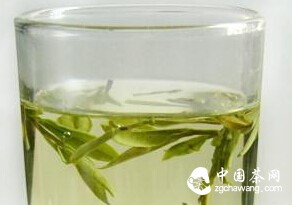
Use a glass cup or a covered bowl. A glass cup is especially recommended for brewing Junshan Yinzhen, as you can enjoy the wonderful spectacle of tea leaves resembling bamboo shoots breaking through the soil, slowly rising and falling, stacking green and emerald, with the "three rises and three falls" phenomenon.
Tea Amount
Place one-fourth of the teaware's capacity in tea leaves.
Water Temperature
85 degrees Celsius
Brewing Time
First infusion: 30 seconds
Second infusion: 60 seconds
Third infusion: 2 minutes