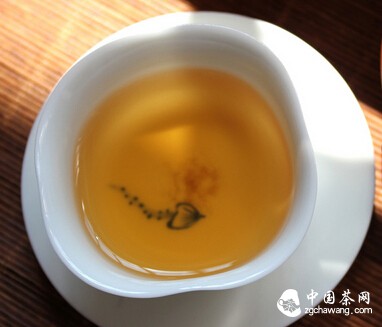
When brewing tea, the amount of tea leaves added can vary depending on the type of tea and personal taste, but it is important to note that the amount of tea leaves, water temperature, and brewing time affect the concentration and taste of the tea liquor.
Increasing the amount of tea leaves or extending the brewing time can make the tea liquor stronger, but the resulting strength differs: With more tea leaves, the extraction of tea contents proceeds gradually from the surface to the inner layers in multiple stages; with longer brewing time, each infusion extracts more layers, but the number of infusions is reduced. Longer brewing produces a thicker tea liquor, but some teas may also develop bitterness. If the bitterness does not gradually turn into sweetness, try to shorten the brewing time.
When boiling water is poured into the teapot, the tea contents dissolve rapidly. After the tea liquor is poured out, even if you try to drain it completely, a thin film of water remains on the surface of the tea leaves. Thus, the tea is still being extracted, though at a much slower rate. Generally, for teas that cannot withstand prolonged infusion, the tea liquor should be drained as completely as possible, but the action should not be too rough. Teas that require longer infusion usually need a little water left in the teapot.
To make the brewing time more precise, a timer can be used. When brewing aged white tea, ordinary steeping may not fully extract the rich contents of the tea leaves. Therefore, it is recommended to boil the aged white tea after regular steeping. This not only maximizes the benefits of aged white tea but also gives it a unique flavor.