Fourteen Types of Tea Infusion Flavors
Chinese tea is diverse in variety, and due to factors such as processing methods, origin, variety, and fresh leaf quality, the flavors vary greatly. Although the taste of tea infusion is intuitively perceived by sensory organs, a general distinction of basic flavor types has been established through long-term practice and summarization. Based on years of practice and research accumulation by numerous tea production and scientific research workers, the flavors of tea infusions can be broadly summarized into fourteen types.
1. Strong and Intense Type
Generally used to describe the flavor of green tea. It has a fresh scent and a cooked chestnut aroma. Upon entry, the infusion is rich in content, giving a feeling like drinking a thick soup. The taste is strong but not bitter, with astringency but not harshness. The aftertaste is long-lasting and refreshing, with a sweet sensation, similar to eating a fresh olive. Generally, buds that are plump and thick, with good tenderness, and leaves of one bud with two or three leaves, rich in content, and processed properly, fall under this type.
Tea examples: Tunlu, Wulu.
2. Strong and Pungent Type
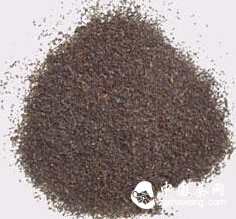
Generally describes lightly fermented broken black tea, a typical flavor characteristic of high-quality broken black tea. "Strong" means the tea infusion is rich in extractives, and when sipped, it feels thick and viscous on the tongue; "Pungent" refers to its strong stimulating sensation and a gripping feeling in the mouth. This type of tea is generally made from moderately plucked fresh leaves rich in content or large-leaf variety fresh leaves, using a broken black tea processing method with slightly lighter withering, sufficient cutting, and slightly lighter fermentation.
Tea examples: Assam black tea, Kenyan black tea.
3. Thick and Refreshing Type
Upon entry, the infusion is rich in content, with strong stimulating sensation and astringency. The taste is thick, and the aftertaste is sweet and refreshing. Generally, the raw material has good tenderness, thick leaves, and proper processing methods.
Tea examples: Lingyun Baihao, Nan'an Shiting Green, Shulu, Suilu, Dianhong, Wuyi Rock Tea, etc.
4. Strong and Mellow Type
High-quality Congou black tea, Maojian, Maofeng, and some oolong teas belong to this type. Upon entry, it feels rich in content, with a stimulating sensation but relatively mild, weaker than the thick and refreshing type but stronger than the mellow and thick type. The aftertaste is sweet or refreshing.
Tea examples: High-quality Congou black tea, Maojian, Maofeng, and some oolong teas belong to this type.
5. Mellow and Thick Type
"Mellow" means the flavor is still relatively strong, with a slight stimulating sensation but relatively mild, and the aftertaste is slightly sweet or refreshing; "Thick" refers to the thickness of the tea infusion. Green tea, black tea, and oolong tea made from fresh leaves of good intrinsic quality and proper processing techniques generally have this flavor profile.
Tea examples: Qimen black tea, Sichuan black tea, some Fujian black tea, Yongxi Huoqing, Gaoqiao Yinfeng, Guzhang Maojian, Lushan Yunwu, Shuixian, Sezhong, Tieguanyin, etc.
6. Mellow and Crisp Type
The flavor is neither too strong nor too light, neither bitter nor astringent, with a refreshing aftertaste. The fresh leaves have good tenderness, and processing is timely and proper.
Tea examples: Mengding Huangya, Huoshan Huangya, Moganshan Huangya, and medium to high-grade Congou black tea, etc.
7. Mellow and Mild Type
Not bitter or astringent, with a thick sensation, and the aftertaste is mild and weak, but the stimulating sensation is stronger than the plain type.
Tea examples: Medium-grade Congou black tea, Xiangjian, Tianjian (including Gongjian, Shengjian), Liubao tea.
8. Fresh and Strong Type
"Fresh" refers to a sensation like eating fresh fruit. This type has a fresh and strong flavor with a refreshing aftertaste. It is generally made from fresh leaves with high tenderness, thick buds, and processed timely and properly.
Tea examples: Huangshan Maofeng, Wuyuan Mingmei, etc.
9. Fresh and Mellow Type
The flavor is fresh and pure, with a fresh aftertaste. Most green tea, black tea, and white tea made from tender, fresh leaves processed in a timely manner fall under this type.
Tea examples: Taiping Houkui, Guzhu Zisun, high-grade Hongqing, Dabai tea, high-grade Qimen black tea, Yihong, etc.
10. Fresh and Light Type
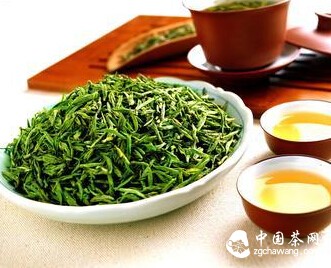
The flavor is fresh, sweet, and comfortable, but relatively light. This type of tea generally has lower levels of polyphenols, catechins, and water extract, with slightly higher amino acid content.
Tea examples: Junshan Yinzhen, Mengding Huangya, etc.
11. Clear and Fresh Type
Has a clear fragrance and a fresh, crisp taste. Famous high-quality green teas and black teas made from tender, carefully processed fresh leaves have this flavor.
Tea examples: Biluochun, Mengding Ganlu, Nanjing Yuhua tea, Duyun Maojian, Bailin Gongfu, and various Yinzhen teas, etc.
12. Aged and Mellow Type
Aged flavor with sweetness. The fresh leaves are still tender, and the processing involves a wet-piling aging process.
Tea examples: Pu'er tea, Liubao tea, etc.
13. Sweet and Mellow Type
The flavor is sweet and mellow, with a fresh-sweet sensation. Sweet-mellow, sweet-mild, sweet-crisp all fall under this type. The raw material is tender and fresh, and processing is meticulous.
Tea examples: Anhua Songzhen, Enshi Yulu, white tea, small-leaf Congou black tea, etc.
14. Plain Type
Many teas belong to this flavor type. Generally, the taste is plain, with a sweet sensation, not bitter or astringent. The raw material is generally older, with more than half of the buds and leaves already matured, and processing is normal.
Tea examples: Light and normal low-grade black tea, green tea, oolong tea, as well as medium-low grade yellow tea and medium-grade dark tea.
Based on the taste characteristics of the above flavor types, combined with the origin and processing characteristics of different tea types, we can compare these fourteen flavor types by tea category, as shown in the table below:
Comparison Table of Main Flavor Types for Different Tea Categories

Note: The above table is a basic reference. Depending on the tea type and processing, the flavor may vary.