Nine Must-Drink Teas in Autumn: Best for Moisturizing the Lungs, Removing Dryness, and Promoting Health and Beauty
1. Oolong Tea
People who often drink tea know that in summer, it is best to drink green tea, in autumn, it is suitable to drink oolong tea, and in winter, dark tea is the best choice. Drinking green tea in summer can relieve summer fatigue. Green tea can clear heat, detoxify, and lower blood lipids. Oolong tea is between green tea and black tea, with a mild tea nature that is neither cold nor hot, making it suitable for autumn consumption.
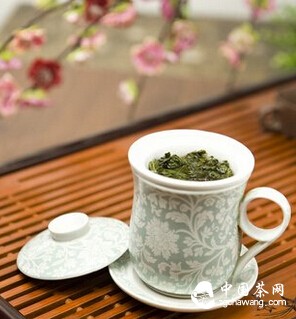
Oolong tea is a semi-fermented tea that contains almost no vitamin C but is rich in iron, calcium, and other minerals. It contains enzymes that promote digestion and break down fats, which can inhibit fat absorption and make it difficult for excess sugar to turn into fat. Therefore, oolong tea has earned the reputation of being a "negative-calorie drink." Long-term consumption can not only lower cholesterol but also help with weight loss and fitness.
It is best to brew oolong tea using a professional purple clay pot or a covered bowl, and always use boiling water at 100°C. The amount of tea leaves used is relatively large, usually half or more of the pot or bowl. After adding the tea, cover it. When brewing oolong tea, keep a kettle of boiling water nearby. As soon as the water boils, pour it in. The first infusion should be discarded, and the discarded water can be used to rinse all the cups. Then, pour boiling water again and let it steep before drinking. Oolong tea can be brewed multiple times, with high-quality tea able to be brewed 7–8 times. The steeping time should increase gradually, ranging from 2 to 5 minutes.
2. Chrysanthemum Tea
September has arrived, and it is the season for fresh chrysanthemums. Although autumn has come, there is still some lingering warmth. Drinking chrysanthemum tea to clear heat and reduce internal heat is very suitable at this time. Chrysanthemums are rich in vitamin A, an important nutrient for eye health, and are a good remedy for various eye diseases in traditional Chinese medicine. Therefore, chrysanthemum tea has excellent eye care benefits. Drinking it in the dry autumn season also helps to moisturize and clear heat. Chrysanthemum tea can help refresh the mind and brighten the eyes, especially for those with liver fire or dry eyes caused by excessive screen time. People who often feel dry eyes, especially those who use computers frequently, may benefit from drinking more chrysanthemum tea.
Although chrysanthemum tea has certain health benefits, it should not be consumed excessively. It is best not to drink it for more than five consecutive days, and each time, five chrysanthemum flowers are enough. Generally, it can be brewed 5–7 times. Some people like to add rock sugar or honey to chrysanthemum tea to make it sweeter. Experts believe that adding an appropriate amount of rock sugar or honey to adjust the taste is acceptable, but for diabetic patients or those with high blood sugar, it is best not to add any sweeteners. Also, people with weak spleen and stomach should avoid adding sugar, as overly sweet tea can cause a sour taste in the mouth and increased saliva, leading to discomfort.
In addition to brewing chrysanthemum tea directly with boiling water, it can also be paired with other ingredients to achieve different tastes and health benefits. Chrysanthemum tea with hawthorn can help reduce fat and blood pressure, making it suitable for obese or hypertensive patients. Chrysanthemum tea with honeysuckle can help prevent wind-cold colds and sore throats. Chrysanthemum tea with goji berries can clear the liver and brighten the eyes, making it suitable for students and office workers who stay up late studying or working.
3. Lily Tea
In autumn and winter, dry throats and coughs are common, so it is important to focus on "nourishing yin." From a traditional Chinese medicine perspective, lily tea is a good choice for nourishing yin. Lily has the effects of reducing internal heat, calming the mind, and moistening the lungs to resolve phlegm. It is effective for treating yin deficiency coughs,上火痰多, and insomnia. Lily is rich in nutrients such as protein, calcium, phosphorus, iron, fat, starch, vitamins, and alkaloids, all of which are beneficial to human health.
From a medicinal perspective, lily tea has many health benefits. Drinking lily tea can help relieve irritability, calm the mind, benefit intelligence and courage, moisten the lungs, resolve phlegm, clear heat, and stop coughs. In traditional Chinese medicine, lily is often used to treat coughs and tuberculosis caused by weak lungs and body deficiency. Additionally, for those suffering from insomnia and excessive dreaming, drinking lily tea can improve sleep quality.
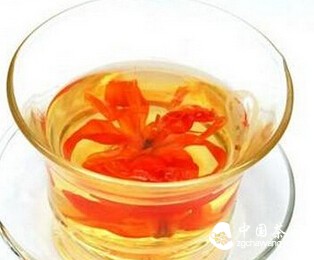
Using lily flowers and honeysuckle with rock sugar, slowly simmered to make lily and honeysuckle tea, can help combat throat discomfort, coughs, and internal heat caused by dry weather. Alternatively, prepare 2 grams of lily flowers, 3 grams of green tea, and 10 grams of rock sugar, and brew with boiling water. This tea can moisten the lungs, reduce internal heat, calm the mind, relieve nervous tension, and reduce the risk of cell mutation.
4. Honeysuckle Tea
Fragrant honeysuckle is an ancient Chinese medicine, renowned as the "little fairy of the pharmacy." According to traditional Chinese medicine records, honeysuckle is cold in nature and sweet in taste. Its sweetness and coldness can clear heat without harming the stomach, and its aromatic properties can expel pathogens. It can both disperse wind-heat and clear heat and detoxify. It is effective for treating various febrile diseases, such as fever, rashes, carbuncles, sore throats, and heat-toxic bloody dysentery.
Honeysuckle has a strong effect of clearing heat and detoxifying, relieving sore throats and irritability. Drinking honeysuckle tea in autumn can also help prevent colds that are common during seasonal transitions.
It is recommended to use a glass tea set to brew honeysuckle tea. When brewing, the amount of honeysuckle should be determined by the size of the cup, typically around 2–3 grams. After placing the honeysuckle in the cup, pour boiling water over it and cover the cup to prevent the aroma from escaping. After about three minutes, the honeysuckle tea is ready. Lifting the lid, you can smell the fragrant aroma of honeysuckle tea, which is refreshing and uplifting.
5. Tremella Tea
Tremella is rich in colloids, various vitamins, 17 types of amino acids, and liver glycogen. It contains an important organic phosphorus compound that helps relieve muscle fatigue. Known as the "king of fungi," tremella is both a famous nutritious tonic and a strengthening supplement. It was historically regarded by royalty as a "longevity food" and "elixir of immortality." Regular consumption of tremella soup can help women achieve smooth skin, remove freckles, and whiten the complexion. Tremella is also rich in dietary fiber and plant-based collagen, making it a weight-loss food that promotes gastrointestinal motility, reduces fat absorption, and helps maintain a slim figure.
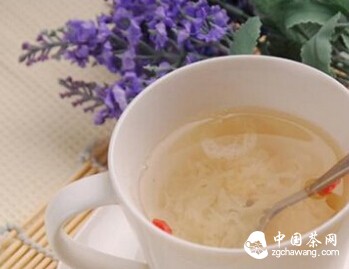
This tea has the effects of nourishing yin, reducing internal heat, moistening the lungs, and stopping coughs. It is especially suitable for yin deficiency coughs. Tremella is a dual-purpose medicinal and edible tonic, containing about 10% protein, 65% carbohydrates, and 4% inorganic salts, as well as vitamin E, phosphorus, iron, calcium, magnesium, potassium, and sodium. Medicinally, it nourishes yin, moistens the lungs, nourishes the stomach, and promotes fluid production. Tremella paired with rock sugar enhances its ability to nourish the lungs, stop coughs, and resolve phlegm. Combined with tea, it helps eliminate phlegm and dampness while providing anti-inflammatory effects.
You can use 20 grams of tremella, 5 grams of tea, and 20 grams of rock sugar. First, wash the tremella and simmer it with water and rock sugar until cooked. Then, brew the tea for 5 minutes and mix it into the tremella soup. Stir well and drink.
6. Goji Berry Tea
Goji berries have the effects of tonifying the kidneys, nourishing the liver and brightening the eyes, and moistening the lungs to relieve dryness. They can lower blood pressure, reduce blood lipids, and prevent arteriosclerosis. Additionally, goji berries have therapeutic effects on dizziness, tinnitus, blurred vision, and memory loss caused by liver and kidney deficiency. They are especially suitable for eye fatigue caused by prolonged computer use. Drinking goji berry tea frequently is very effective for combating autumn dryness and common health issues faced by office workers!
Goji berry tea has effects such as relieving fever, treating diabetes, and stopping coughs and phlegm. It also has benefits for treating physical weakness, cold sensitivity, stomach health, liver and kidney diseases, tuberculosis, constipation, insomnia, low blood pressure, anemia, various eye conditions, hair loss, oral inflammation, and skin care. The medicinal effects of goji berry tea are extensive, and long-term consumption of goji berries or goji berry tea has no side effects.
To prepare, simply add about a dozen goji berries to a cup and pour boiling water over them. Alternatively, use 2 chrysanthemum flowers, 8 honeysuckle flowers, 1 red date, 1 sterculia seed, 8 lotus seeds, 5 goji berries, 1 slice of American ginseng, 2 slices of tangerine peel, and an appropriate amount of rock sugar. Brew with boiling water and drink as tea. This is the amount for one day and can be brewed multiple times. This eight-treasure tea not only helps stabilize blood pressure but also promotes fluid production and moistens the lungs.
7. Ginger and Perilla Tea
As the weather turns colder, the stomach is prone to cramping, leading to diarrhea, nausea, and other symptoms. People with thinner bodies usually have thinner stomach walls, making them more susceptible to spasms and stomach pain or indigestion during temperature changes. Therefore, people with a "bean sprout" body type should pay extra attention to warming and protecting their stomach. If possible, drink a cup of ginger and perilla tea in the morning and evening.
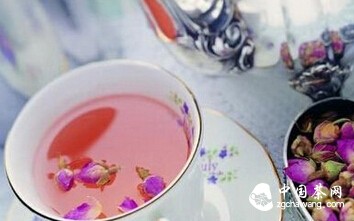
This tea has the effects of dispersing wind and cold, regulating qi and harmonizing the stomach. It is suitable for wind-cold colds, headaches, fever, nausea, vomiting, stomach pain, and bloating caused by gastrointestinal discomfort. This recipe uses tea as a medicine substitute, with few ingredients but precise effects. Ginger is pungent in taste and slightly warm in nature, entering the spleen, stomach, and lung meridians. It induces sweating, relieves exterior conditions, warms the middle burner, stops vomiting, warms the lungs, and stops coughs. Perilla leaf, also known as purple perilla leaf, has the functions of relieving exterior conditions, dispersing cold, promoting qi flow, and harmonizing the stomach. It is mainly used for wind-cold colds, coughs, chest and abdominal fullness, nausea, and vomiting.
Take 3 grams each of ginger and perilla leaves. Cut the ginger into thin strips, wash the perilla leaves, and brew with boiling water for 10 minutes. Drink as tea, twice a day, once in the morning and once in the afternoon.
8. Rose and Mint Tea
In autumn, withered grass, fallen leaves, and decaying flowers can easily lead to sadness, causing liver qi stagnation and spleen-stomach imbalance. People's emotions are prone to fluctuations during seasonal transitions. Roses are often loved by office women for their effects of promoting blood circulation, relieving blood stasis, and soothing emotions. Mint can dispel fatigue, making people feel refreshed. The sweet and pure fragrance of roses can balance the bitterness of mint, achieving a dual effect.
Take 4–5 dried rose buds and a small amount of mint. Place the dried roses and mint together in a cup, pour hot water over them, cover, and let steep for 10–15 minutes. Drinking it after it cools provides a better refreshing effect.
9. Siraitia Grosvenorii and Five-Flower Tea
Autumn is dry, and liver fire is prone to become active due to autumn dryness. How to reduce internal heat? Siraitia grosvenorii is more suitable for reducing internal heat in autumn. The fruit of siraitia grosvenorii has high nutritional value. The dried fruit has a total sugar content of 25.17–38.31%, especially sweet glycosides that are 300 times sweeter than cane sugar. Fresh fruit is also rich in vitamin C, protein, and amino acids. The fruit is sweet in taste and cool in nature, with effects of moistening the lungs, clearing heat, reducing summer heat, promoting fluid production, and stopping coughs. It can treat obesity, diabetes, bronchitis, tonsillitis, pharyngitis, acute gastritis, asthma, and other conditions. It is also an excellent ingredient for beverages and seasonings.
Siraitia grosvenorii and five-flower tea has the functions of removing phlegm fire and relieving dryness and coughs. It is usually consumed after cooling and is more commonly drunk during seasonal transitions. This tea has a rich floral fragrance from the five dried flowers, which feels special to northerners. In hot summer, regular consumption can effectively promote fluid production, quench thirst, remove dampness, clear heat, moisten the intestines, and detoxify.
Rinse the siraitia grosvenorii with running water, and place it in a soup pot with brown sugar, honeysuckle, pueraria flower, egg flower, kapok flower, and pagoda tree flower. Add cold water to the pot, bring to a boil over high heat, then reduce to low heat and simmer for about 2 hours. When the remaining soup in the pot is only about one-third of the original amount, strain out the tea residue and serve.