1. Varieties of Tea and Their Drinking Characteristics
Depending on the processing and production methods, tea can be divided into several varieties: green tea, black tea, oolong tea, scented tea, brick tea, and bagged tea.
1. Those who regularly drink green tea know that the new tea of the year, especially "pre-Qingming tea" (tea picked before Qingming Festival), is the top choice.
Green tea is more suitable for drinking in summer, as it can help cool down and relieve heat.
Famous Chinese green teas include: Longjing tea from Hangzhou's Longjing, Biluochun from Taihu Lake's Dongting Mountain in Jiangsu, Huangshan Maofeng from Huangshan in Anhui, Junshan Yinzhen from Dongting Lake's Qingluo Island in Hunan, Lu'an Guapian from Qiyun Mountain in Anhui, Xinyang Maojian from the Dabie Mountains in Henan, and Duyun Maojian from the Duyun Mountains in southern Guizhou.
2. The production method of oolong tea lies between green tea and black tea; it is a semi-fermented tea. The leaves are large and loose, with the edges fermented and the center unfermented, giving it a dark brown appearance.
After brewing, oolong tea has a rich, clear color and a fragrant aroma. Drinking it not only helps cut through grease but also invigorates the stomach and refreshes the mind.
Most Chinese oolong teas come from Fujian, the most famous being Tieguanyin from Anxi County and Wuyi Rock Tea from Mount Wuyi in Fujian.
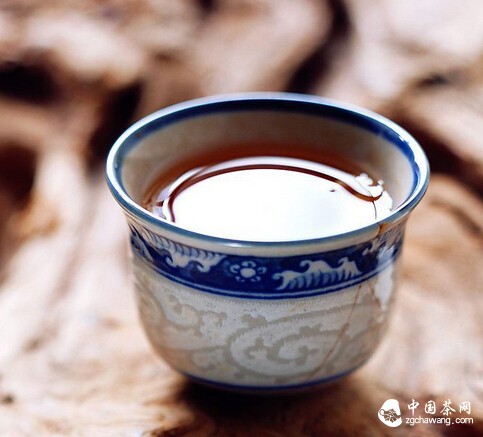
3. The production method of black tea is the opposite of green tea; it is made by withering fresh tea leaves and allowing them to fully ferment before baking. Before brewing, the leaves appear glossy and dark. After brewing, it has a unique rich aroma and a refreshing taste, and it can warm the stomach, replenish energy, and enhance alertness.
Black tea is warming in nature and is suitable for drinking in winter.
There are many varieties of black tea produced in China, the most famous being Qimen Hongcha (Keemun black tea) from Qimen County in Anhui. Other examples include Dianhong tea from Xishuangbanna in Yunnan.
4. Scented tea, also known as flavored tea, is made by scenting green tea with various fragrant flowers. Its greatest feature is its strong fragrance after brewing, with a rich and fresh taste. It can be drunk all year round.
Scented teas can be divided into jasmine tea, osmanthus tea, rose tea, white orchid tea, pearl orchid tea, Milan flower tea, and many others. Among them, jasmine tea is the most popular.
5. Bagged tea is not a specific variety of tea, but a convenient form of packaging. Green tea, black tea, oolong tea, or scented tea—sometimes with added supplements or medicinal herbs—are packaged in paper bags. To drink, simply place the bag in a cup and add hot water. Bagged tea is a convenient way to enjoy tea.
6. Brick tea, also called tea brick, is made by compressing tea leaves into a brick-like shape. It is particularly popular among some ethnic minorities, and it tastes especially good when boiled with milk and sugar.
According to drinking habits, southern Chinese prefer green tea, northern Chinese prefer scented tea, people in the southeastern coastal areas prefer oolong tea, while Europeans and Americans prefer black tea, especially bagged black tea.
2. How to Choose Tea Utensils
When drinking tea, the choice of tea utensils varies depending on the type of tea. However, under normal circumstances, you will need utensils for storing tea, brewing tea, and drinking tea.
The basic requirements for tea storage are: moisture-proof, light-proof, heat-insulated, and odor-free. To store high-quality tea, it is best to use special tea canisters made of aluminum, tin, or bamboo. Avoid glass or plastic containers, and do not store tea for long periods in paper packaging.
For those who are particular about tea drinking, the choice of brewing utensils is also very important. In more formal settings, the utensils for brewing and drinking are often separate. The most common brewing utensil is the teapot, usually made of purple clay (zisha) or ceramic.
Drinking utensils are mainly teacups and tea bowls. Using a teacup is the most common and formal method. Using a tea bowl is often seen in traditional tea houses.
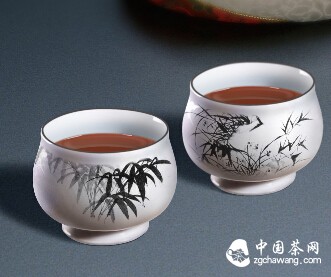
To bring out the pure flavor of the tea, teacups should be made of purple clay or ceramic. If you want to appreciate the shape of the tea leaves and the clarity of the tea liquor, you may also use glass teacups. It is best not to use enamel cups.
If using a teapot along with teacups, it is best if they match for a harmonious and aesthetic appearance. Avoid mixing and matching randomly. If using multiple teacups, also pay attention to coordination. Do not use chipped, cracked, stained, or dirty teacups to serve guests.
3. The Procedure for Serving Tea
Do not prepare the tea in front of the guests. Even if you do, do not scoop the tea leaves with your hands. Use a tea scoop, or pour the tea leaves directly from the canister into the teapot or cup.
When serving tea to guests, the most important points are to consider the guest's preferences, the rules for serving tea, the method of offering tea, and the timing for refilling water. If possible, prepare several types of tea so that guests can choose.
Before serving tea, ask the guest whether they would like tea or another drink. If they prefer tea, ask which type, and offer a few options. Do not assume or force your choice on them.
If only one type of tea is available, inform the guest in advance. From a medical perspective, tea should not be too strong, unless the guest specifically requests it. When serving tea to guests, it is customary to serve it hot and fill the cup only seven-tenths full.
There is also a saying: "Filling a cup to the brim is rude to the guest." When serving tea, who offers the tea to the guest often reflects the degree of respect shown. At home, it is usually a younger family member or a household helper who serves the tea.
When receiving important guests, it is best for the hostess or the host themselves to serve the tea. At work, it is usually the secretary or receptionist who serves tea. For important guests, the highest-ranking person present should serve the tea.
If there are many guests, the order can follow: guests before hosts, principal guest before secondary guests, women before men, elders before juniors. Alternatively, you may start from the entrance and serve clockwise, or serve guests in the order they arrived. Another "lazy" method is to brew all the tea and let guests serve themselves.
When speaking with others, it is best not to drink tea. If you must, the polite way is to take small sips. Do not swallow the tea leaves. If you accidentally get leaves in your mouth, do not spit them out or pull them out with your fingers. Swallow them or discreetly remove them elsewhere.
If the host sincerely wishes to treat guests with tea, the most appropriate practice is to frequently refill the teacups. This gesture means: "Take your time drinking and chatting." In the past, there was a saying: "Do not serve more than three cups of tea." The first cup is the welcome tea, the second is the refill, and the third is the farewell tea. If you keep urging someone to drink tea without speaking, it often implies that the guest should think about leaving.
Therefore, when serving tea to elderly guests or overseas Chinese, do not repeatedly refill their cups. When refilling tea, do not disturb the guest. Hold the teacup away from the guest's body, seat, and table, and pour the water with the other hand. It is best not to refill tea in front of the guest.