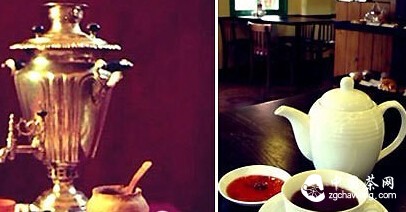
For a long time, there has been a saying that tea can counteract alcohol. Some people believe that tea has a diuretic effect, and drinking tea after intoxication can increase urination, thereby removing some alcohol that has been absorbed or not yet absorbed by the body, achieving a sobering effect. Others believe that tea can stimulate the brain, and drinking tea after intoxication can wake up a drowsy mind. Is this really true?
In fact, this claim is incorrect. Scientific research shows that tea not only cannot help with sobering up but can also worsen intoxication. Why is this? Because tea contains theine, which has strong diuretic effects. Drinking tea after intoxication can stimulate the kidneys, causing rapid urination, which allows alcohol that has not yet been oxidized to enter the kidneys prematurely. Under the combined effects of theine and alcohol, kidney function is further damaged. At the same time, both tea and alcohol strongly stimulate the cardiovascular and nervous systems, increasing heart rate, dilating blood vessels, and speeding up blood flow, thereby increasing the burden on the heart.
Therefore, please avoid drinking tea, especially strong tea, after intoxication!
Tips:
1. Drink tomato juice for dizziness after drinking
Tomatoes have the effect of lowering the concentration of alcohol in the blood. Drinking freshly squeezed tomato juice after drinking can help you feel more sober. Additionally, when squeezing fresh tomatoes, you can add a small amount of salt, as salt itself has a calming effect and can stimulate the acidity of tomatoes, making the tomato juice more effective for counteracting alcohol.
2. Eat ginger for quick sobering up
Peel the ginger and cut it into slices, then chew it directly in your mouth. The spicy taste of ginger can help you sober up quickly and get into a good state.