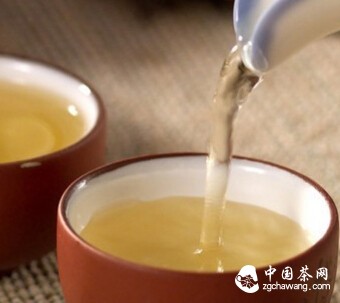
Research results show that people with a long-term tea drinking habit (drinking tea at least once a week for over half a year) have significantly lower body fat percentage than those who do not drink tea, and their abdominal fat is also less. Moreover, the longer the tea drinking habit, the more obvious the fat-burning effect. In particular, people who have been drinking tea for more than 10 years have about 20% less body fat and about 2.1% less abdominal fat compared to non-tea drinkers; the effect is even more significant in women: a reduction of 30% and 5% respectively.
So, if you haven't developed the habit of drinking tea yet, start now! Drink more tea, anytime!
However, do you know the wonderful uses of tea residue after drinking tea?
Tea residue refers to the crushed bits of tea leaves or used tea leaves. Tea residue can be used as fertilizer, improving soil fertility and structure, and reducing the volatilization loss of inorganic nitrogen fertilizer. It is a good organic fertilizer.
Tea residue has many other little-known wonderful uses.
There are two types of tea residue: one is crushed tea leaves, and the other is used tea leaves. Tea residue can be used as fertilizer. Used tea contains 4.16% nitrogen, 0.43% phosphorus pentoxide, 1.44% potassium oxide, 28.1% organic carbon, and a carbon-to-nitrogen ratio of 6.19. After composting tea residue, the content of ammonium nitrogen and nitrate nitrogen increases rapidly. Therefore, applying fermented tea residue or tea grounds to the soil not only improves soil fertility and structure but also inhibits the nitrification of ammonium nitrogen fertilizers such as ammonium sulfate and urea, reducing the volatilization loss of inorganic nitrogen fertilizer. It is a good organic fertilizer.
Tea residue can be used for the following purposes:
● Wet tea leaves can remove fishy and onion odors from containers.
● They can be used to cook tea eggs, which are fragrant and delicious.
● Dried used tea leaves can be spread in damp places to absorb moisture, as tea has strong adsorption properties.
● Dried used tea leaves can also be put into pillowcases as pillow filling. They are very soft, help reduce internal heat, and have a supplementary therapeutic effect on people with high blood pressure and insomnia. However, this kind of tea pillow is prone to moisture and needs to be dried frequently.
● Sprinkle tea leaves on carpets or rugs and then sweep them away with a broom; the tea leaves will carry away all the dust. The adsorption effect of tea not only absorbs moisture but also traps dust.
● Soak used tea leaves in water for several days, then water plant roots with the liquid to promote plant growth. However, it is best not to pour tea leaves directly into flower pots, as they are difficult to clean up, will rot, produce odors, and attract insects.
● Used tea leaves can also be used to feed newly hatched silkworms.
● Dry tea leaves and burn them in toilets or ditches to eliminate bad odors and repel mosquitoes and flies. Some mosquito repellent incense manufacturers even add tea to their products.
● Dried used tea leaves can be used as insoles to absorb sweat and reduce foot odor.
● Soak a burned finger in used tea to relieve the burning pain.
● After eating raw onions or garlic, chewing a small amount of used tea leaves can gradually eliminate the odor.
● Gargling with leftover tea after meals can wash away harmful microorganisms. Moving the tea around in the mouth can remove dental plaque, improve the function of the lip muscles and oral mucosa, and enhance the teeth's resistance to acid and decay.
● Use used tea to wipe mirrors, glass, doors, windows, furniture, plastic boards, and mud stains on leather shoes; it has a good cleaning effect.
● Place used tea or tea residue at the bottom of the refrigerator to effectively eliminate odors.
● Washing hair with tea water over time can make hair black and shiny.
● Oil stains on dark-colored clothes can be removed by scrubbing with used tea leaves. Heating used tea can also eliminate irritating smoke smells.