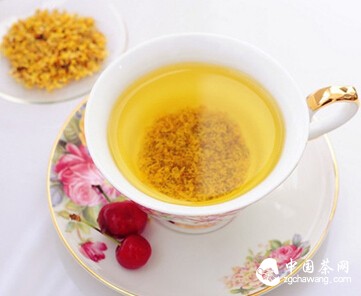
Osmanthus Tea method: Add 7–10 dried osmanthus flowers with an appropriate amount of black tea and brown sugar, then brew with hot water. Traditional Chinese medicine believes that osmanthus has significant medicinal value, and wine made from osmanthus is said to grant longevity. Osmanthus is warm in nature and pungent in flavor, entering the lung and large intestine meridians. Taken as a decoction, tea, or infused in wine, it helps warm the middle, dispel cold, relieve stomach pain, and resolve phlegm and blood stasis. It is effective for loss of appetite, phlegm-induced cough, hemorrhoids, dysentery, and menstrual pain caused by cold. Black tea is warm in nature, aids the spleen and stomach, and promotes digestion. Brown sugar nourishes qi and blood, warms the spleen and stomach, dispels wind and cold, and invigorates blood circulation. It is especially suitable for postpartum women, children, and those with anemia. Therefore, people with weak and cold spleen and stomach can appropriately drink osmanthus tea to warm the stomach. However, those with stomach heat symptoms such as burning pain, dry mouth, hunger without appetite, yellow urine, and sticky stools should not consume it.
Besides drinking osmanthus tea, you can mix osmanthus with pure lotus root starch and sugar to make a delicious and appetizing osmanthus lotus root paste. Alternatively, boil high-quality small jujubes with sugar, and when the liquid is almost gone, add osmanthus to make spleen-strengthening and appetite-promoting osmanthus honey jujubes.