Green Tea: Replenish Fluids and Reduce Internal Heat
During the dog days of summer, high temperatures can easily lead to dehydration, so drinking plenty of water is the best way to prevent heatstroke. Shen Yanying says that when rehydrating, you can choose to drink some green tea. Because the human body loses not only water but also many electrolytes during the dog days. Green tea not only has the effect of clearing heat and reducing internal heat but also contains various vitamins and minerals that can quickly replenish lost electrolytes, thereby maintaining the body's fluid balance. In addition, green tea can eliminate fatigue and refresh the mind. If you are not suitable for drinking tea, you can add a little salt to plain water, or replenish fluids by eating watermelon, drinking mung bean soup, etc. However, mung beans are cool in nature, so children should not consume them in large quantities.

Mung Beans: Remove Dampness and Strengthen the Spleen
The hot and humid weather during the dog days can easily lead to spleen deficiency, so attention should be paid to strengthening and protecting the spleen. Shen Yanying indicates that the diet should be light, and mung beans have the effect of strengthening the spleen. You can appropriately drink some mung bean porridge to remove dampness and strengthen the spleen. Traditional Chinese medicine also believes that mung bean soup has therapeutic effects such as relieving summer heat, boosting energy, clearing heat, and detoxifying. It is effective for mild heatstroke, dizziness, headache, chest tightness, shortness of breath, lack of sweating, and irritability. In addition, you should appropriately eat more fruits and vegetables, especially those high in vitamins, such as tomatoes, watermelon, and cucumbers. People with solar dermatitis need to note that they should eat less photosensitive foods during this season, such as celery and spinach, because these foods accelerate the skin's sensitivity to light and worsen allergies to ultraviolet rays.
Fans: Cool Down Better Than Air Conditioning
Air conditioning can quickly lower the temperature, but frequent use of air conditioning can affect the body's sweating function. Yang Li told reporters that sweating is the body's self-regulating cooling process. Staying in an air-conditioned room for a long time will reduce the body's ability to regulate temperature, and the central regulation ability will decline, causing various discomforts. Therefore, it is best to use less air conditioning and replace it with fans to cool down. Opening windows more often to accelerate air circulation also helps cool down. Especially for the elderly, due to weakened body functions and limited temperature regulation ability, they should use less air conditioning and carry a fan when going out. It is also worth noting that even if you use air conditioning, do not keep it on all day and night. You can turn it on for a while and then turn it off. The temperature should not be set too low, ensuring that the indoor and outdoor temperature difference does not exceed 7°C. At the same time, avoid letting the air conditioner blow directly on your body.
Cotton Clothing: Strong Sweat-Wicking Ability
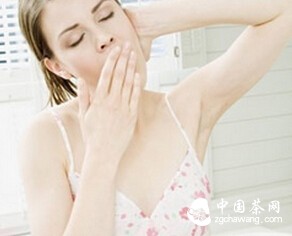
According to research, whether summer clothes feel cool is closely related to their sweat absorption capacity. Cotton clothes are not only comfortable and soft but also have very strong sweat absorption ability. Therefore, wearing cotton clothes in summer can accelerate the absorption of sweat from the body, quickly bringing out the body's heat, thereby achieving the effect of lowering body temperature.
However, clothes should not be too tight; loose clothes also allow sweat to quickly leave the skin surface. Dark-colored clothes absorb more heat, so you can choose lighter-colored clothes, such as white, light yellow, light pink, and light blue. When sleeping, do not go bare-chested; wear pajamas to protect the abdomen and prevent "wind evil" from entering the body and damaging the internal organs. It should be noted that wearing less does not necessarily mean feeling cooler. When the temperature is above 37°C, the skin cannot dissipate heat but instead absorbs heat from the outside. Therefore, to some extent, men should not go out bare-chested in summer, and women should not wear too short skirts.
Warm Showers: Cool Down Better Than Cold Showers
When the weather is hot, many people choose to cool down by showering directly with cold water, but this is not the right approach. Zhuang Qianzhu stated that during the dog days, the body temperature is high, the pores are in an open state, and the metabolism rate is faster. Taking a cold shower directly will cause the skin surface temperature to drop suddenly, pores to close, blood vessels to contract suddenly, and body heat cannot be dissipated. After washing, it not only fails to relieve fatigue but may also cause weakness in the limbs, soreness in the shoulders and knees, and even induce arthritis and chronic gastroenteritis. Therefore, it is best to take a warm shower during the dog days, with a water temperature of 35°C to 37°C being optimal. This temperature is slightly higher than the skin temperature but lower than the body temperature, making it very suitable for cooling down and dissipating heat.
However, it is important to note that some elderly people are very afraid of catching cold and therefore use hot water to wash, which is also incorrect. If the temperature is too high, it will reduce the oxygen content in the bathroom, leading to fainting due to hypoxia. Therefore, using warm water for bathing is best.
Swimming: The Best Heat-Avoiding Exercise
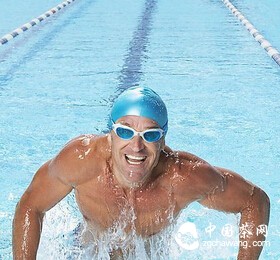
As the saying goes, "exercise during the dog days," but it does not mean exercising regardless of time, place, and conditions. The human body consumes a lot of energy in summer, and exercise methods such as running, playing ball, and climbing mountains must be done within one's limits. It is best to engage in some "low-key" exercises that can achieve exercise effects without causing discomfort. Experts recommend swimming because water's heat dissipation ability is 15 times higher than that of air. When swimming, the human body can maintain a constant body temperature and is less prone to heatstroke.
In addition, attention should also be paid to the timing of exercise in summer. Exercising outdoors when the temperature is high and the sun is strong not only makes you prone to sunburn but also increases the risk of heatstroke and dehydration. Therefore, it is best to choose early morning or evening for outdoor exercise, when the temperature is relatively low and the sun is not so strong. During exercise, remember to replenish water in small amounts multiple times, drinking 100 ml to 150 ml of water every 10 to 15 minutes.