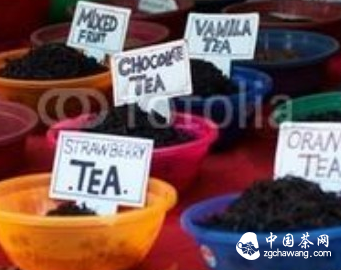
Article introduction: The flavors of various teas are different. Today, let's learn about the related flavors!
Green Tea
Also known as unfermented tea. Green tea is the oldest type of tea. It is made from fresh tea shoots through typical processes such as fixation, rolling, and drying. Since there is no fermentation process, green tea retains more natural substances from the fresh leaves. The dry tea leaves, as well as the brewed tea liquor and tea leaves, are primarily green in color. China has the most varieties and the largest production of green tea. Famous green teas include Longjing, Biluochun, and Huangshan Maofeng.
Black Tea
Chinese black tea is fully fermented and is divided into three types: Gongfu tea, Souchong black tea, and broken black tea. The dry tea leaves and the brewed tea liquor are mainly reddish-brown in color. The production of this type of tea includes typical processes such as withering, rolling, fermentation, and drying. Due to fermentation, the chemical components in the fresh leaves undergo significant changes, producing many new compounds. The aroma substances increase from over 50 in fresh leaves to over 300. This gives black tea a sweet and mellow taste and a long-lasting quality. Black tea is the most popular tea in Southeast Asia and Europe. Representative teas include Qimen Hongcha, Dianhong, Lapsang Souchong, and Lychee Black Tea.
Oolong Tea
Also known as oolong tea, it is semi-fermented. Oolong tea combines the production methods of green tea and black tea, with fermentation degrees ranging from 15% to 75%. The brewed oolong tea is known for its green leaves with red edges. Its quality lies between green tea and black tea, possessing both the rich, fresh flavor of black tea and the clear fragrance of green tea, with an exceptionally strong and mellow taste. Oolong tea is unique to China, mainly produced in Fujian, Guangdong, and Taiwan. Representative teas include Qingcha, Dongding Oolong Tea, Tieguanyin, and Wuyi Rock Tea.
White Tea
White tea is a specialty of Fujian Province, China. Since it is neither fried nor kneaded during processing, but only sun-dried or oven-dried, the white downy hairs on the surface are preserved, giving it a white appearance. White tea has plump buds, tender and even leaves, a refreshing taste, and a lighter tea liquor color compared to other teas. White tea is cooling in nature and is most effective for reducing heat and fire. Representative teas include Baihao Yinzhen, Baimudan, Gongmei, and Shoumei.
Yellow Tea
Yellow tea is a lightly fermented tea, characterized by its yellow leaves and yellow liquor. Yellow tea has tender buds and leaves, and a fresh and mellow aroma. The brewed tea leaves rise and fall in the tea liquor, creating a beautiful rhythmic motion. This yellow color is mainly the result of the "piling and yellowing" process during tea production. Representative teas include Junshan Yinzhen, Beigang Maojian, Huoshan Huangya, and Mengding Huangya.
Dark Tea
Dark tea generally undergoes a longer period of piling and fermentation, resulting in a dark brown leaf color. Aged dark tea is considered the best. It has a mellow flavor and is a daily necessity for ethnic minorities in China. Dark tea is produced in a wide area with many varieties and unique shapes, such as Qing brick tea, flat tea, square tea, and round tea. Representative teas include Pu'er tea, Lu'an tea, Hei Zhuan tea, and Yunnan tea.
Scented Tea
Also known as smoked tea, fragrant tea, or flavored tea. It is made by mixing refined tea leaves with fragrant flowers and using certain processing methods to allow the tea to absorb the fragrance of the fresh flowers. Depending on the flowers used, there are jasmine, gardenia, chloranthus, Daidai, osmanthus, rose, and pomelo scented teas. Usually, baked green tea is used as the base due to its strong ability to absorb fragrance, allowing the tea and flower aromas to blend together. Main production areas include Fujian, Zhejiang, Anhui, and Jiangsu provinces.
Due to different processing methods, the biological components of various teas differ. These components determine the differences in color, aroma, and taste of the tea. For example, unfermented green tea retains over 85% of its tea polyphenols and caffeine, about 50% of its chlorophyll, and little loss of vitamins. These natural substances are particularly effective in anti-aging, anti-cancer, sterilization, and anti-inflammation, making green tea superior to other types in these aspects. During the fermentation of black tea, tea polyphenols undergo chemical changes.