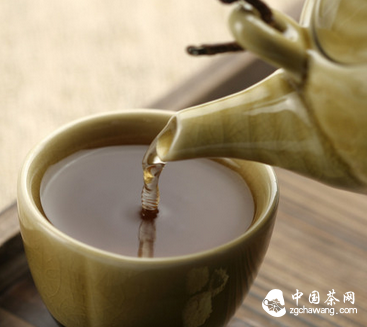
In spring, I went to plant trees on the mountain covered with thatch and vervain. As my silver hoe dug into the yellow earth and lifted up, the tangled grass roots turned out. When I was a child, I was a little cowherd, born with a gluttonous nature, but there was nothing to eat. So, during my idle time herding cattle, I would carry a small hoe about a foot long and dig them up to eat. Thatch roots grow underground, never seeing sunlight; they are plump and robust, snow-white and translucent. Especially those that look like a pregnant yellow eel—they are full of juice, and when you bite down, they squirt out, sweet and mellow, sweeter than candy. When I saw thatch roots again, it felt like meeting an old friend from home, so I dug up a big handful. An elder sister saw this and asked, "Are you taking them back to brew tea?" Can this also be made into tea? The elder sister said, "Thatch root as tea is especially good for clearing internal heat and works wonders for gingivitis." Living day in and day out in a world of heat and cold, I often have a belly full of fire, so I took the thatch roots home and boiled them in an earthen pot for tea. The tea was no longer sweet but slightly bitter. After drinking it three or five times, the gingivitis indeed improved. These thatch roots have the flavor of Chinese medicine.
My understanding of tea used to be too narrow—I thought one had to shave their head to be a monk, sit cross-legged on a grass mat to attain Zen, and drink only what comes from tea plants to call it tea. But that was a mistake. Is benevolence far away? When I desire benevolence, it is already here. Is Zen far away? When I desire Zen, it is already here. Benevolence is everywhere, and Zen is everywhere. If someone quarrels with you, just shut your mouth and walk away—that is benevolence, that is Zen. You don't necessarily have to go to Guanyin Temple. I have often drunk tea that is not tea. When I was about three to eight years old, I played house with the boys and girls, simulating the entire wedding process, from pouring tea to entering the bridal chamber. For the tea-pouring engagement, we used dried sweet potato leaves, which are round and look almost exactly like tea leaves, with the same brownish color. We brewed them in an earthen pot, and it was steaming hot, extremely bitter, with a tongue-coating astringency. We drank it in big gulps and laughed loudly. The dried sweet potato leaves were fake tea, and my childhood was almost a fake childhood. Childhood is supposed to be carefree and sweet, but mine was bitter—of course it was fake. The taste of my childhood was the taste of dried sweet potato leaves; my childhood was a cup of bitter tea.
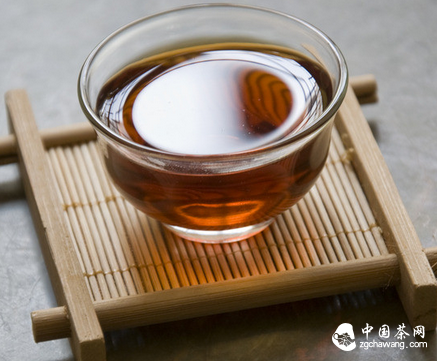
Actually, many of the teas I have drunk were not tea. My hometown is in a remote mountain village, where the mountains are full of trees, leaves, grass, and flowers. Vines, creepers, flowers, and leaves—all can be made into tea. The most common one I drank was Gynostemma pentaphyllum. My mother would often cut whole baskets of it, dry it in the sun, wrap it up, and store it in a grain basket or rice bucket to keep it dry and mold-free. The extra she gave away, and the rest she boiled into tea. Later, I had Gynostemma tea produced by specialized tea factories, and the instructions claimed it had amazing medicinal benefits. I was delighted to read that—such good stuff, and I had eaten it like a cow eating grass, so much of it. That was indeed a rare blessing and fortune. Now, my wife often gives me houttuynia tea to drink. This herb is available at herbal shops, a big bunch for just a few yuan. In spring and summer, it's also sold in markets, but it's just fresh grass, very fishy, almost unbearable to smell. If you're not used to it, you simply can't drink it. Good medicine is bitter; bitterness is often well-intentioned. Houttuynia clears the eyes and moistens the spleen, functioning like a "fire extinguisher." When the nameless liver fire in your heart burns fiercely, drinking it as tea three to five times puts the fire out. Life is an endless source of liver fire, constantly sending sparks into people's hearts every day. Why is blood red? I think it's because the heart burns fire—blood and fire share the same color, giving us passion but also chaotic emotions. My wife, afraid that liver fire might harm people, is keen on buying tea for me, especially houttuynia to brew. Houttuynia isn't really good tea. But whether it's good tea or not, anything that brings a person lightness of body and clarity of mind is good tea.
I once went to Yanbian, near North Korea and Russia. The food in the northeast is vastly different from that in the south. As a southerner, I love spicy and sour food—no meal is complete without spice or sourness. But the dishes there were all sweet and greasy, and I couldn't swallow them. I almost didn't have a single full meal for half a month. However, the tea in Yanbian was refreshing. It wasn't leaves or slices but grains. The tea soup was light purple with a hint of red, yellow with a touch of crimson. When I drank it, it tasted like roasted wheat. I asked the landlady, and she said it was malt tea. After the wheat sprouts, you dry and roast them until they're brown, and that's malt tea. During every meal, I almost poured it into my rice, gulping down the rice and water together. Wen Yiduo once said, "My food is a pot of bitter tea." Mr. Wen was writing poetry, so it shouldn't be taken literally. But in my life journey, truly and honestly, my food is a pot of bitter tea.
Jasmine is tea, honeysuckle is tea, rose is tea. Can we say that all plants, in the form of flowers, leaves, grass, or roots, when steeped in boiling water, can be called tea? But in the end, tea shouldn't be so indiscriminate. Is poppy tea? Poisonous tree leaves cannot be tea. The situation is this: everything can be Zen, but letting go of desires is Zen; everything can be Buddha, but harboring benevolence is Buddha; everything can be tea, but benefiting the heart is tea.