1. Color
The color of Tieguanyin autumn tea gradually changes from the fresh and tender green of new tea to a dull grayish-yellow, and from the glossy dark color of new tea to a grayish-brown.
2. Taste
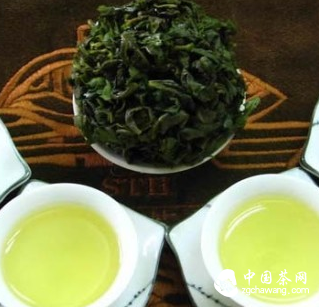
The ester compounds in Tieguanyin autumn tea oxidize, reducing the water-soluble active ingredients, which makes the taste from rich to weak. At the same time, due to the oxidation of amino acids in the tea, the fresh and brisk taste weakens and becomes dull.
3. Aroma
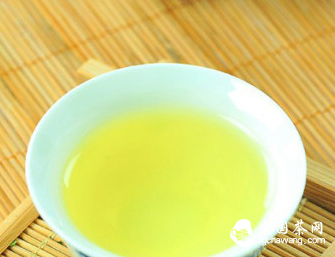
The aromatic substances in Tieguanyin autumn tea oxidize and volatilize, causing the tea to lose its fresh fragrance.
If you are not yet familiar with the above methods, there are other ways to distinguish Tieguanyin autumn tea:
1. Dry tea is tight and produces a crisp sound when thrown into a cup, indicating autumn tea.
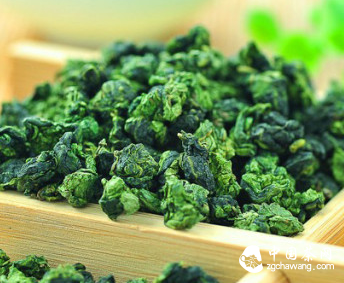
When identifying Tieguanyin autumn tea, take a small amount of dry tea and throw it into a covered cup. If it makes a crisp sound, it is autumn tea.
2. Dry tea is bright green and glossy, indicating autumn tea.
The color and glossiness of dry tea is also an intuitive identification method. Authentic Anxi Tieguanyin autumn tea has a fresh green color in dry leaves, making it easy to distinguish.
3. A fresh fruit-like fragrance indicates authentic autumn tea.
The most distinctive feature of authentic Tieguanyin autumn tea after brewing is the fresh fruit-floral aroma, also known as the "autumn tea fragrance." If this aroma is absent, it can generally be considered non-autumn tea.
4. Soft and concave wet leaves indicate authentic autumn tea.
Take out two or three leaves after several infusions, spread them out and examine them. If the leaf bottom is soft and concave, it can generally be identified as authentic Tieguanyin autumn tea.