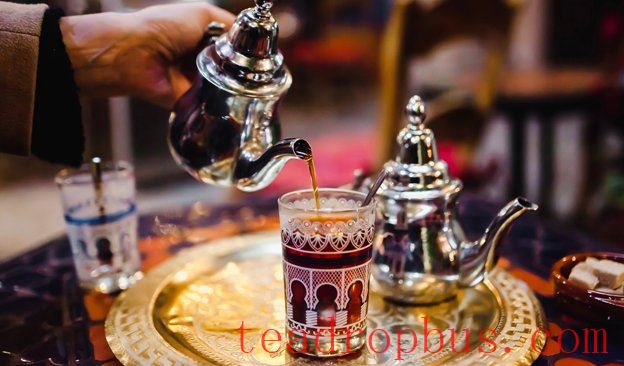
Despite its deep roots in tradition, Saudi Arabia’s tea market is being reinvented by health and wellness trends. Photo credit: Marco Elihu Castillo Ramirez
In Saudi Arabia, tea is the language of hospitality, anchoring family gatherings, Ramadan iftars, and neighborhood cafes from Riyadh to Jeddah. The tradition of serving karak, a richly aromatic sweet tea brewed with milk and spices, remains deeply rooted across the Kingdom. Yet habits are quietly shifting. A young, health-minded generation is reaching for green, herbal, and lower-sugar ready-to-drink options, while new regulations and packaging innovations change what appears on shelves. For blenders, brand owners, and packaging suppliers, understanding how a cherished tradition is being reinvented has become essential to winning over future Saudi tea drinkers.
Where Tradition Still Sets the Table
Tea first reached Arab lands along Silk Road trade routes by the ninth century, and Ottoman rule helped spread it further. In the Kingdom, black tea's rise is traced to the early 20th century, arriving through trade with Iraq and the Gulf. It became indispensable through everyday hospitality: offered as a welcome drink to guests, poured from thermoses at Ramadan iftars, and served to pilgrims in Mecca; tea grew into a daily symbol of generosity.
Black tea is still the backbone of Saudi tea culture, and the numbers suggest it is not going anywhere. StrategyHelix forecasts a black tea market worth $406.2 million by 2031, though annual growth is close to flat. That steadiness is the story: this is a mature category defined by loyalty, not novelty.
Zoom out and the picture brightens. The wider Saudi tea market is expected to grow 5.5% annually from 2026 to 2032, with green tea, tea bags, and online stores leading their segments and households driving the fastest-growing demand.
Wellness Turns Green Tea and Matcha Into Rising Stars
Health awareness is the force rewriting the menu. The Saudi green tea and matcha market has been valued at $50.59 million in 2025 and is projected to reach $89.98 million by 2034, with matcha expected to grow fastest.
The same appetite shows up in ready-to-drink. Herbal and premium versions are outpacing the wider regional category, helped by caffeine-free positioning and shoppers willing to pay more for organic, single-origin, or functional claims. Social media and urban cafe culture amplify the shift, especially among younger buyers. Regional flavors such as date, pomegranate, and saffron are also gaining shelf space in Saudi hypermarkets.
Convenience, Compliance, and the New Look of Tea Packaging
Convenience is where tradition meets modernity. Saudi Arabia captured 55.3% of Middle East ready-to-drink tea revenue in 2025, as commuters grab bottles from convenience outlets and quick-commerce apps deliver them chilled in minutes.
Packaging is evolving as well. PET bottles still lead, but aseptic cartons are gaining ground on longer shelf life and sustainability credentials. Meanwhile, Saudi caffeine-labeling rules effective July 2025 are pushing brands to rethink formulations and labels, rewarding those that get design and compliance right. Local brands lean on halal credentials and supply-chain transparency to stand apart from global incumbents.
Saudi tea is not being replaced; it is being expanded. Black tea continues to anchor daily rituals, while green, matcha, herbal, and ready-to-drink options invite new consumers to the ritual. Brands that thrive will honor hospitality traditions while meeting wellness expectations, and those choices will show up in flavors, formulations, and packaging on the shelf. Suppliers who help customers navigate labeling rules, convenience formats, and sustainability will find eager partners. With demand evolving across generations, the Kingdom offers a compelling proving ground for tea businesses ready to blend heritage with innovation and listen to what Saudi drinkers want.