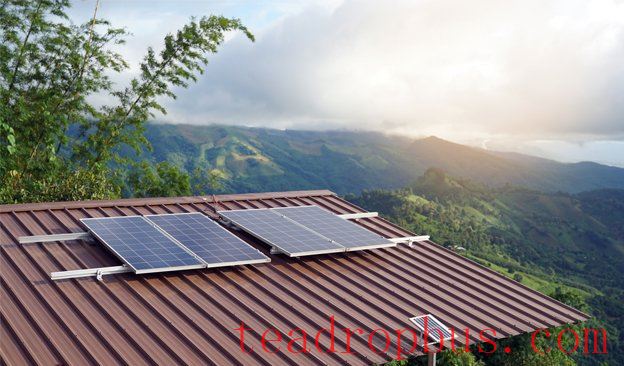
With drastically reduced installation costs, solar power may just be the answer to coffee’s reliable electricity issues.
Most coffee farmers live and work in remote, rural regions. Many lack access to a reliable power grid to run their equipment or light their homes, often relying instead on diesel generators. At the same time, fuel costs continue to rise, and climate extremes mean an increased risk of blackouts and storm damage. Looking for more reliable and sustainable sources of power, farmers around the world are turning to solar.
The Solar Boom
Solar adoption has soared over the past few decades, as installation prices plummet and availability increases. The cost of solar panels has fallen 90% since 2010, mainly due to China’s heavy investments in solar panel manufacturing. This has made solar increasingly attractive for countries in the Global South, many of whom continue to struggle with poor electricity infrastructure.
“Emerging and developing economies hold 70% of the world’s solar and wind resources and 50% of the critical minerals for the energy transition,” Christiana Figueres and Adair Turner wrote in a 2025 Reuters article. “Based on this potential and their higher energy needs, these countries could account for over 60% of the absolute increase in clean energy over the next 10 years.”
Governments in coffee-producing countries from India to Colombia to Indonesia have launched extensive solar programs. In other countries, the uptake has been decentralized and off-grid, often led by local communities.
“Very Obvious Advantages”
In recent years, coffee farmers and cooperatives have increasingly invested in solar. A growing number of cooperatives in Kenya, for example, have installed solar-powered equipment at their mills to cut costs and improve efficiency.
“There has been a rise in solar installations and utilization in the Kenyan coffee communities,” says Peter Wanjohi, head of coffee at AGnimble. This is “because of the very obvious advantages that it offers over conventional electricity in Kenya. Electricity is very, very expensive,” he adds.
Some projects are self-financed. Others utilize assistance from non-profits or other outside supporters. In 2016, the cooperative El Gorrión in Nicaragua partnered with the NGO Green Empowerment to help 150 of its members install solar systems. The social enterprise green coffee trader Raw Material is working to build solar-powered coffee processing sites in Timor-Leste.
In Colombia, the government’s Energy Communities program began in 2023, and funds mini-grid installations in some of the country’s most remote regions. The Association of Technicians, Professionals, and Producers in Support of the Serranía del Perijá (ASOTEPROS), which works with 80 coffee farmers in the Serranía del Perijá mountains, has been one of the beneficiaries — they have already installed solar panels and batteries and plan a solar dryer to lower costs and improve quality.
Next: Scale
Investing in solar for rural communities goes beyond just the direct impact on coffee production. It can also help improve healthcare and education outcomes in coffee communities. Research shows that access to solar technology boosts educational achievement by, for example, extending study hours.
As coffee production costs continue to rise and solar prices fall, the case for switching to renewable, reliable electricity will only grow. Large organizations are leading the way, with an increasing number of smaller companies and individuals joining the shift. Counter Culture Coffee, for example, has funded solar panels for multiple farmers through its Seeds microgrant program.
The opportunity and demand are there to improve farmers’ lives and livelihoods while greening the coffee industry. What’s missing right now is greater industry and government support and funding.