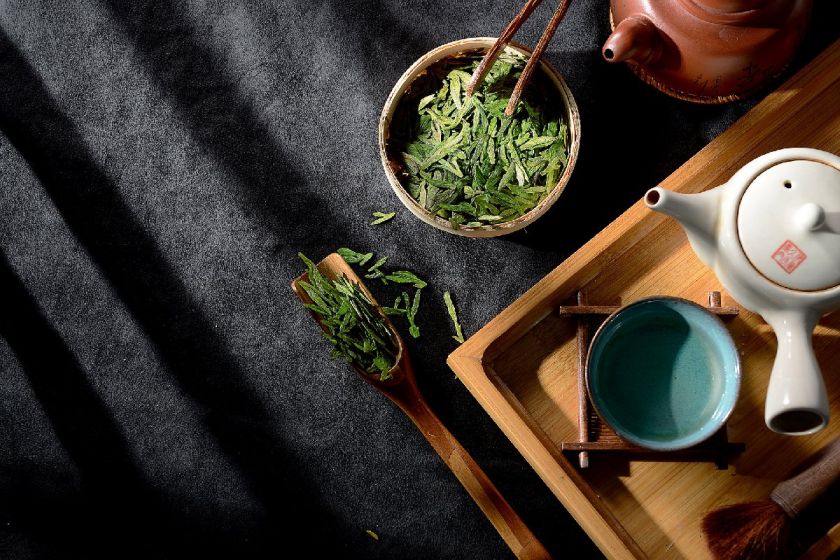
Introduction to Maoyan Berry Tea
Maoyan Berry Tea, a traditional Chinese herbal tea, is noted for its rich content of beneficial compounds like ampelopsin and dihydromyricetin. Research indicates it contains 19 essential nutrients and trace elements, including high levels of calcium, iron, and magnesium, which support cardiovascula...
Tea News · Dec 29, 2025
Introduction to Lu'an Guapian Tea
Lu'an Guapian is a famous green tea originating from Lu'an, Jinzhai, and Huoshan counties in Anhui Province, China. Named for its flat, melon-seed-like shape, it is renowned for its unique processing method and rich history dating back to the Tang Dynasty. The tea is primarily produced in the Dabie...
Tea News · Dec 29, 2025
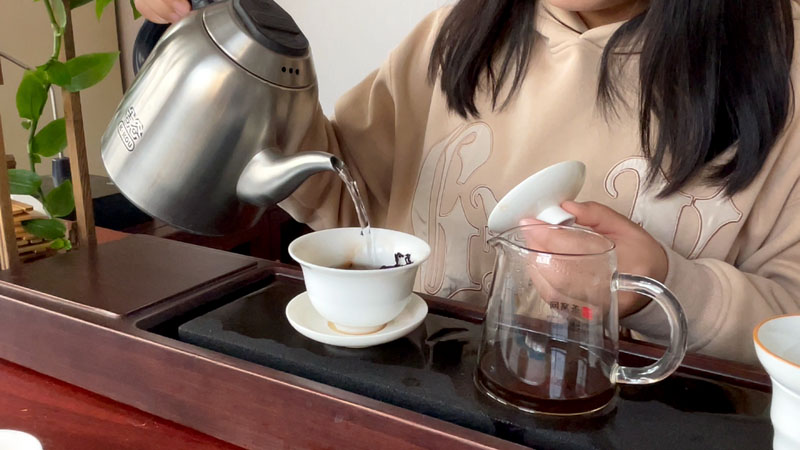
Introduction to Chrysanthemum and Licorice Tea
Chrysanthemum and Licorice Tea is a traditional herbal beverage made from chrysanthemum flowers and licorice root, sweetened with sugar. To prepare, simply rinse 5 grams of chrysanthemum and 2.5 grams of licorice, then steep them in hot water, adding sugar to taste. It is recommended to consume one...
Tea News · Dec 29, 2025
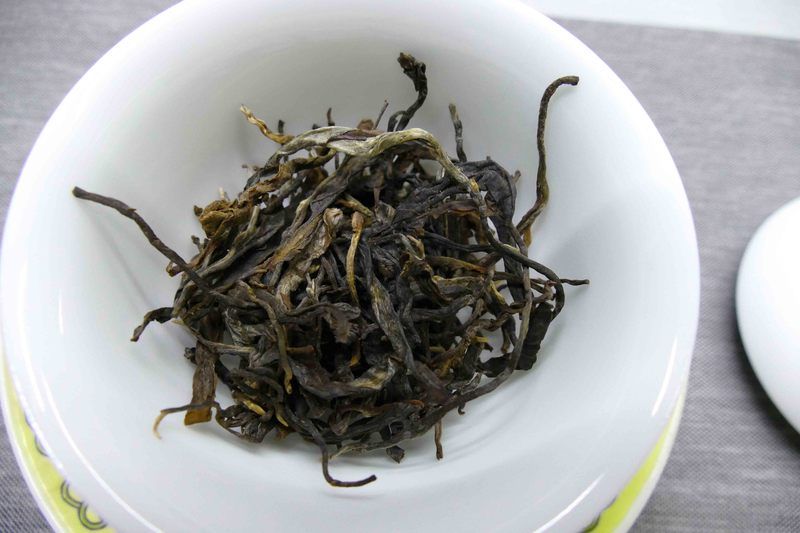
Introduction to Tea Classification
Tea can be classified based on its processing method, fermentation level, harvest season, and growing environment. The main categories by processing are: non-fermented green tea (e.g., Longjing , lightly fermented yellow tea (e.g., Junshan Yinzhen , lightly fermented white tea (e.g., Baihao Yinzhen ...
Tea News · Dec 29, 2025
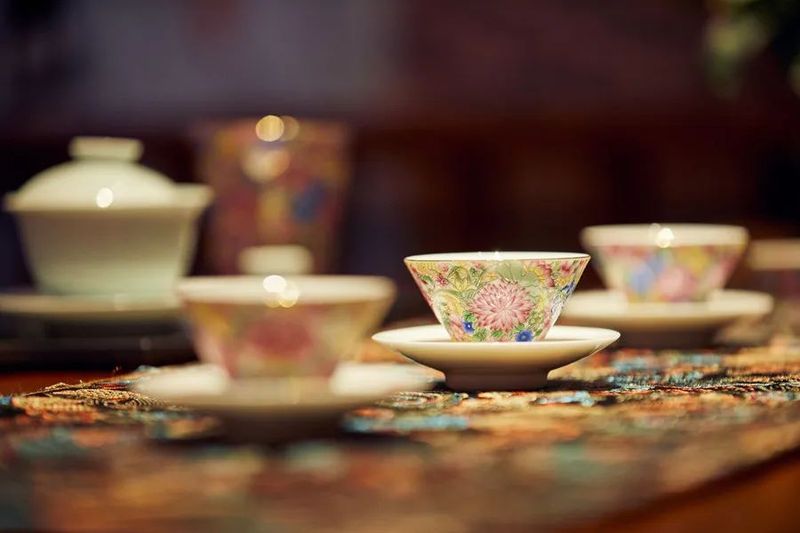
Top Ten Famous Teas in the World
The world's top ten famous teas include Indian Masala Chai, Genmaicha, Earl Grey, Matcha, Tieguanyin, Pu'er, Chamomile Tea, Rooibos Tea, Lapsang Souchong, and White Tea. Each boasts unique characteristics and cultural significance. For instance, Indian Masala Chai blends strong black tea with milk,...
Tea News · Dec 29, 2025
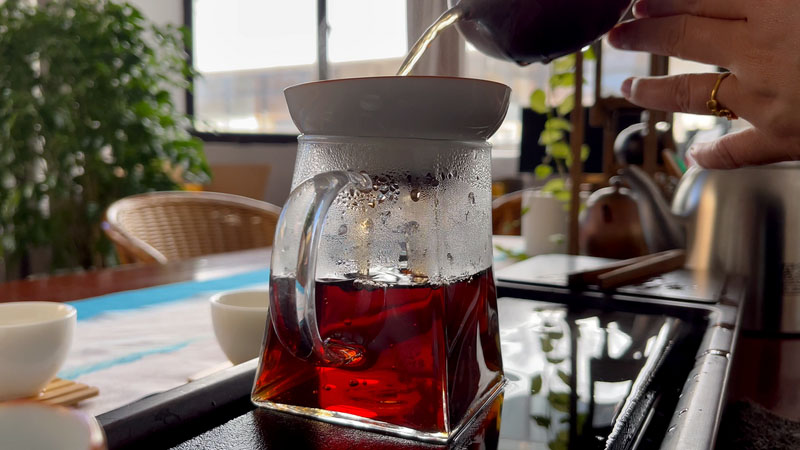
A Brief Introduction to Shou Mei Tea
Shou Mei tea, a type of white tea, is primarily produced in Jianyang County, Fujian Province, with significant production also in neighboring areas like Jian'ou and Pucheng. Its name derives from the tea leaves' resemblance to the eyebrows of a long-lived elder. High-quality Shou Mei is characterize...
Tea News · Dec 29, 2025
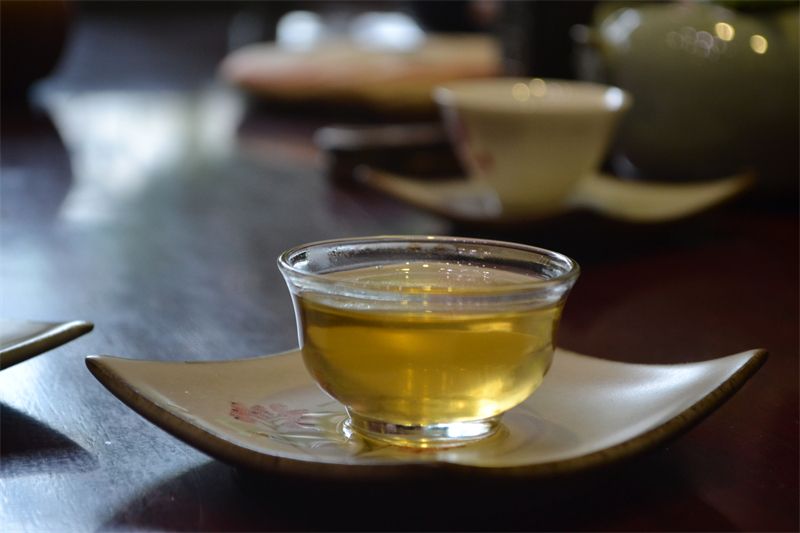
Drinking Tea Helps Relieve Tension and Fatigue
The article discusses how prolonged work under high tension and fatigue can reduce effectiveness, as human attention has limits. It suggests taking short breaks, such as drinking tea with colleagues, to refresh the mind and restore focus. It highlights Chan'er Fu Tea, a gold medal-winning black tea...
Tea News · Dec 29, 2025
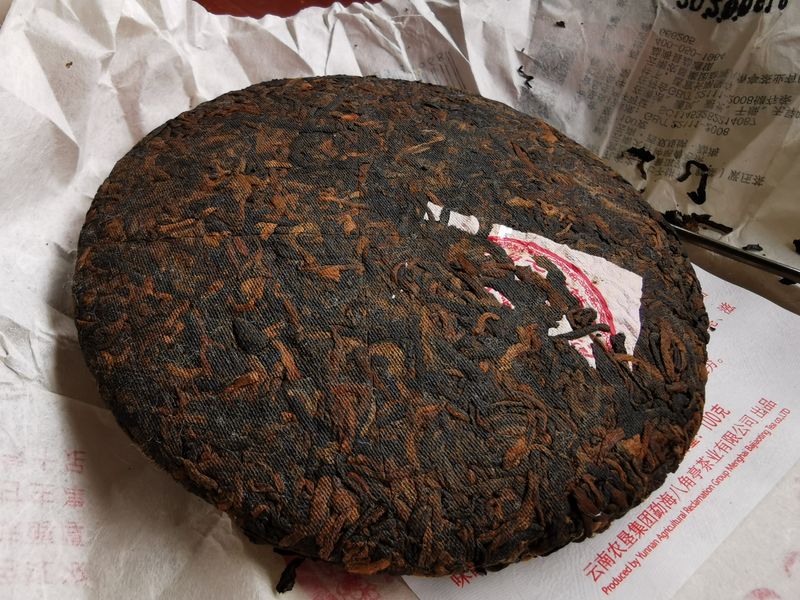
Development Value of "Chabaixi"
Chabaixi, also known as tea painting, water ink painting, or tea performance, is an ancient tea art that creates patterns and images in the tea soup using only tea and water, without any additional ingredients. It holds significant commercial value due to its unique visual appeal and the distinct pr...
Tea News · Dec 29, 2025
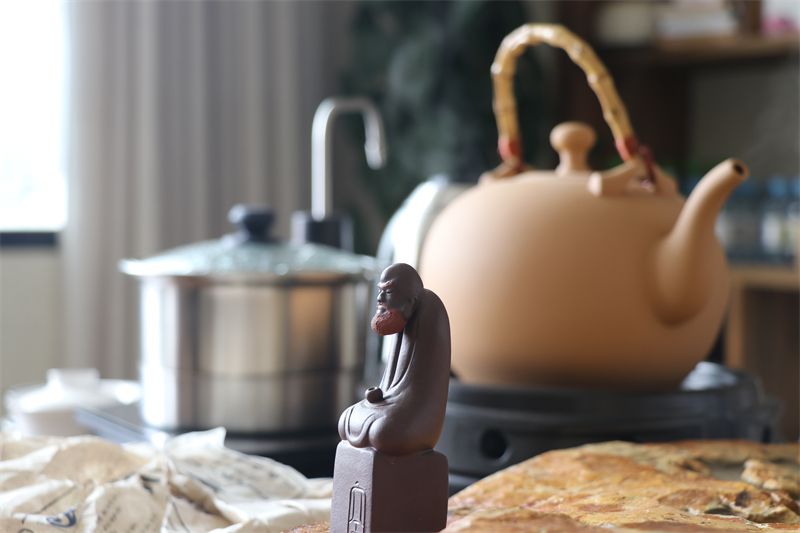
New Tea Should Be Stored for Half a Month Before Drinking
The common belief that 'the fresher the tea, the better' is a misconception. While green tea is typically consumed fresh, it is not advisable to drink it immediately after picking. New tea refers to leaves picked within a month, which may contain substances like polyphenols, alcohols, and aldehydes...
Tea News · Dec 28, 2025
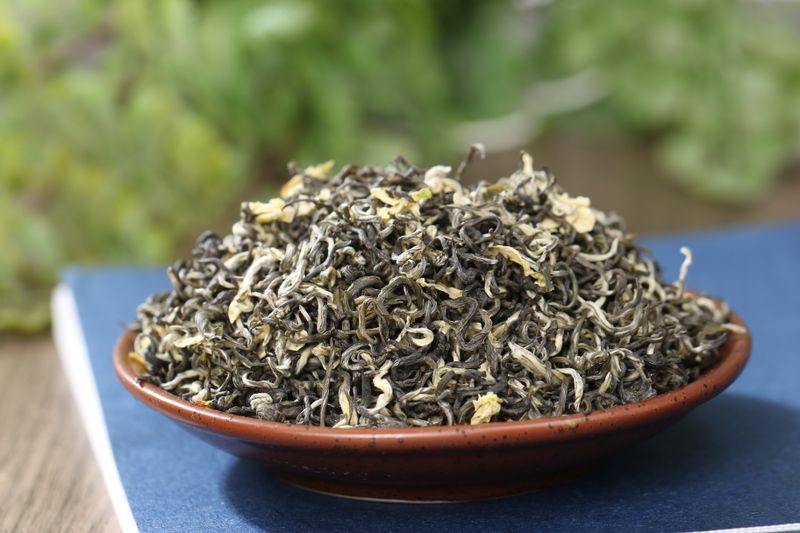
The Origin of Pengfeng Tea
Pengfeng Tea, also known as 'Oriental Beauty Tea' or 'Baihao Oolong,' is a premium Taiwanese oolong with a legendary origin. During the Japanese colonial period, a tea farmer from Beipu sold his entire exhibition stock at an astonishingly high price, leading locals to dismiss the news as 'pengfeng'...
Tea News · Dec 28, 2025