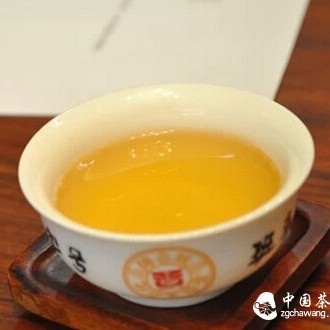
Raw Pu-erh and Ripe Pu-erh, Which One to Choose?
Pu-erh tea is divided into raw (sheng and ripe (shu types, a distinction often misunderstood. Raw Pu-erh undergoes natural aging, while ripe Pu-erh is produced through an accelerated fermentation process called 'wo dui.' This article explains their differences in definition, production process, ap...
Tea News · Apr 16, 2026
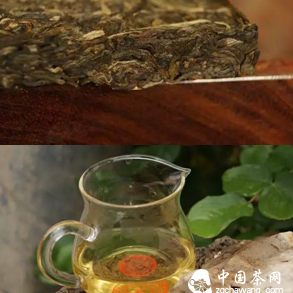
Raw Pu-erh is Cold, Ripe Pu-erh is Hot, How to Resolve This?
Pu-erh tea is often categorized by its nature: raw (sheng pu-erh is considered 'cold' due to its minimal processing and fermentation, which can affect the spleen and stomach with long-term consumption. Conversely, ripe (shou pu-erh undergoes a fermentation process that makes it 'warm' or 'hot,' po...
Tea News · Jan 06, 2026

How to Brew Raw Pu-erh Tea and Ripe Pu-erh Tea
Brewing Pu-erh tea requires different techniques for aged, raw, and ripe varieties. Aged Pu-erh is best brewed in a Yixing clay teapot with very high water temperature. New raw Pu-erh, however, is more delicate and should be brewed with slightly cooler water to avoid bitterness. It's recommended to...
Tea News · Dec 22, 2025
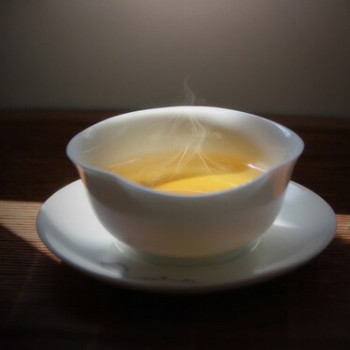
Raw Pu-erh Tea and Ripe Pu-erh Tea: More Than Just a Pile-Fermentation Difference!
Raw Pu-erh and Ripe Pu-erh teas differ significantly beyond just the pile-fermentation process. They vary in appearance, taste, and health benefits. Raw Pu-erh has a green or dark green color with some yellow-red hues, offering a strong, astringent taste that can sweeten over time. Ripe Pu-erh, with...
Tea News · Jul 19, 2025
1