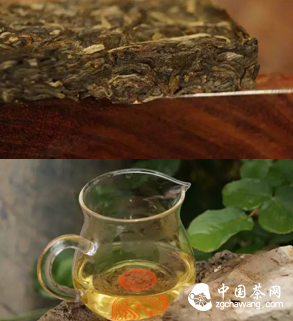
For tea lovers who enjoy raw tea, they often need to balance it with other foods or choose to drink aged raw tea, which involves higher time and financial costs.
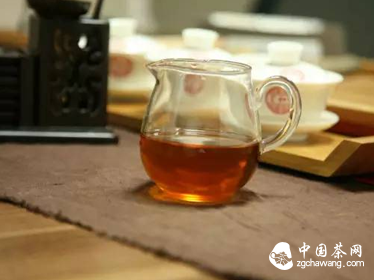
On the other hand, ripe Pu-erh tea is made using the pile fermentation process and is widely loved by tea enthusiasts for its aged aroma and mellow, smooth characteristics. However, many tea drinkers also say that drinking newly made ripe tea can cause internal heat (上火).
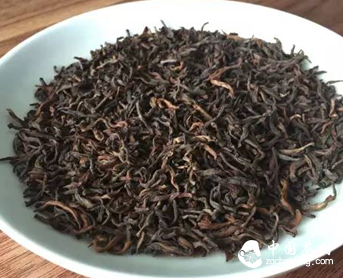
Due to the factors of Pu-erh tea's fermentation process, the tea leaves are tempered by temperatures over 50 degrees Celsius for several fermentation cycles over dozens of days, gradually transforming the tea nature to warm and hot;加上后期的蒸制、烘干,燥热更加明显。The degree of fermentation also determines the level of燥热 (dry heat) in ripe tea; moreover, ripe tea fermented in summer, autumn, and winter will also carry varying degrees of燥热.
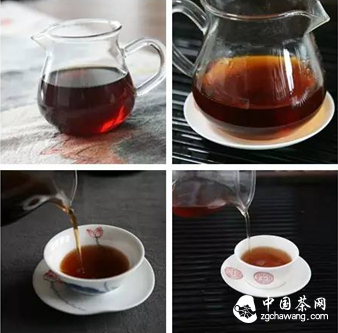
Reducing the 'fire' (燥热) in ripe tea requires methods such as合理选择发酵节令、精准控制发酵工艺、加长原料醇化周期。Tea lovers who prefer ripe tea often find it more difficult to choose a suitable favorite.
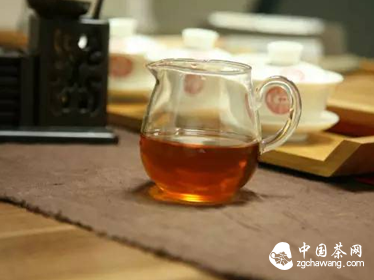
Based on years of research into the bodily sensations from various raw and ripe teas,总结它们的四性(温、热、寒、凉)、五味【酸(涩)、苦、甘、辛、咸】经验数据 from aspects such as tea region, tea material, processing, and storage, and combining them with the principles of nature, flavor, channel tropism, and compatibility in traditional Chinese medicine, Pu-erh Tea King has created Qingfengli Round Tea (raw tea and ripe tea).
From a blending perspective,拼配不同季节、级别的茶是最初级的,不同口感(山头、工艺)的拼配是常见的。
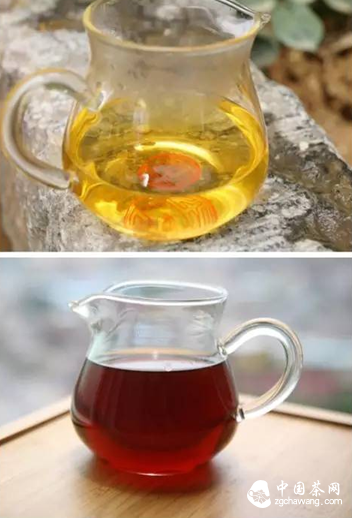
Generally, when drinking tea, tea enthusiasts should consider both the nature of the tea and their own constitution. Qingfengli Round Tea (raw tea and ripe tea) breaks through this concept. It is a Pu-erh tea that regulates the body's energy (气机), making it particularly suitable for long-term consumption and can become the preferred Pu-erh tea in the hearts of广大茶友.