Tea, as one of the treasures of Chinese traditional culture, carries a long history and rich connotations. In the process of appreciating tea, aroma is often the first element to meet us, conveying the quality and characteristics of the tea leaves. However, sometimes we may detect unusual odors in tea, which often indicate problems in the tea-making or storage process, something we need to pay particular attention to.
When we prepare to taste tea, its scent greets us first. Occasionally, we might notice some peculiar smells. To accurately perceive the aroma of tea, we can approach it from multiple angles, such as smelling the lid of the teapot, the aroma of the tea infusion, or even the scent of the leaves once they have cooled down after Steeping.
First is the smell of scorching. Scorching refers to the odor produced when leaves are carbonized during tea production. Typically, if old leaves are mixed in, the leaves are not evenly stir-fried, or there is an excess of fragments during the stir-frying process, it can easily result in scorching, leading to the smell of scorching. Additionally, if the tea maker does not control the heat properly or intentionally over-bakes the leaves to mask certain defects, the leaves will become carbonized. At this point, the tea will have a scorched smell and a bitter taste.
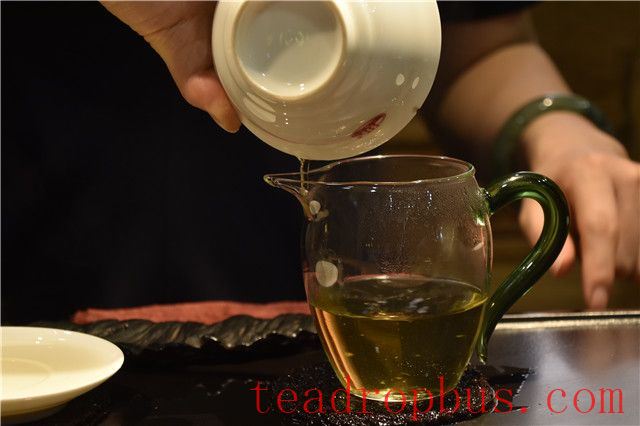
Next is the smell of waterlogging. When tea is harvested on rainy days or when there is heavy dew, the leaves will be covered with many water droplets, making it difficult to completely remove the moisture. This can lead to insufficient fixation and the production of a waterlogged smell. Moreover, if the correct technique of “more tossing and less smothering,” combined with tossing and smothering, is not followed during the fixation process, it can also result in poor quality tea.
The smell of greenness is another common unusual odor. In Green Tea, the smell of greenness may originate from inadequate spreading before fixation, incomplete fixation, or some unscrupulous sellers deliberately reducing the degree of fixation to maintain a fresh green color. Therefore, when encountering particularly bright green green teas, we should be cautious, as they are likely to have a grassy odor. In Black Tea, the smell of greenness can be due to insufficient rolling or incomplete fermentation. In Oolong tea, the presence of greenness could be due to inadequate bruising or fixation, or the tea reabsorbing moisture and reverting to green after baking.
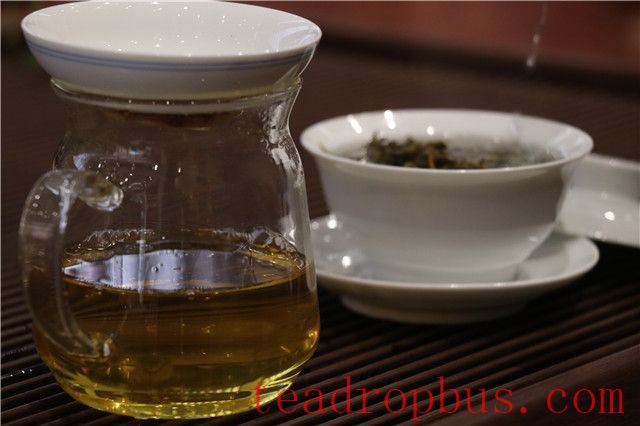
The sour and rancid smell is commonly found in low-quality black teas. During processing, if the withering, rolling, and fermentation stages are not properly controlled, it can give the black tea a “sour and rotten” feel, both in smell and taste. Additionally, exposure to dampness during storage or using excessively hot water for brewing can also cause a sour taste.
Moldy smell is another odor that cannot be overlooked. When storing tea, it is essential to ensure dry conditions. Once tea becomes damp and reaches a certain moisture content, it is prone to mold and develop a moldy smell. Another situation is when compressed teas are not fully dried, which can also result in a moldy smell.
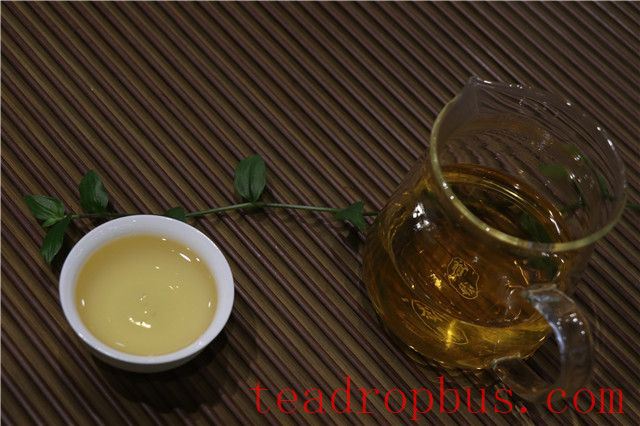
The stale smell also requires our attention. If green tea is not stored properly, it can develop a stale odor, losing the fresh and refreshing scent of new green tea. Some overly dry aged teas, though different from damp and moldy conditions, can still produce unpleasant odors. We must not confuse the stale smell with the aged aroma.
In professional tea evaluation literature, many unusual odors are described as “unpleasant smells.” Indeed, the aroma is a very direct reflection of tea quality. Smelling a fresh and pleasant aroma gives us a sense of relaxation and joy; while unpleasant odors make us feel stifled and uncomfortable. Thus, smelling the aroma involves not just using our noses but engaging our entire body to feel and experience it.
Tea is not merely a beverage, but also an attitude towards life and an art form. As we savor the wonderful flavors of tea, we must also learn to discern its quality through its aroma. Only then can we truly appreciate the charm of tea, immersing ourselves in a world filled with its fragrance. Let us use our keen sense of smell and delicate spirit to explore the stories behind every cup of tea, to experience its unique aroma, and find peace and satisfaction in the world of tea.
Whether sharing a fragrant cup with friends or savoring it alone on a tranquil afternoon, tea brings endless joy and enjoyment. Let us cherish every encounter with tea, savoring each unique aroma, and let tea become an indispensable part of our lives.
In this complex world, tea is like a clear spring flowing through our lives, bringing moments of tranquility and comfort. Let us journey together with tea, experiencing the beauty and truth of life amidst its fragrance.