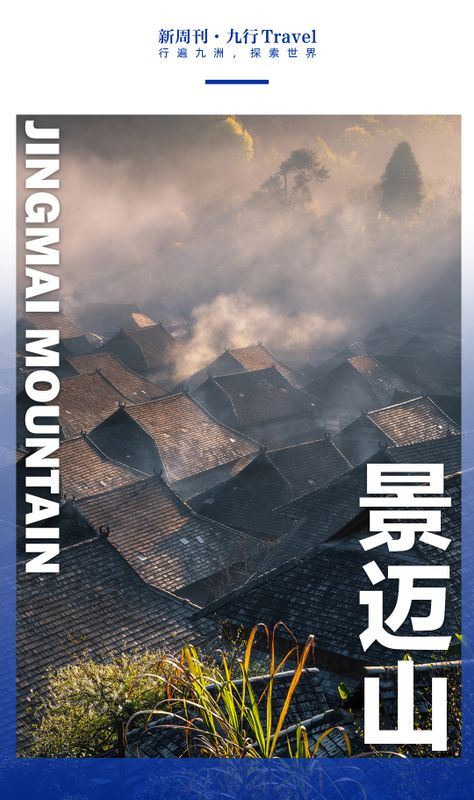
On September 17, 2025, UNESCO adopted a resolution to include China's “Pu'er Jingmai Mountain Ancient Tea Forest Cultural Landscape” on the World Heritage List, making it the world's first tea-themed cultural heritage site. Upon hearing the good news, villagers celebrated with elaborate costumes and dancing throughout the night.
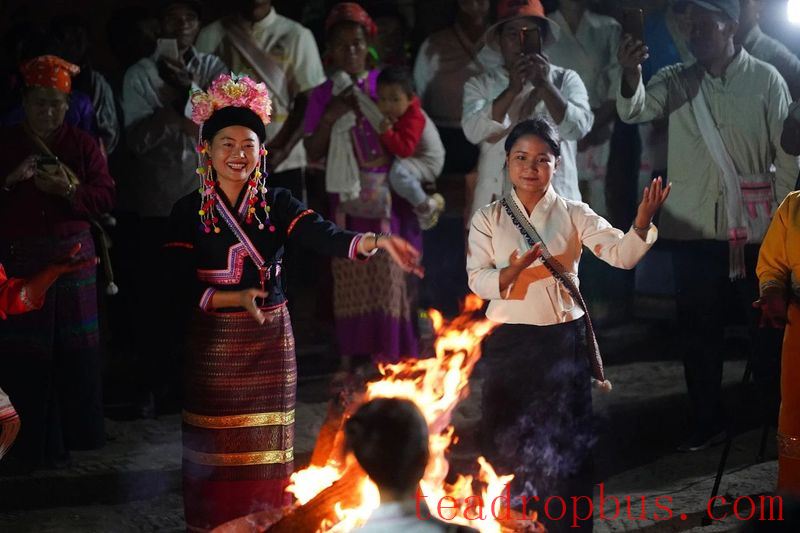
△The people of Jingmai Mountain in Yunnan celebrate the successful nomination of the “Pu'er Jingmai Mountain Ancient Tea Forest Cultural Landscape” as a World Heritage Site. (Image/Visual China)
Jingmai Mountain, located in Humin Town, Lancang County, Pu'er City, Yunnan Province, is a continuously evolving cultural landscape composed of ancient tea forests, tea gardens, forests, and traditional villages. During this year's National Day and Mid-Autumn Festival holidays, Lancang County received 234,000 tourists and generated 210 million yuan in tourism revenue. The significance of being a “World Heritage” site cannot be underestimated.
However, the value is just an instant piece of information. Competing with Jingmai Mountain were India, Sri Lanka, and Japan, all vying for a tea-themed World Cultural Heritage listing. So why did Jingmai Mountain emerge victorious?
This was not a fluke. As early as 2025, National Geographic magazine named Jingmai Mountain as one of the top travel destinations worldwide.
The most attractive aspect of Jingmai Mountain is its cultural landscape. Typically, when people think of cultural landscapes, they envision things like elephant-foot drums, golden pagodas, tube skirts, crab feet, bee spirit trees, and stilt houses… However, these features are not uncommon in Southeast Asia, and stilt houses can also be found in Europe and America.
“World Heritage” must possess “outstanding universal value.” From UNESCO's explanation, we can identify keywords such as human creative genius, human values, testimony to cultural traditions, and outstanding examples of human settlements… For Jingmai Mountain, the keywords are ancient tea forests and traditional Chinese Tea cultivation.
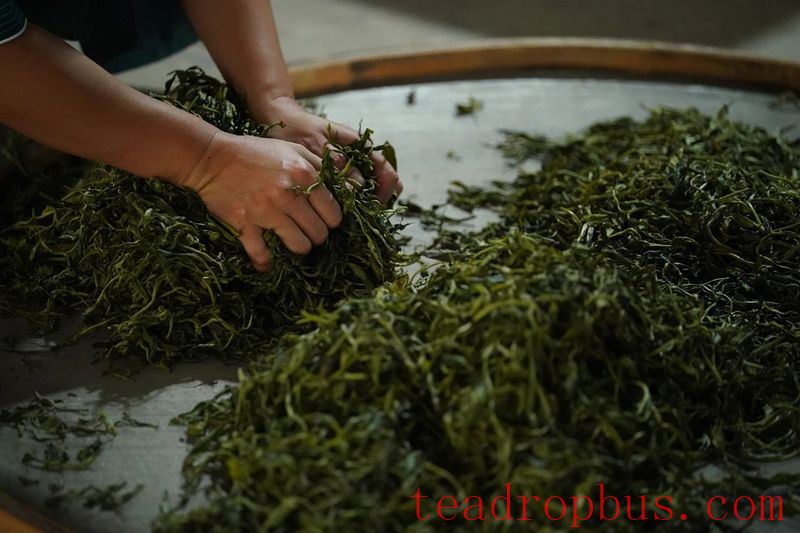
△On September 16, 2025, a tea maker in Jingmai Mountain prepares tea using traditional techniques. (Image/Visual China)
India, Sri Lanka, and Japan all have robust tea industries, and global consumers are familiar with brands like “Lipton” and “Shizuoka Matcha,” which are far more developed than Chinese tea enterprises. Yet, Jingmai Mountain's tea cultivation not only remedies issues like deforestation and excessive pesticide residues but also provides a profound insight into the world's most advanced capitalist agricultural practices.
Most images associated with Jingmai Mountain, such as majestic mountains, sea-like mists, and ancient giant trees, are beautiful and even awe-inspiring. However, this beauty alone does not qualify for entry into the World Heritage List. The charm of Jingmai Mountain is as elusive and misty as the peculiar clouds that envelop it.
Jingmai Mountain's Fine Teas Depend on Cultivation and Appreciation
Since entering the 21st century, Jingmai Mountain has transformed due to tea. The name Jingmai Mountain originates from Jingmai Village and Mangjing Village, previously known as Jingmai-Mangjing Mountain. After simplification, the place name became easy to remember, a clever commercial move.
The nine traditional villages included in the World Heritage List are Manggeng, Mengben, Jingmai Village, Nuogang, Wengji, Wengwa, Upper Mangjing Village, Lower Mangjing Village, and Manghong. The rumored feature of Pu'er tea, “one mountain, one flavor,” has always attracted discerning tea enthusiasts to distinguish between the different tastes of each village.
Visitors often ask why ancient tree teas are so expensive. Generally speaking, the taller the tree, the deeper its roots reach. Ancient tea trees, being tall, transport more nutrients from the soil into the leaves. When brewed, the tea soup from ancient trees not only releases floral, honey, and fruity aromas but also feels thicker and longer-lasting compared to other types of tea.
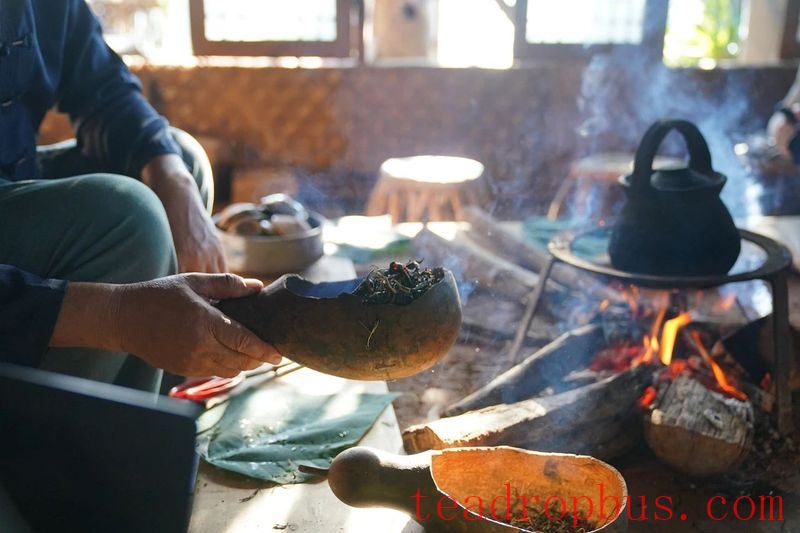
△On September 16, 2025, Nan Kang, a city-level inheritor of traditional handcrafted tea-making skills in Jingmai Mountain, demonstrates the process of making roasted tea of the Bulang ethnic group by the fireside. (Image/Visual China)
Tea grown under forest cover is better because the tall trees provide shade, and diffused light makes the tea taste sweeter. Japanese farmers in Uji did not discover until the 16th century that covered cultivation could effectively inhibit the conversion of amino acids into catechins (the source of bitterness), leading to the cultivation of refreshing matcha.
How can pests be avoided without pesticides? In fact, many trees themselves repel pests and shelter birds that eat them. Additionally, ethnic minorities use special picking methods during summer to starve pests. They also believe that holding sacrificial ceremonies can drive away pests.
The film “Coffee & Tea,” produced by Peter Chan, was filmed in the ancient village of Wengji, showcasing continuous rooftops and lush ancient trees. This location is not only imbued with the potential for spiritual healing but also brimming with vitality and business opportunities.
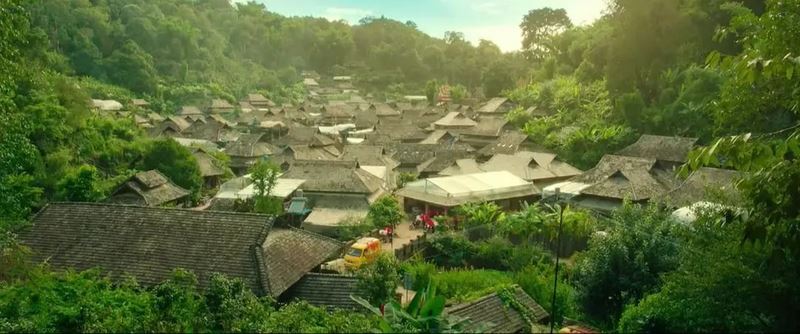
△Ancient Village of Wengji. (Image/Coffee & Tea)
In “The Classic of Tea,” Lu Yu wrote in “Chapter One: The Source” that “Tea is a fine tree of the south. It can grow one, two, or even dozens of feet tall. In Bashan and Xiazhou, there are trees that require two men to embrace them.” He further noted in “Chapter Eight: The Production” that “In the south of the mountains, the best is Xiazhou.” “Bashan and Xiazhou” refers to “Xiazhou.”
Lu Yu pointed out that the tea from Xiazhou was superior because there were “trees requiring two men to embrace them.” He was not just talking about age but also cultivation methods. Some Japanese scholars believe that Lu Yu's “The Classic of Tea” might have been a business plan for the tea industry. Therefore, the price of ancient tree tea would not have been cheap during the Tang Dynasty.
Singer Jiang Yuheng's brother, Jiang Yufa (Professor of Tea Studies at Hansei University, South Korea), discovered from historical records like “Yanxinglu” that in the Qing Dynasty, “Pu'er tea was the most popular among the various tea types in Yanjing (Beijing).” In “Zhanxuan Yanji,” envoy Hong Dayong recorded that in Beijing, “There are many varieties of tea, with Green Tea being the lowest quality. Pu'er tea is highly valued in the capital (Beijing), although there are many fakes.”
Available information shows that there were many ancient trees in “Bashan and Xiazhou” during the Tang Dynasty; in the Song Dynasty, there were also ancient trees in Fujian. Today, Jingmai Mountain still has over a million hundred-year-old ancient trees surviving.
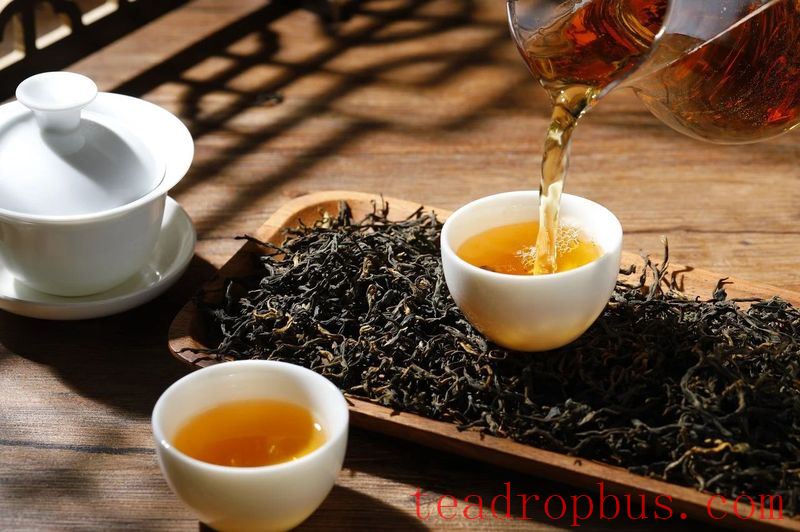
△Ancient Tree Tea brewing. (Image/Tuchong Creative)
The sudden rise in prices for ancient tree tea in 2008 was a novelty for tea farmers in Jingmai Mountain.
The acquisition of ancient tree tea in