Wuyi Rock Tea, due to its unique charm and rich flavor, is increasingly loved by tea enthusiasts. The brewing of Rock Tea requires careful attention, and the tasting of Rock Tea is an art. Do you know the brewing and tasting techniques of Wuyi Rock Tea?
The taste of tea depends on the correct brewing method. While anyone can brew tea, bringing out the best in color, aroma, flavor, and charm of a tea is no easy task. Tea, utensils, water, and the brewer are all essential, especially the understanding of each tea's unique characteristics for proper brewing.
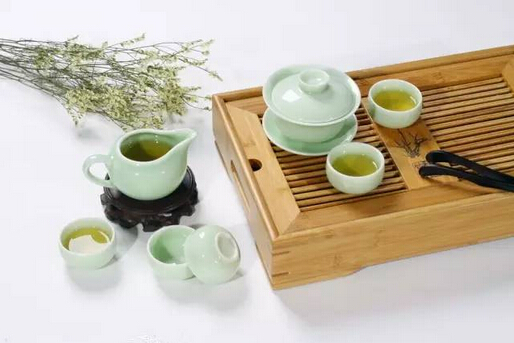
Wuyi Rock Tea, due to its unique charm and rich flavor, is increasingly loved by tea enthusiasts. The rich varieties and complex production process of Rock Tea make brewing even more intricate. Tasting Rock Tea is a profound study.
Tea Utensils
The best utensils for brewing Wuyi Rock Tea are purple clay teapots and white porcelain lidded bowls. White porcelain lidded bowls, with their high heat conductivity and excellent tea-releasing properties, along with their affordability, have become the preferred choice for many when brewing Rock Tea.
The biggest advantage of using a lidded bowl is its honesty—good tea will naturally reveal its quality in the liquor and aroma, while poor-quality tea will be exposed. Additionally, the size of the porcelain lidded bowl can be chosen flexibly based on the number of drinkers.
Tea Water
Lu Yu's Classic of Tea states, "Water is the mother of tea; fine tea requires good water for brewing." This highlights the importance of good water for tea. Without good water, fine tea cannot be brewed. Different waters can cause significant variations in the aroma and flavor of Rock Tea, with noticeable differences in quality.
Among the various waters for brewing tea, mountain spring water is the best, clean river water and purified water are acceptable, while hard or heavily chlorinated tap water should not be used. The water temperature should be freshly boiled for brewing; water below 95°C or repeatedly boiled water is inferior.
Tea Brewing Techniques
The quality of Rock Tea brewing also heavily depends on the brewer. Whether the brewer understands the characteristics of the tea and selects the appropriate brewing method is crucial.
First, understand the amount of tea leaves to use. The amount depends on personal taste preferences—whether stronger or lighter—there is no rigid rule. When brewing Wuyi Rock Tea, the amount can be adjusted based on personal preference. Due to the thick and robust leaves of Rock Tea, the amount is generally no less than two-thirds of the lidded bowl's capacity.
The steeping time is also important. For the first three infusions of Wuyi Rock Tea, the steeping time should not exceed one minute, preferably within 30 seconds. For subsequent infusions, the steeping time can be increased by 10–30 seconds each time. For traditionally heavily roasted Rock Tea compared to lightly roasted ones, the steeping time can be slightly shorter, all adjusted according to personal taste.
Each Infusion in Rock Tea Tasting Has Its Nuances
Rock Tea has a rich, mellow flavor with a special "rock charm." The characteristics of the tea plant can be reflected in the flavor. The aroma can be high or long—high being intense, long being lingering—with diverse aroma types such as floral, fruity, milky, or honeyed, etc. When tasting tea, first smell the aroma, then taste the flavor, repeating several times.
Smelling the aroma includes dry leaf aroma, lid aroma, liquor aroma, cup-bottom aroma, and wet leaf aroma, etc. When tasting, let the tea liquor fully contact all parts of the mouth and tongue, repeating several times to carefully perceive the liquor's richness and various characteristics, comprehensively judging the tea's features and quality.
Each infusion of Rock Tea changes, requiring careful appreciation.
First Infusion
First, observe whether the liquor is clear and vibrant, whether it is orange-yellow, and whether it has three distinct layers. The presence of a "golden ring" on the surface is a mark of quality. Then smell the aroma—pure, unadulterated, and fragrant is best. Third, taste the flavor, sipping slowly to see if the liquor aroma matches the smelled aroma.
Second Infusion
Focus on the tea's flavor—whether it is rich and mellow, whether there is noticeable bitterness or off-flavors. After swallowing, observe if the mouth feels fuller than before.
Third Infusion
Focus on the "charm." Check if the tea liquor has a fresh, lively feel in the mouth, whether there is a natural charm, whether the throat feels smooth and refreshing, and whether the liquor slides down the throat effortlessly. Wuyi Rock Tea emphasizes "rock bone," manifested as throat sensation and aftertaste, and cup-bottom aroma (smelling the aroma at the bottom of the cup after drinking).