With the arrival of autumn, temperatures begin to drop, rainfall decreases, and air humidity relatively reduces, resulting in a dry climate. Dryness can easily damage lung Yin, leading to lung discomfort, dry mouth and throat, dry cough with little phlegm, constipation, etc.
During the time of Yin growth and Yang decline, nourishing Yin should be the priority. Autumn is the season of harvesting, where all things收敛, and lung Qi responds internally. Health preservation should focus on nourishing the lungs.收敛神气, otherwise, it harms the lungs, leading to winter diarrhea (undigested food diarrhea) and reduced adaptability to winter. In winter, the earth stores, all things lie dormant, kidney Qi responds internally and governs storage. Health preservation should focus on nourishing the kidneys; otherwise, it harms the kidneys, leading to spring ailments.
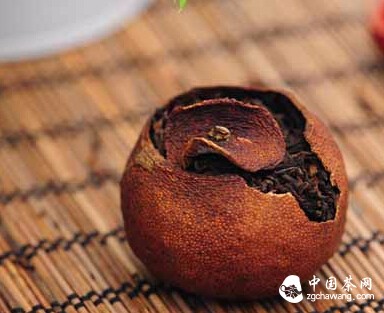
Ganpu tea, or Chenpi Pu-erh tea, moistens the lungs and resolves phlegm in autumn, prevents coughing and nourishes Yin, regulates Qi and harmonizes the middle, strengthens the spleen and stomach, and eliminates stagnation. Ripe Pu-erh is refreshingly sweet, aids digestion, reduces lipids, has a mild nature, and is suitable for all ages, especially for middle-aged and elderly health preservation.
"Compendium of Materia Medica": "Its taste is pungent, bitter, and warm. Pungency can disperse, bitterness can purge and dry, warmth can harmonize all ailments. Chenpi is a Qi-regulating medicine in these two meridians, but its effects of tonifying, purging, ascending, and descending vary with配伍." "Chinese Medicine Handbook": "Chenpi from Xinhui, Guangdong is the best, effective in drying dampness and resolving phlegm, lowering逆 and stopping vomiting..." "Supplement to Compendium of Materia Medica" records: "Pu-erh tea from Yunnan Pu-erh Prefecture resolves grease, detoxifies beef and mutton, expels phlegm and lowers Qi, cleanses the intestines and promotes purgation. Aids digestion and resolves phlegm, clears the stomach and promotes fluid production."
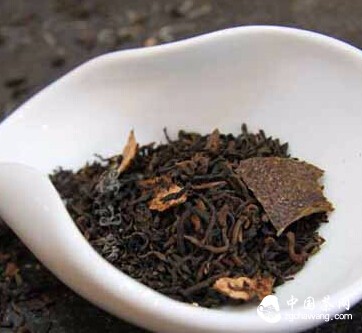
Mentioning Xinhui, the name "Chenpi" has been used since the Tang Dynasty, and by the Song Dynasty, the renowned "Xinhui Chenpi" emerged, with a history of over 700 years. It can be said that Chenpi is unique because of Xinhui. In the industry, Chenpi made from Xinhui's "Tea Branch Citrus" is more effective. Rich in three active substances: volatile oils, polysaccharides, and flavonoids, it has significant benefits for the digestive, cardiovascular, and respiratory systems.
When selecting Ganpu tea or Chenpi Pu-erh tea, it is essential that the citrus fruit is from Xinhui; otherwise, its functional value is greatly reduced. Ripe Pu-erh also varies significantly, and price is a good reference indicator. The taste should be sweet, mellow, fresh, smooth, not bitter or astringent, without a fiery or dry taste, with a bright red汤色 and a strong, distinct citrus aroma. Good Chenpi Pu-erh tea is not just a tea but also a health drink highly favored by tea enthusiasts in recent years. This autumn and winter, let it accompany you, moistening the heart and lungs, preventing dryness, warming the body and mind, and regulating the intestines and stomach.
Related links: Golden Pearl Pu-erh, Golden Flower Fu Brick Tea