1. Entrance Lightness
The first sensation when the tea soup enters your mouth: is it a clear sweetness, or a strong bitter taste? Or a heavy astringency? Is this first sip something you can accept? Tea leaves must have some bitterness and astringency, right? But if there isn't the slightest sense of lightness upon entering the mouth, and you feel no fondness at all for the tea soup in your mouth, then such tea probably won't be under consideration.
2. Bitterness and Astringency on the Tongue Surface
No matter how good the quality of the new tea, how well it's processed, or how good the mountain origin, it's basically impossible for new tea to have no bitterness or astringency. When the tea soup enters the mouth, the first thing to sense is whether the bitter taste is strong or the astringent taste is strong. Bitterness and astringency present differently. Bitterness is singular, perceived on the surface of the tongue. Astringency should be a contracting sensation at the root of the tongue, or on the tongue surface and the sides of the tongue – it should be like this.
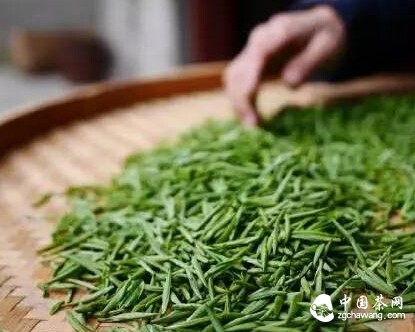
After the bitterness and astringency enter the mouth, does it, after a while, produce a sweet aftertaste on the tongue surface? That is, when breathing or swallowing saliva, does the tongue surface have a hint of clear sweetness? For example, after you eat licorice tablets and then drink water, your mouth has that kind of clear sweet taste. Recall, when drinking tea, do you have this kind of feeling? Does this kind of sweetness come quickly, and does it last for a long time?
3. Is the Tea Aroma Rich?
The aroma of tea leaves is very variable. Studying the reasons for its formation would be a huge project, so let's not worry about that for now. Just observe what kind of aroma the new tea has. New tea will usually have some grassy smell, or a light watery smell – this is normal. But when drinking the tea, besides the grassy smell, is there a light floral scent, the fresh fragrance emitted by trees in a forest, or the faint, seemingly intangible sweet aroma of fruit as if you're standing in front of a fruit stall? Perhaps it's not obvious when smelling the tea soup. The aroma of some new tea's soup is wrapped inside the tea soup; after entering the mouth, these aromas appear on the palate. If they do, you can continue drinking, and see if the tea aroma continues to appear as time and the number of infusions increase?
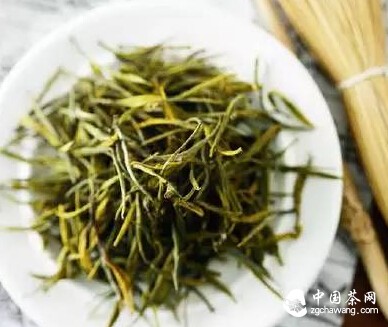
4. Does the Tea Soup Have a Layered Feeling?
The so-called layered feeling – I myself find this term quite elusive. When tea friends drink tea, especially new tea, they might not pay attention. When the tea soup enters the mouth, it might taste one way on the tip of the tongue, another way on the surface of the tongue, and different again at the root of the tongue. As the number of infusions increases, the taste of the tea soup will also change. If it's the same taste from the first sip to the bottom of the cup, from the tip of the tongue to the throat, such new tea won't have particularly outstanding performance later on. For example, upon entry, there's a clear bitterness on the tip of the tongue. After staying a while, there's a slight bitter sensation on the tongue surface. After swallowing the tea soup, there's a sweetness at the root of the tongue, and a fresh, fragrant energy overflows with breath in the throat. Recall, feel it: does the new tea you have produce this kind of feeling?
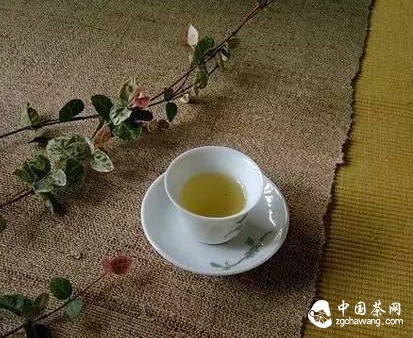
5. The Smoothness of Swallowing the Tea Soup
Don't think that only old tea has a smooth and slick tea soup taste; actually, that's not the case. The smoothness of new tea should be distinguished from that of old tea. When you drink new tea, if the tea soup enters your mouth and you instantly feel the tongue surface feels moisturized, the entire tea soup wraps the tongue, slick and lubricating, just like drinking honey water made with pure water – besides the smoothness of the water, there's more of the slickness of honey. Often, when I try new tea, the tea soup itself will skip the tip of the tongue upon entering my mouth, directly sliding to the root of the tongue and flowing into the throat, without any rough, choking, or scraping tongue sensation. Some don't do this. This is a奇妙 (wondrous) and very subtle detail. Perhaps you don't believe it, or perhaps you haven't noticed, but you can pay careful attention to it.