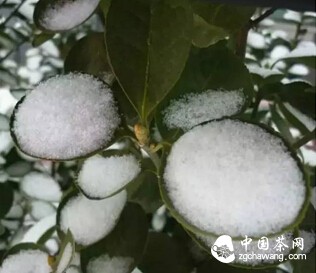
 The imagined Western Regions Snow Tea!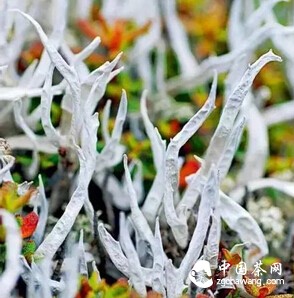
Snow
Tea
is produced on high mountains such as Yulong Snow Mountain, Yak Mountain, and Medicine Mountain at altitudes of several thousand meters. It looks like hollow grass buds, 30 to 70 mm long and 1 to 3 mm thick, extremely light in weight, resembling white chrysanthemum petals, pure white as snow, hence the name. The tea plants grow naturally in the wild and cannot be cultivated artificially. Snow Tea has a pure and refreshing taste, slightly bitter yet sweet, making it a rare health beverage. Brew a small amount with boiling water or add it to other teas for drinking. It has the effects of reducing heat, promoting fluid production, refreshing the mind, calming the nerves, lowering blood pressure, and blood lipids.
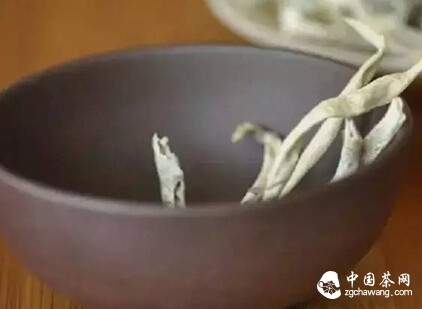
snow/tea
White Snow Tea mainly grows in snowy regions at 4,000 meters above sea level, and its quantity is quite scarce. White Snow Tea is very resistant to brewing; it can be brewed alone or used as a complementary tea. The tea liquid is golden yellow, with white strips floating up and down in the water, pleasing to the eye and stimulating the appetite. After drinking, it leaves a sweet, fragrant, and long-lasting aftertaste. It has the effects of clearing heat, relieving summer heat, promoting fluid production, quenching thirst, clearing the liver, and improving vision.
Classification: Snow Tea can be divided into White Snow Tea and Red Snow Tea based on color.
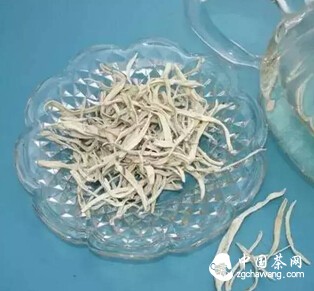
White Snow Tea
"Compendium of Materia Medica Supplements" states: Snow Tea comes from southern Yunnan, white in color, turning slightly yellow over time. When brewed in a cup, its fragrance is exceptionally superior. It resembles lotus seeds but has a jade bud color. According to records, Snow Tea is produced in Yongshan County, Yunnan, where the mountains are high and covered with snow that does not melt even in summer. What grows in the snow is not actually tea but a natural kind of grass bud. Locals harvest and roast it, and because it resembles tea, it is named accordingly. Its color is white, so it is called Snow Tea. The tea pieces are all tubular, like honey tubes or chrysanthemum petals. This tea greatly warms the stomach. For people suffering from consumptive diseases or excessive blood loss, the stomach must be cold, and they are most忌讳 to drink tea, but this tea is an exception. When brewed and consumed, it warms the abdomen, and the taste is bitter yet elegant and beautiful, thicker than other teas.
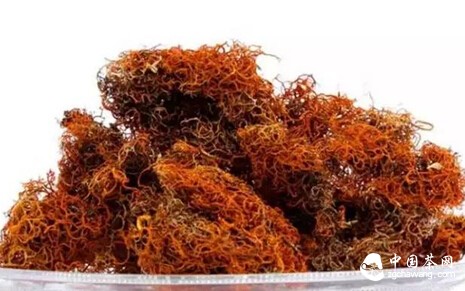
Red Snow Tea, also known as Jixin Red Snow Tea or Golden Silk Tea, is a type of lichen, a plant of the Parmeliaceae family. It mainly has the effects of clearing heat, detoxifying, and calming the nerves. This substance is not tea; it grows in deep mountain snow valleys between Tibet, Qinghai, and the Yunnan-Guizhou Plateau. After brewing with boiling water, Red Snow Tea turns bright red, like the color of red wine, with leaf bodies resembling blooming coral and a slight hidden fragrance. Tibetan medicine has used it as medicine for hundreds of years.历代 medical research shows that Red Snow Tea is rich in a large amount of essential trace elements for the human body. It has the effects of lowering blood lipids, cholesterol, clearing the heart and opening the orifices, nourishing the blood and heart, etc., and has significant effects on hypertension, coronary heart disease, obesity, neurasthenia, and physical weakness.
Finally, let's talk about the nature of Snow Tea. Which of the six major tea types does it belong to? In fact, it does not belong to any of the six major tea types; it is a "non-tea beverage."
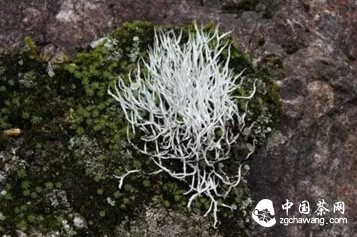
"Compendium of Materia Medica Supplements" records: "Snow Tea is not originally a tea category but a naturally occurring grass bud. Locals harvest and roast it to use as a tea substitute... When brewed and consumed, it warms the abdomen, and the taste is bitterly fragrant and beautiful." In other words, this Snow Tea is not actually tea; rather, people often use it as a substitute for tea. Over time, it has been regarded as tea, hence the name "Snow Tea."