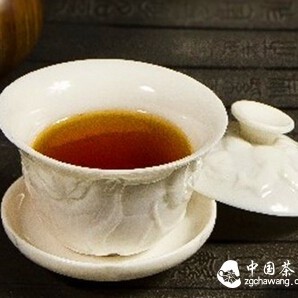
Detailed Guide to Brewing Aromatic Black Tea
Without the correct tea brewing method, even the best tea leaves cannot release their fragrance. Black tea also requires a good brewing method to bring out its rich and mellow flavor. This article introduces the steps for brewing black tea: using fresh cold water, warming the teapot, measuring the r...
Tea News · May 23, 2026
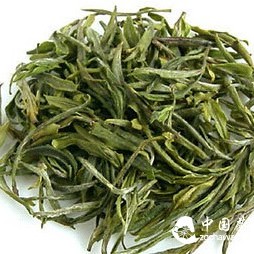
What is Yuqian Tea? Detailed Explanation of the Efficacy and Characteristics of Yuqian Tea
Yuqian Tea refers to tea leaves harvested before the Grain Rain solar term (around April 5th to 20th . While not as tender as Mingqian Tea (harvested before Qingming , the warmer pre-Grain Rain climate allows faster growth, resulting in leaves richer in internal compounds. This makes Yuqian Tea nota...
Tea News · Apr 22, 2026
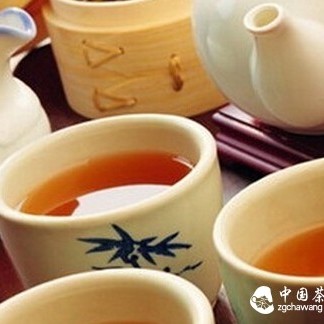
The Longer Black Tea Steeps, the More Beneficial It Is for Health
Different countries have unique interpretations of the profound tea culture. A recent article in the American magazine "Prevention" cited research suggesting that the longer black tea steeps, the more beneficial it is for health, as extended steeping allows more health-promoting flavonoids to dissol...
Tea News · Apr 22, 2026
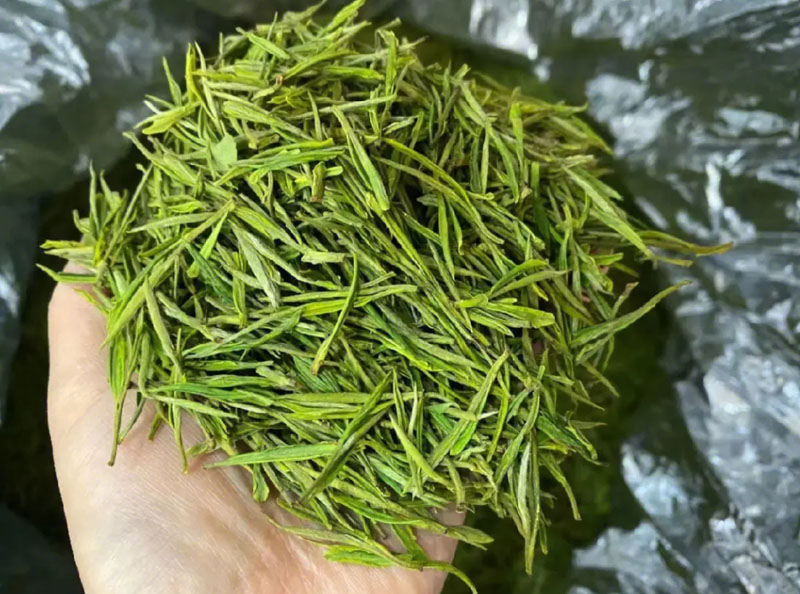
How is Pu-erh Tea Paste Produced?
In recent years, Pu-erh tea has seen a dramatic surge in value and popularity as a collector's item. At an auction in Guangdong, a mere 3-gram piece of dark purple Pu-erh tea paste sold for a staggering 12,000 yuan, stunning the tea world. This particular tea paste was once part of a collection owne...
Tea News · Apr 21, 2026
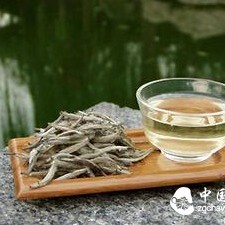
Growing Environment and Production Process of Aged White Tea
Aged white tea refers to white tea that has been stored for many years, typically within a reasonable shelf life of 10 to 20 years. During prolonged storage, the internal components of the tea leaves undergo slow transformations: aromatic compounds gradually volatilize, the liquor color turns reddis...
Tea News · Apr 19, 2026
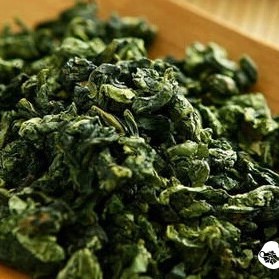
Both a Beverage and a Medicine: Exploring the Lesser-Known Marvelous Uses of Anxi Tieguanyin
Anxi Tieguanyin is renowned not only as a premium tea but also for its diverse medicinal applications. In the past, when medicines were scarce, it served as an effective remedy for various ailments. This article details several lesser-known uses of Tieguanyin, such as treating indigestion, diarrhea,...
Tea News · Apr 18, 2026
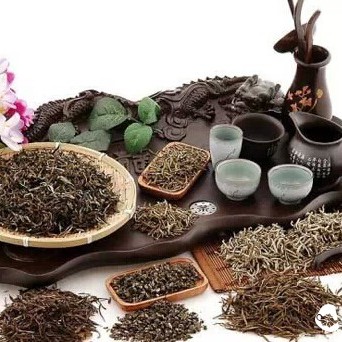
Can the Fuzz on Tea Leaves Be Drunk?
The fine hairs, or 'tea fuzz,' found on many tea leaves, especially young buds, are a natural feature often associated with quality. These hairs, rich in amino acids and aromatic compounds, contribute positively to the tea's appearance, aroma, and taste. In green teas like Biluochun, they appear whi...
Tea News · Apr 16, 2026
Why is Pu'er Tea Divided into Loose Tea and Tea Cakes?
Pu'er tea is categorized into loose tea and compressed tea cakes, a distinction rooted in history, processing, and storage. Traditionally, tea was compressed into cakes (often 357g each for easier transport via horse caravans, with seven cakes making one load. While modern technology allows for loo...
Tea News · Apr 16, 2026
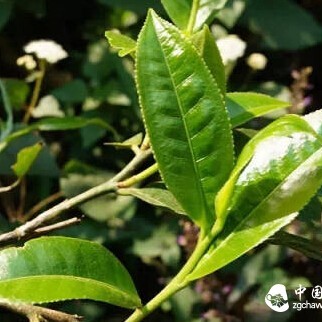
The Story of Pu-erh Tea's "Spring, Summer, Autumn, and Winter"
This article explores the adaptation of seasonal tea concepts, such as 'Spring Tea,' 'Autumn Tea,' and 'Pre-Rain Tea,' within the unique context of Yunnan's Pu-erh tea production. It clarifies that Yunnan's climate, characterized by distinct dry and rainy seasons rather than the traditional four sea...
Tea News · Apr 15, 2026
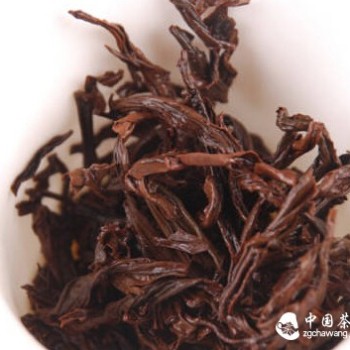
Lingering Aftertaste: Ingenious Uses for Spent Tea Leaves
After brewing, tea leaves still hold fragrance and potential. This article shares creative methods to repurpose them. Use red tea-infused water to cook rice or boil eggs for flavorful, healthy meals. Tea dregs can absorb chemical odors in new rooms, clean greasy surfaces, and deodorize refrigerators...
Tea News · Apr 15, 2026