Brewing tea in a stainless steel cup releases the heavy metal chromium
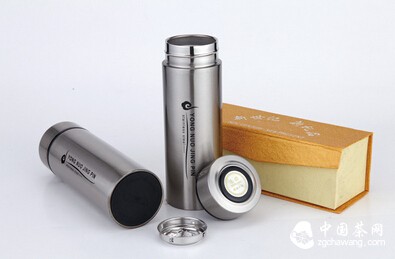
The reporter first conducted a street interview and found that many citizens use stainless steel water cups, and quite a few brew tea in them. Many citizens stated that stainless steel water cups are relatively clean and hygienic, won't break even if dropped, and are more suitable for hot drinks as the weather gets colder. But is it appropriate to brew tea in a stainless steel cup? The reporter then conducted an experiment.
The reporter first obtained a brand-new stainless steel water cup, brewed tea in it, sealed the cup, and let it sit for 72 hours. After 72 hours, the reporter opened the stainless steel cup and found that the inner wall was significantly corroded. Industry insiders have previously stated that tea contains various chemical components that can react with stainless steel water cups.
Stainless steel water cups contain chromium, a heavy metal. When the cup is corroded, the protective film is destroyed, and chromium is released. Continued use can cause harm to the human body. According to experts, chromium is a bluish-white polyvalent metal element, commonly found in forms such as divalent chromium, trivalent chromium, and hexavalent chromium. It is hard and brittle, corrosion-resistant, and thus widely used in stainless steel products.
If the human body is exposed to large amounts of trivalent chromium over a long period, it can affect the body's antioxidant system, leading to chronic oxidative diseases such as diabetes and hypertension. Additionally, damage to the antioxidant system increases the risk of tumors and other abnormal growth diseases. Compared to trivalent chromium, hexavalent chromium is more toxic, about 100 times more potent. Clinically, hexavalent chromium and its compounds harm humans in three main ways: first, by damaging the skin, causing dermatitis, pharyngitis, etc.; second, by harming the respiratory system, leading to pneumonia, tracheitis, etc.; and third, by damaging the digestive system—ingesting or long-term exposure to chromates can easily cause gastritis, gastric ulcers, and intestinal ulcers. Excessive intake of hexavalent chromium can even lead to kidney failure or cancer.
Poorer quality stainless steel products are more easily corroded
Experts explain that the quality of stainless steel water cups varies, and poorer quality cups are more easily corroded. How can ordinary people judge the quality of stainless steel products in daily life? The reporter brought three stainless steel containers from citizens' homes to the laboratory of the School of Biological Engineering at Xihua University. Experts used professional methods to verify the quality of the stainless steel products.
The experts first applied a stainless steel识别剂 (identifier) to the surface of the stainless steel products. If the identifier changes color quickly, it indicates low-quality stainless steel. Conversely, slower color change and corrosion indicate higher quality. The reporter noted that all the stainless steel products涂抹 with the identifier showed some degree of corrosion, and they could not be restored to their original state no matter how they were wiped. Clearly, this method is not suitable for ordinary households.
The experts then suggested that an ordinary magnet can also distinguish the quality of stainless steel. If a stainless steel product is highly magnetic, it is almost pure iron. Since it is iron and has a shiny appearance, it indicates that it is an electroplated product, not genuine stainless steel. Genuine stainless steel products also contain iron and have slight magnetism, but the magnetism is weak. This is partly because the iron content is low, and partly because the surface plating inhibits magnetism.
In addition, there is a simple trick to identify whether a stainless steel product is qualified. First, prepare a lemon and pour lemon juice onto the surface of the stainless steel product. After more than ten minutes, wipe off the lemon juice. If obvious marks are left on the surface, it indicates that the stainless steel product is of poor quality, prone to corrosion, and may release chromium, endangering human health.