Matcha Attitude 1: The Past Deserves Pride
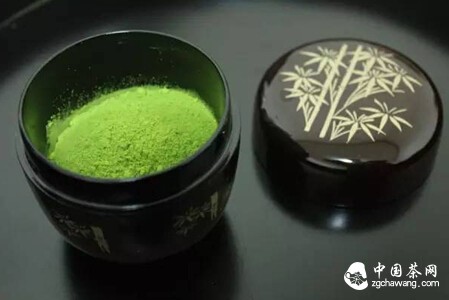
Like matcha, everyone has their own history and past. Looking back today, you should take pride in your past, whether successful or not, as every experience is a form of happiness.
Speaking of matcha's past, we must first trace the history of tea. Tea originated in China, and its popularity as a beverage likely dates back to the Later Han Dynasty.
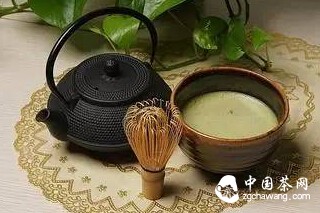
In the early Nara period (8th century), Japanese monks sent to Tang Dynasty China brought back tea seeds for cultivation, along with the temple practices of "offering tea" and "serving tea." However, tea drinking was confined to monasteries and not spread to the general public. After Lu Yu of the Tang Dynasty wrote "The Classic of Tea," tea drinking moved from monasteries to common people, giving rise to literati tea. During the Nara and Heian periods, the "ball tea" popular in Japan was a type used in Tang literati tea.
By the mid-Heian period (late 9th century), Japan abolished its missions to Tang China, and "ball tea" gradually disappeared, replaced by the "matcha"盛行 in the Song Dynasty. In the early Kamakura period (13th century), the renowned monk Eisai traveled to China twice, returning to Japan to establish tea plantations and author "Drinking Tea for Health," vigorously promoting tea's benefits for longevity and thus advancing the普及 of matcha.
Matcha Attitude 2: Charm Comes from Substance
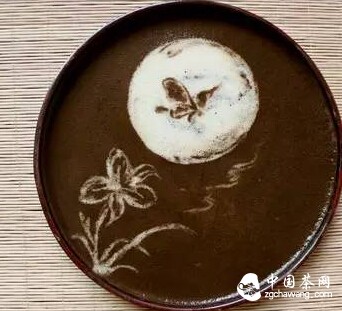
The nutritional value of matcha is like a person's cultural depth—having it, and having it abundantly, makes one charming, attractive, and enables a continuously flavorful life.
Matcha is a natural food with extremely high nutritional value, preserving over 500 components from tea leaves, including the five major nutrients: protein, fat, sugar, vitamins, and minerals. Matcha is an ultra-fine powder obtained from deep processing of tea, combining the advantages of both drinking and eating tea, with higher nutritional and health value than regular tea leaves.
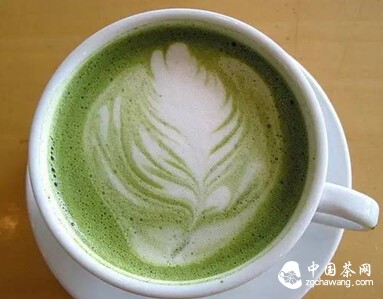
Specifically, matcha has six characteristics:
1. Ultra-fine: The median particle size of matcha is 3–10 micrometers.
2. Three Originals: Matcha retains the original color, original taste, and original quality.
3. Three Clears: Clear aroma, clear taste, with a slight grassy note.
4. Three Highs and Two Lows: High content of protein, amino acids, and chlorophyll; low content of tea polyphenols and caffeine.
5. Strong Hygroscopicity: Due to its small particle size and large specific surface area.
6. Double Green: Firstly, green in an environmental sense, aligning with eco-friendly trends; secondly, matcha itself presents a natural emerald to deep green color, offering visual appeal.
Beyond its nutritional value, matcha also boasts 23 health benefits: clearing heat and detoxifying, promoting saliva and quenching thirst, reducing fatigue, aiding digestion and cutting grease, sobering up from alcohol, diuretic and laxative, anti-tumor, lowering blood pressure, anti-radiation, improving vision and cleansing the liver, etc., making it a natural health food.
Matcha Attitude 3: Maintaining Individuality is the First Step to Independence
The complex and meticulous production process gives matcha an individuality unmatched by other teas. So should people: creative and unique self-cultivation is the first step toward independent living.
"Matcha" is made by steaming tea leaves, cooling and drying them to produce raw "tencha," which is then ground into a powder using a stone mill. The production of tencha is very particular about the quality of the raw tea leaves. Tea plantations must pay special attention to fertilizer management, using only spring tea each year. During the growth of tea buds, scaffolding must be set up and covered with straw to reduce sunlight, increasing the chlorophyll content in the leaves, giving the tea a rich green color and enhancing its sweetness.

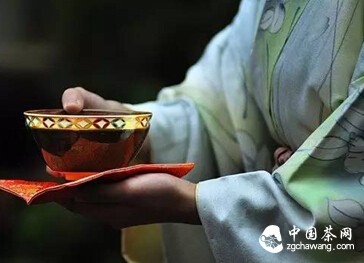
Tencha, produced through steaming and drying, is ground by a stone mill into an ultra-fine powder to become matcha, with an average particle size of 3 micrometers. It can suspend in hot water without settling, allowing it to be whisked with a chasen (bamboo whisk) in the tea ceremony, presenting a vibrant green tea soup that remains without water marks (no sedimentation) even after standing.
Currently, Japan is the only country producing matcha. Matcha is extremely high-priced; while general teas (sencha, gyokuro, etc.) in Japan are priced per hundred grams, matcha is priced per ten grams.
Matcha Attitude 4:懂得奉献,才能成就自我 (Understanding Dedication to Achieve Self-Fulfillment)
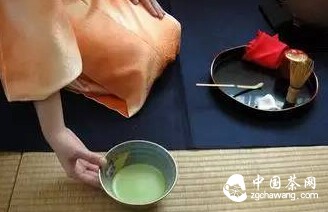
Matcha can be brewed with water for a unique flavor, or it can blend with other delicacies to become part of richer dishes. Similarly, each of us can contribute something of ourselves, combining with others to form a richer whole.
The method of preparing pure matcha involves grinding refined tea leaves into a powder with a mortar, then adding water and whisking with a chasen before drinking. This method offers both nutrition and品味. Since the tea is completely integrated with water, equivalent to consuming the whole tea leaves, one can absorb all the nutritional components of the tea. If this seems too plain, there are many ways to make matcha more diverse and colorful.
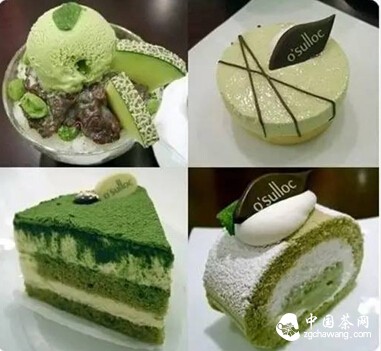
Matcha ice cream: refreshing ice cream enhanced with matcha, filling the mouth with cool, creamy tea aroma. If desired, red beans or mixed fruits can be added.
Matcha cake: sweet cakes can incorporate matcha in two ways—mixing matcha into the flour, blending the flavors of cream, egg, and matcha into one; or sprinkling matcha on top after the cake is made, seeking the tea aroma on the cake's undulating surface with each bite.
There's also matcha lasagna, matcha coffee, matcha...只要你能想得到,抹茶就愿意奉献出自己,成就更诱人的美味 (As long as you can imagine it, matcha is willing to dedicate itself to create even more enticing delicacies).