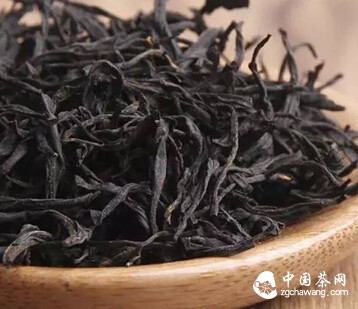
The most iconic black tea of the Republican era—Jiuqu Hongmei. Jiuqu Hongmei was a famous tea during the Republican period. At that time, it was equally renowned as Qimen Black Tea and Zhengshan Xiaozhong, and was a "standard fixture" in teahouses across the country, especially popular in Shandong, Tianjin, and Northeast China.
Jiuqu Hongmei, abbreviated as "Jiuqu Hong" and also known as "Jiuqu Oolong," is named for its red color and plum-like fragrance. It is the only black tea among Zhejiang's famous teas and is praised by tea scholars as "a touch of red in a sea of green" in Zhejiang's tea region. This tea won a gold medal at the 1915 Panama International Exposition and was recognized as one of China's top ten famous teas at the 1929 West Lake Expo.
Cultural Heritage
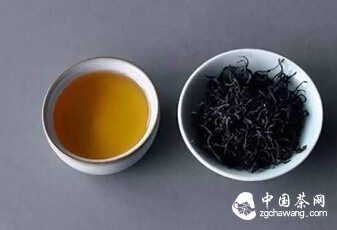
Since its creation, "Jiuqu Hongmei" has been deeply intertwined with tea culture. Li Shutong once described its charm with the verse: "The color of agate in a white jade cup, the fragrance of plum blossoms beneath red lips."
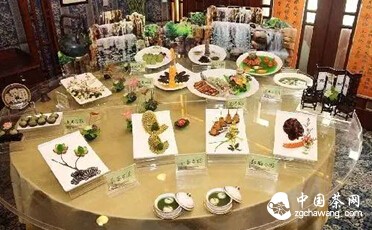
To this day, Hangzhou's tea art includes a dedicated set of "Jiuqu Hongmei" tea ceremony and utensils. The famous "West Lake Tea Banquet" consists of four teas (Longjing Tea, Dahongpao, Jiuqu Hongmei, and Pu'er Tea), ranging from green tea to semi-fermented tea to black tea, with Jiuqu Hongmei listed as the first black tea. Until the founding of the People's Republic of China, tea merchants across Jiangsu, Zhejiang, and Shanghai took pride in selling this tea, eagerly entering the mountains each tea season to purchase it at high prices.
The tea's region of origin also maintains a traditional "Jiuqu Hongmei" tea competition custom, held every two years. According to local customs, during weddings, "Jiuqu Hongmei" is placed at the bottom of dowry boxes and under beds, symbolizing a "prosperous and fiery" married life. Many local folk songs and rhymes also feature content related to "Jiuqu Hongmei."
Origin

It is produced in Zhoupu (now Shuangpu Town) in the West Lake District of Hangzhou, Zhejiang, with the tea from Dawu Mountain in Hupu being particularly exceptional. The Dawu Basin is surrounded by mountains, lush with bamboo and trees, sheltered from the wind and facing the sun, often shrouded in clouds and mist. The warm, humid, and foggy climate is ideal for tea growth. The sandy soil is deep, fertile, well-aerated, with a pH around 5. The unique geography, climate, and ecological environment are highly conducive to the growth of tea leaves and the formation and accumulation of nitrogen compounds, amino acids, proteins, and aromatic substances.
The harvesting of "Jiuqu Hongmei" black tea is highly seasonal. It must be picked promptly while ensuring quality, meaning the buds and leaves are whole, uniform in size, and free from old leaves, hard stems, extra buds, and impurities.
Characteristics

Jiuqu Hongmei is renowned for its "fishhook-like shape, dark glossy appearance, bright red liquor, and plum-like fragrance."
The dry tea leaves are curved, tightly fine like fishhooks or silkworm ants, with buds and leaves about 12 mm long. The strands are tightly knit, often covered with white tips, and have a dark, glossy color.
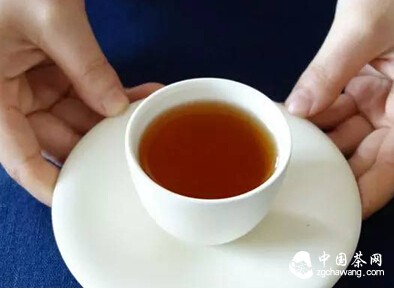
The color of agate in a white jade cup. When brewed with Ling Mountain spring water, the tea liquor appears bright red, like red plums in water.
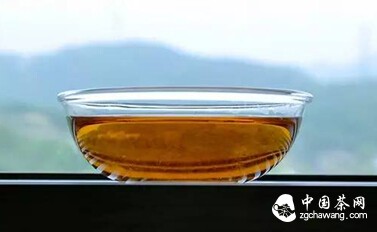
The fragrance of plum blossoms beneath red lips. The taste is refreshing and sweet, with a warm, sweet aroma. Its quality rivals that of the famous Qimen Black Tea.
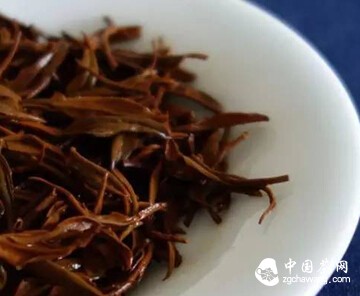
The brewed leaves are vibrant, red, and bloomed, with complete buds and leaves, soft and glossy, leaving a lingering fragrance at the bottom of the cup.
Brewing
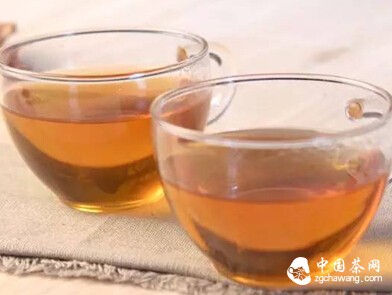
Legend has it that when Jiuqu Hongmei is brewed with boiling water, the tea leaves unfurl, stretching and curling like small fish swimming up and down in the water. Then, the liquor turns bright red, emitting a rich, captivating aroma. The tea leaves look like red plum blossoms in the water, dazzling and pleasing to the eye.
To brew Jiuqu Hongmei, you can use a white porcelain lidded bowl or a glass cup.
Use about 4g of tea leaves, bring water to a boil, and adjust the steeping time according to personal preference.
When using a lidded bowl, the steeping time is generally around 20-30 seconds.
When using a glass cup, the tea-to-water ratio is about 1:50, and the steeping time is approximately 3 minutes.