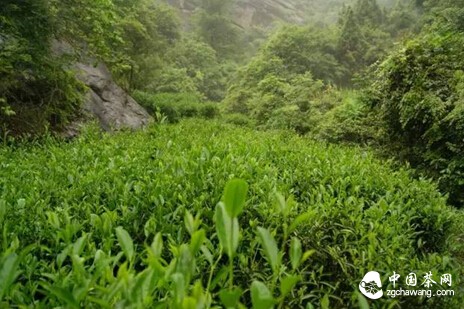
New tea should be stored for a period before drinking
Yueyue: Every spring, when new tea hits the market, many tea enthusiasts are eager to taste it early. This is because most people believe that new tea excels in shape, color, and flavor, making it a delightful experience, whereas older tea brews into a stronger color and taste. Therefore, many prefer to choose new tea leaves when selecting tea. However, I’ve also heard that drinking new tea isn’t good. Professor Wu, what do you think?
Generally, new tea is richer in nutrients because tea plants rest during autumn and winter and absorb ample nutrients from nature during spring’s moderate temperatures and abundant rainfall. Moreover, new tea indeed has a more intense aroma, but frequent consumption can be harmful to health.
New tea contains polyphenols, alcohols, and other beneficial substances that haven’t fully oxidized, while caffeine, active alkaloids, and various aromatic compounds are present in high levels. These can easily stimulate the nervous system, adversely affecting individuals with neurasthenia or cardiovascular diseases, leading to symptoms like insomnia, headaches, fatigue, sweating, and frequent urination. Additionally, regular consumption of new tea may cause stomach pain or constipation.
Thus, drinking freshly made new tea immediately can have side effects; it is better to store it for a while before consumption.
Excessive consumption of green tea may cause cancer
Green tea has certain cancer-preventing properties due to its richness in a polyphenol called catechin. However, even good things should not be overconsumed, as going to extremes can lead to opposite results. Studies have found that excessive intake of catechins can damage human genes and potentially induce cancer, illustrating the principle of "extremes meet."
Green tea is rich in various nutrients, and regular consumption can indeed benefit health, but moderation is key. Three cups a day are sufficient—do not overindulge.
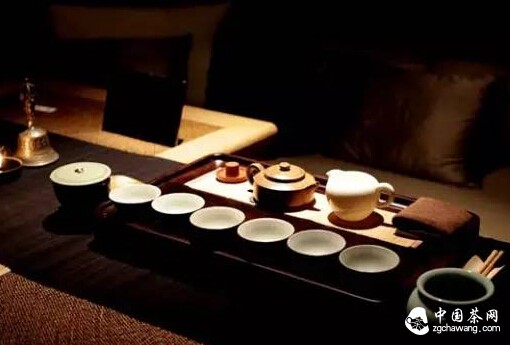
Precautions for drinking kuding tea
Kuding tea contains essential amino acids, vitamins, and trace elements like zinc, manganese, and rubidium, with very noticeable medicinal effects. Traditional Chinese medicine believes it disperses wind heat, clears the head and eyes, and relieves thirst, used to treat headaches, toothaches, and red eyes. Modern pharmacological studies show that kuding tea also lowers blood lipids, increases coronary blood flow, enhances myocardial blood supply, and resists atherosclerosis, effectively preventing symptoms like dizziness, headaches, chest tightness, fatigue, and insomnia in patients with cardiovascular diseases, making it highly favored among middle-aged and elderly people. However, kuding tea is not suitable for everyone, a point often overlooked.
The following groups should be cautious when drinking kuding tea:
1. Those with wind-cold colds
Individuals with wind-cold colds should consume warm foods like ginger to dispel cold from the body. Drinking kuding tea at this time may hinder the dispersion of cold and impede recovery.
2. Those with deficient-cold constitution
People with deficient-cold constitution are particularly afraid of cold in winter and often experience cold hands and feet. They prefer warm foods like mutton and dog meat and are less prone to "heatiness." Drinking cold-natured kuding tea can worsen cold limbs and is detrimental to improving deficient-cold constitution, potentially causing abdominal pain or diarrhea.
3. Patients with chronic gastroenteritis
Patients with chronic gastroenteritis often have varying degrees of spleen and stomach deficiency cold. When exposed to cold or consuming cold foods, they easily experience abdominal pain or diarrhea. Drinking kuding tea can aggravate these symptoms. Additionally, the elderly have relatively weak spleen and stomach functions, and infants have underdeveloped systems, making them unsuitable for kuding tea consumption, as it may lead to indigestion, loss of appetite, or diarrhea.
4. Women during menstruation
During menstruation, women are in a state of blood loss with reduced resistance. Drinking cold-natured kuding tea can easily cause blood stagnation due to cold, leading to difficult menstrual discharge, dysmenorrhea, or even irregular menstruation. Women who frequently experience dysmenorrhea should avoid kuding tea even outside their menstrual period.
5. New mothers
New mothers are physically weak after childbirth and should consume warm, nourishing foods. Cold-natured kuding tea is not conducive to uterine recovery and can harm the spleen and stomach, potentially causing persistent abdominal cold pain.