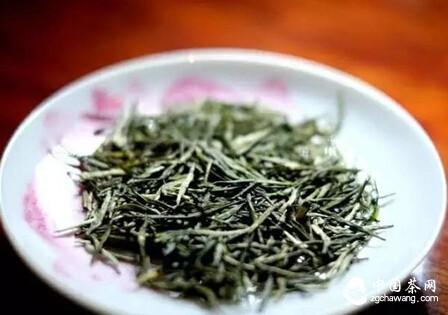
Enshi Yulu tea is currently the only type of needle-shaped green tea in China that is preserved using steam killing-green technique. This production process is listed in the National Intangible Cultural Heritage Protection Directory.
As early as the Qing Dynasty, Enshi Yulu was listed as a famous tea of the Qing Dynasty alongside West Lake Longjing and Huangshan Maofeng. In the 1960s, it was selected as one of China's Top Ten Famous Teas.
The Name "Yulu"
Enshi Yulu originated in the current Bajiao Township area of Enshi City. It is said that during the Kangxi period of the Qing Dynasty, a tea merchant named Lan in Huanglianxi, Bajiao, Enshi, built a stove to develop tea. The produced tea leaves were tightly round, firm, green in color, and had white fuzz as white as jade, hence the name "Yulu" (Jade Green).
By the late Qing Dynasty to the early Republic of China, it was a period of prosperity for tea development. In 1936, Yang Runzhi, a tea official from Hubei Minsheng Company, changed the pan-frying killing-green method to steam killing-green. The tea not only had a green-bright soup color and leaves, a fresh and fragrant taste, but also had a glossy emerald green appearance with fuzz as white as jade, particularly revealing, so it was renamed "Yulu" (Jade Dew). In 1945, it was exported to Japan, and from then on, "Enshi Yulu" became famous worldwide.
Origin of Enshi Yulu
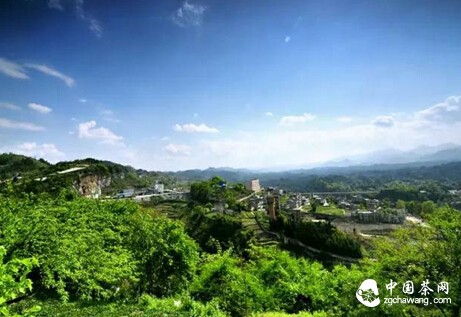
Enshi Yulu is produced in the World Selenium Capital—Enshi, Hubei. Its production process and tools used are quite ancient, very similar to those recorded in Lu Yu's "Classic of Tea." Japan's imitation of China's tea-making methods still includes the steam killing-green method of Enshi Yulu tea to this day.
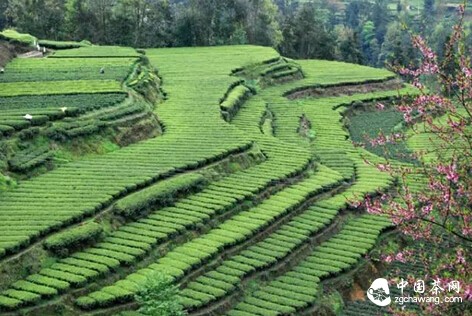
In the eastern suburbs of Enshi City, Hubei Province, five majestic and unique peaks rise together by the river. This is Wufeng Mountain, the main production area of Enshi Yulu. The climate here is mild, with abundant rainfall, and shrouded in clouds and mist morning and night. The foot of the mountain is surrounded by the滔滔 Tao Tao Qing River; the slopes are gentle and garden-like, the valleys are flat and broad, with sandy loam soil that is deep and fertile. The excellent ecological environment not only promotes the robust growth of tea trees but also makes their metabolism vigorous, particularly rich in chlorophyll, protein, amino acids, and aromatic substances, making it high-quality raw material for producing Yulu tea with excellent color, aroma, taste, and shape.
Enshi Yulu Process
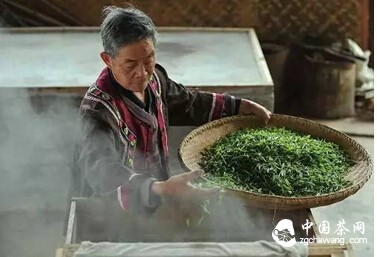
The production process of "Enshi Yulu" originated in the Tang Dynasty and was created in the Qing Dynasty.
The killing-green of Enshi Yulu continues to use the steam killing-green method from China's Tang Dynasty. During production, fresh leaves with one bud and one leaf, uniform size, short internodes and dense leaves, long buds and small leaves, and a rich green color are used as raw materials. The processing steps include steam killing-green, fan cooling, first roasting, rolling, second roasting, shaping and polishing, baking, and sorting.
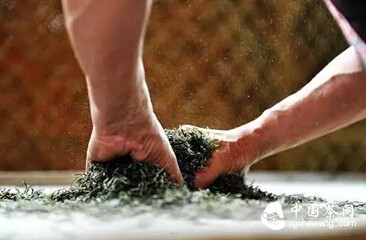
Among them, the most critical step is the "shaping and polishing" process, which takes about 70 to 80 minutes. This is also the reason why Enshi Yulu tea is smooth and glossy, straight and tight, with a clear and bright soup color, and a high fragrance and mellow taste.
Enshi Yulu Characteristics
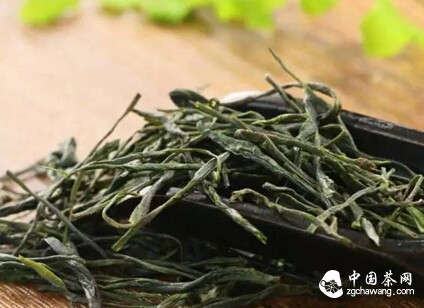
Enshi Yulu has an appearance with exposed white fuzz, a苍翠 lush emerald green color, tight, round, smooth, slender, and straight strips, shaped like pine needles. It is somewhat similar to Huangshan Maofeng, but the strips are tighter and more slender than Huangshan Maofeng. Its dry tea has a long-lasting aroma, a strong bean fragrance accompanied by a light fresh fragrance (slightly green note).
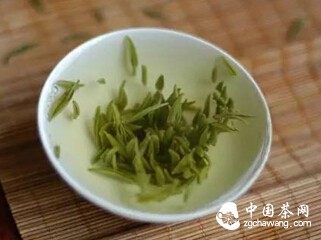
After brewing, the buds and leaves reopen as if alive, initially like a graceful young girl suspended in the cup, then settling at the bottom of the cup, lying flat and complete.

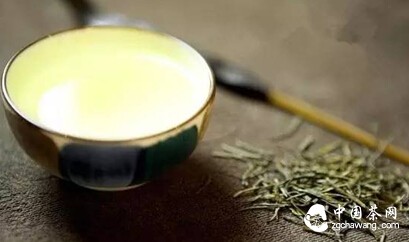
The soup color is tender green and bright, resembling jade dew. The aroma is refreshing, and the taste is mellow. The brewed leaves are tender green and evenly whole.
Enshi Yulu Brewing

The water temperature for brewing Enshi Yulu is lower than that for other green teas, generally 85 degrees Celsius is sufficient. Some high-end Yulu teas in Japan are brewed at water temperatures as low as 50 degrees Celsius. Remember not to use boiling water for brewing.
Use an ordinary glass cup for tea utensils; it is not suitable to use a pot or a lidded bowl for brewing as it can stew the tea.
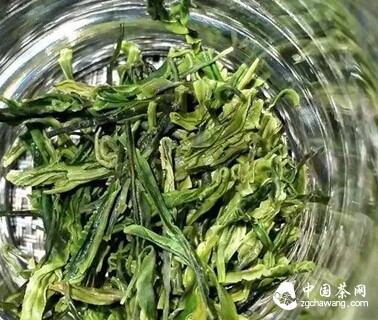
Only by using a slightly lower water temperature can the brewed Yulu have a clear soup and green water, a fresh and long fragrance. Boiling water will scorch the buds and leaves, and the tea will not be fragrant.
The water temperature, time, and method of brewing vary depending on the tenderness of the leaves. Slight deviations during brewing can easily make the tea leaves old and stewed, resulting in a turbid tea soup and a dull aroma.